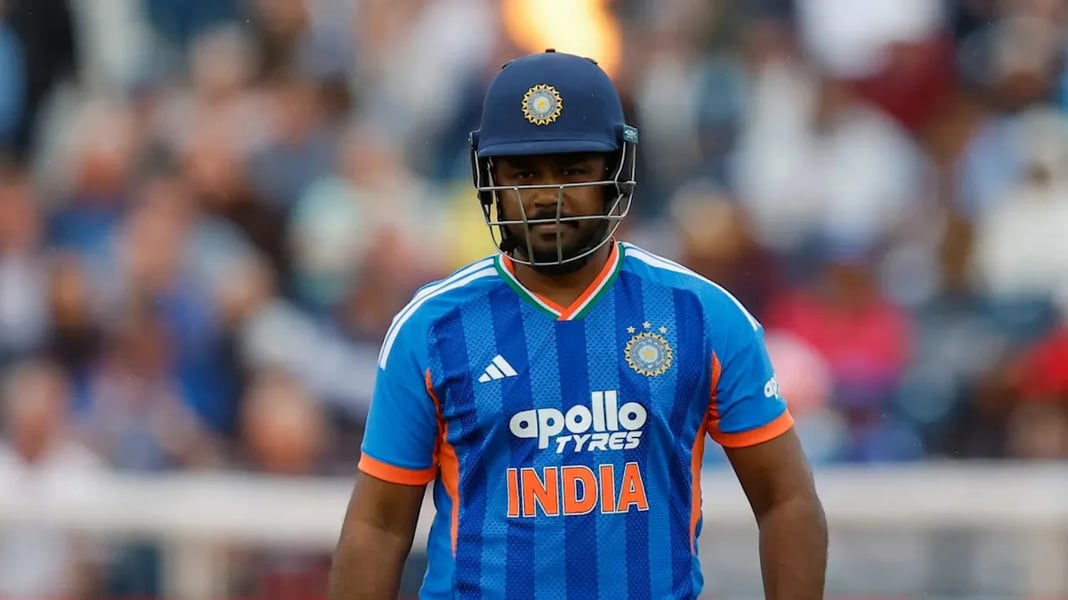

NEW DELHI — Vaibhav Sooryavanshi did not bowl. He did not bat. He did not field. The 18-year-old who built an IPL season that scouts are still trying to explain: 776 runs, a strike rate of 237.30, the Orange Cap in one of the most contested batting environments in cricket. He sat in the dugout at Arun Jaitley Stadium and watched India beat Afghanistan by seven wickets in the series opener on Saturday night.
No one could say there was anything wrong with the result. Abhishek Sharma walked out to open and hit the next four overs out of shape; his 82 off 32 deliveries made the 157-run chase look like an administrative task. But Sooryavanshi’s absence was the first thing Shreyas Iyer was asked about when he stood at the toss before Game One.
“If Vaibhav is not playing,” Iyer said, with the unhurried precision of someone who had run this calculation many times before, “then Washington is not playing and two more.” A combination call, nothing surgical about it. No injury. No form concern. Just the arithmetic of fitting an 18-year-old with a 237.30 strike rate into a batting line-up that does not have an obvious vacancy for him. The question hovering over the second T20I at Arun Jaitley Stadium on Monday evening is whether India decide his moment has arrived.
The series has three games in six days: September 15 and September 17, both at this ground in the capital. Beyond the bilateral result there is a harder calculation in play. The Asian Games men’s cricket event begins September 24 in Japan, where India will defend the gold medal they won three years ago. The squad confirmed for this Delhi assignment carries players who know they are being evaluated against a deadline.
Afghanistan gave India a genuine target in the first match. Their 156 for eight is a total that wins T20Is at this venue in most seasons; the problem was the opening that India’s batters found. Abhishek Sharma found his rhythm inside the first three deliveries and never surrendered it. Seven fours, seven sixes, 82 off 32; by the time he was dismissed, the match was already a formality. His partnership with Ishan Kishan produced 121 runs off 69 balls, consuming the first eleven overs and the entire Afghan bowling plan. India’s seven-wicket victory in the series opener was built on that stand before the chase was even half complete.
Azmatullah Omarzai held Afghanistan’s innings together almost entirely by himself. His 64 off 43 deliveries came after Jasprit Bumrah removed Ibrahim Zadran in the very first over, dismissing the ICC’s current top-ranked T20I batter before he could set a platform. Mohammad Nabi contributed 33 in the middle overs, but the innings had a reactive quality to it rather than a constructive one. Bumrah’s opening-over wicket set a ceiling on what Afghanistan could build, and they never fully climbed past it.
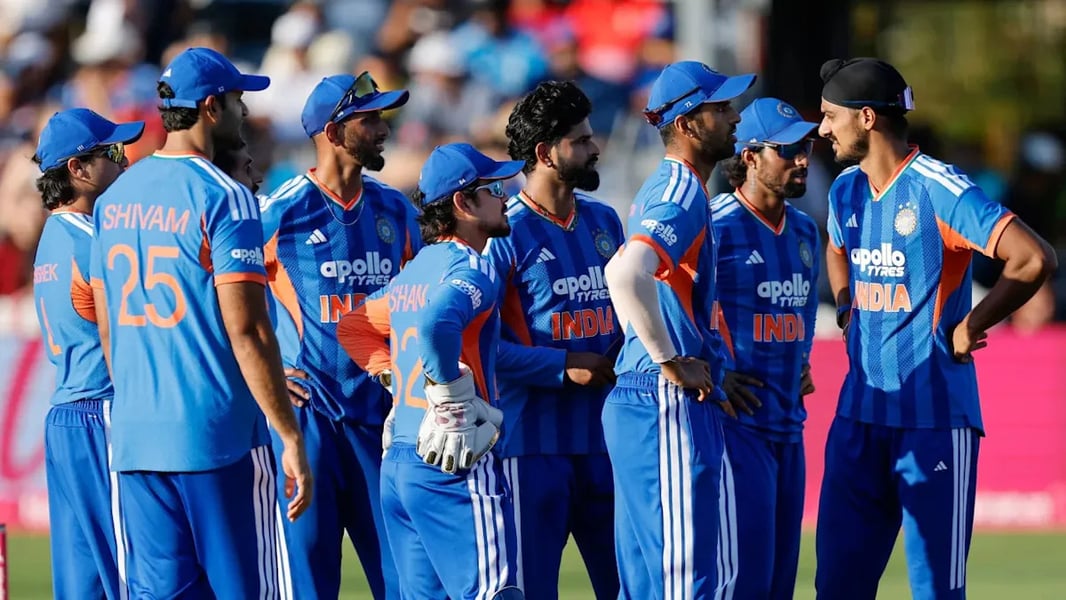
The Sooryavanshi question will not dissolve between matches on its own. He scored a fifty in eighteen balls against Zimbabwe earlier this year, the youngest player in men’s T20 international cricket to reach that benchmark. He was Player of the Series in that bilateral. His debut came against England in July. The IPL 2026 Orange Cap sits above a statistical line that looks increasingly implausible the more you stare at it: 776 runs, 16 innings, a strike rate of 237.30.
Iyer’s combination logic is genuinely what it appears to be: fitting Sooryavanshi into the top order means removing someone else, and that creates a downstream adjustment across the batting and bowling balance. The eleven that dismantled Afghanistan on Saturday carried a structure that needed no revision by the fourteenth over. The eleven that takes the field on Monday may not need to change at all.
If India maintain their combination, Sooryavanshi watches a second time. If they rotate, his entry into this series comes in front of a Delhi crowd that already knows his IPL innings by the numbers. Either outcome produces a story. India’s recent cricket calendar has been built around constant evaluation, and these three T20Is in Delhi are no different. The Asian Games selection looming in the next ten days only tightens the frame.
For Afghanistan, the adjustment between games will be largely about Rashid Khan. He is the one variable in their bowling group that no batting line-up fully plans against, the one name who can make a 170 feel exposed regardless of what the match situation appeared to be three overs earlier. On a Delhi surface with some low bounce and variable pace, he becomes more difficult rather than less when conditions offer him a degree of help.
The pitch in the first match played slower than the totals suggested. If Game Two holds similar conditions, Rashid becomes a genuine threat to India’s middle order. Sanju Samson and Iyer himself would need to read his variations more carefully than the first-match conditions demanded of Abhishek and Kishan. Yahoo Sports’ series guide flagged Rashid as the key variable across all three matches.
The 2nd T20I starts at 7 pm local time. The toss will answer the only question that has mattered since Saturday night.