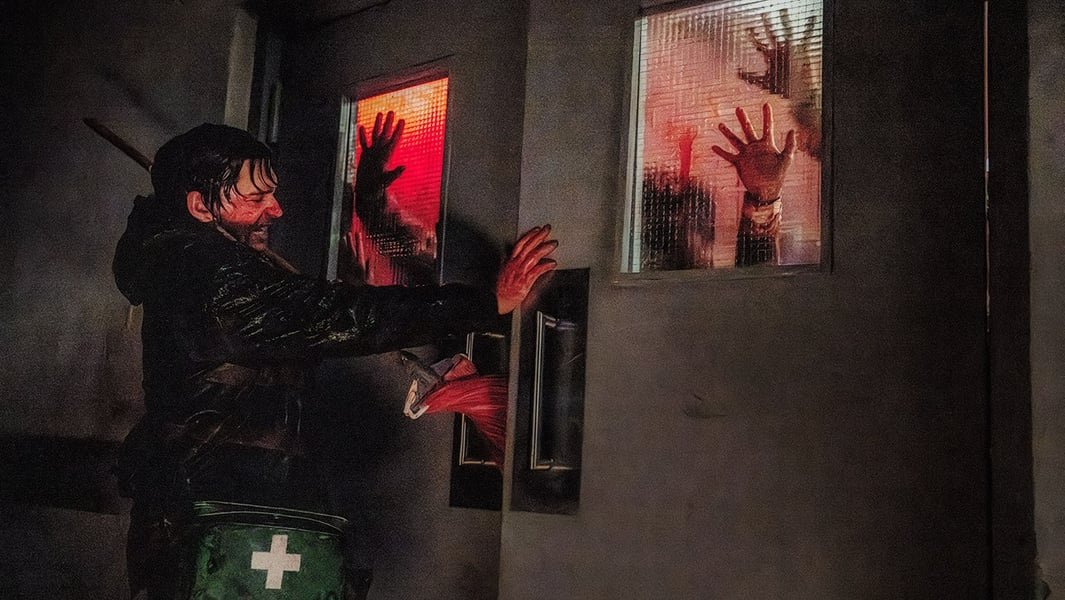

LOS ANGELES — Austin Abrams spent much of Resident Evil looking terrified. It turned out to be the right instinct for everyone involved.
Zach Cregger’s reboot of the Capcom franchise opened to an estimated $55 million in North America this weekend, setting a franchise record. No previous Resident Evil film had reached that figure during the property’s 24-year theatrical history.
Thursday previews brought in $8.8 million, also a franchise high for a single night. By Saturday morning, it was clear that Sony Pictures had made the right call by entrusting $80 million and a once-dormant commercial property to a horror auteur—one that last generated serious theatrical revenue when Milla Jovovich was still punching zombies.
The global haul is tracking toward $80 million for the three-day frame, which would set another franchise record. For context, the entire domestic run of Resident Evil: The Final Chapter in 2017 was $26.2 million.
The number that matters most to Sony’s theatrical division is not the weekend total but the CinemaScore: B+, paired with a 91% audience score on Rotten Tomatoes and 96% from critics. That combination of strong critical reception and genuine audience enthusiasm is the signature of a film with legs, not a front-loaded opening-night horror event. Cregger’s Weapons posted a $43.5 million career-best domestically in 2025. This one tops it before Monday’s adjusted numbers land.
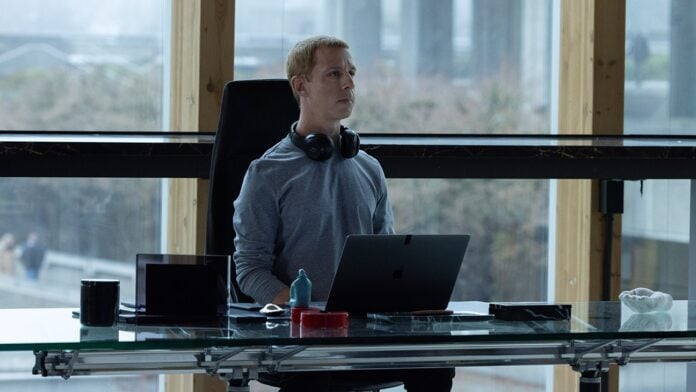
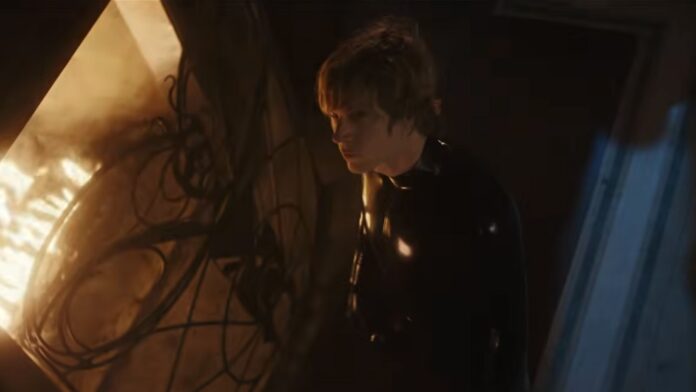
What changed between the franchise’s last theatrical entry and this one is not the source material. Resident Evil has always involved a medical emergency in Raccoon City, mutated creatures, and a corporate biotech conspiracy. Cregger and co-writer Shay Hatten stripped the mythology to its operational core: a 94-minute thriller set almost entirely across a single night, following Bryan, a medical courier played by Abrams, who finds himself inside the outbreak rather than outside it. Paul Walter Hauser, Kali Reis, Johnno Wilson, and Zach Cherry are deployed in roles that recall the ensemble logic of John Carpenter more than the kinetic video game adaptation playbook. No slow-motion martial arts. No franchise-expanding mid-credits teaser for a property that hadn’t proven itself yet.
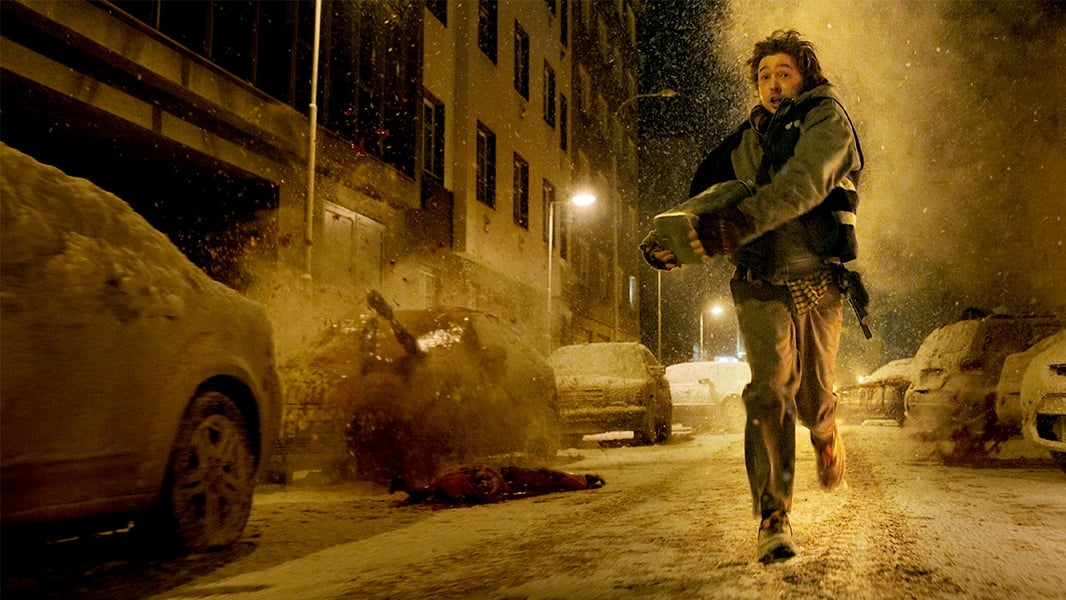
Cregger is that filmmaker. He described the project in a pre-release interview with The Hollywood Reporter as “the first Resident Evil film that I felt needed to exist,” a phrase that carries more industry weight coming from the director of Barbarian than it would from a director-for-hire. Sony gave him final cut. The result is the franchise’s first certified fresh film in its history, and the most competitive fall domestic box office weekend in recent memory, a frame that also included strong holdover business from Practical Magic 2.
Whether that translates into a sequel is not yet confirmed. Cregger has not publicly signed on for a third reboot entry, and Sony’s development timeline for what would effectively become Resident Evil 3 remains internal. The studio has strong incentives. A Cregger-led franchise, with the trust of genre audiences now established, is a more valuable property than the version Sony owned 18 months ago.
The weekend adds an industry footnote that Hollywood will be discussing for some time. Abrams, who plays Bryan in the film, spent the previous two weeks as the lead of Widow’s Bay on Apple TV+, which won Outstanding Comedy Series at the 78th Emmy Awards on September 14. That two-week window, from Emmy winner to franchise box office record, represents an unusually compressed peak for an actor whose feature credits were, until this fall, primarily ensemble supporting work.
Cregger, meanwhile, was already in early development on Siren Head at Warner Bros., the horror project he announced in July with collaborator Brian Duffield. That film was greenlit before the Resident Evil numbers landed. It will be greenlit more easily now.
Horror’s current run on legacy IP carries a shared production logic: find the genre filmmaker with genuine creative authority and remove the committee. Crystal Lake, Siren Head, and now a Resident Evil reboot carrying franchise records all operate on that premise. The results are not always $55 million opening weekends, but they are rarely Borderlands.
What Cregger does with the leverage this opening provides, and whether Sony moves fast enough to secure him for what comes next, is the question Raccoon City has left open.