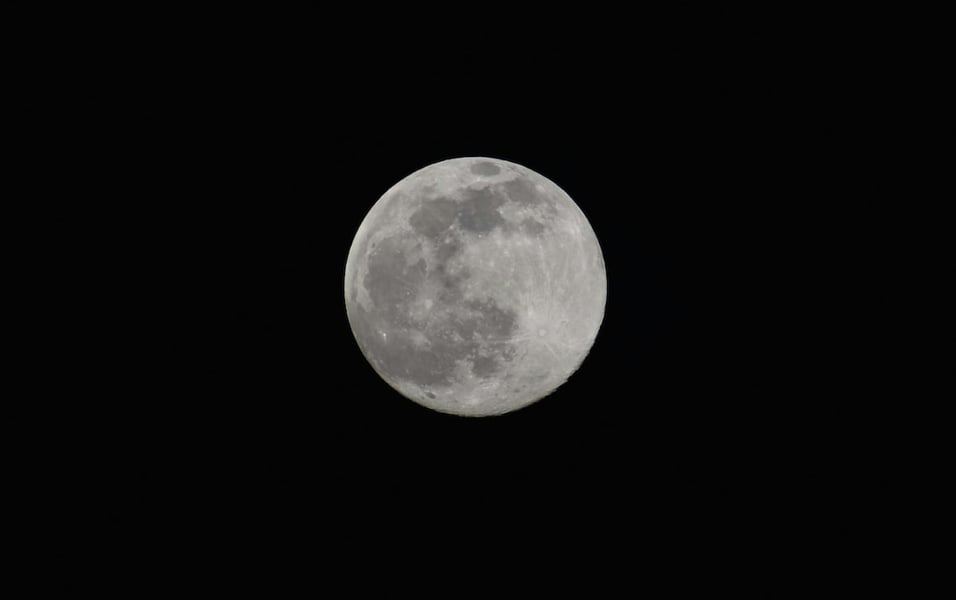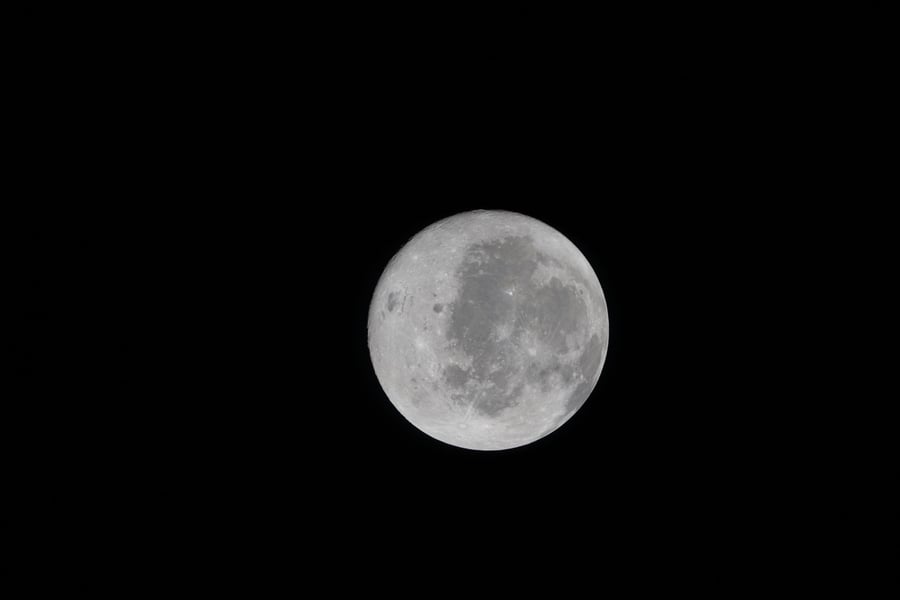

Look east around 5 p.m. today and you will already see it: a moon that is not quite full but getting there, bright enough to cast a faint shadow and fat enough to stop the eye. Tonight’s moon is at 75 percent illumination, risen before sunset and staying up past midnight, filling the hours between twilight and dawn with enough reflected light to walk by. The Harvest Moon is five days away.
The moon is in its Waxing Gibbous phase on September 21, 2026 — the second-to-last phase before full. Waxing means growing; gibbous means the illuminated portion is greater than half the lunar disk but not yet the whole of it. The moon is 9.89 days old today, measuring from the New Moon on September 11. According to NASA’s Moon Phases guide, it will rise at 4:37 p.m. Eastern time and set at 1:18 a.m. the following morning, meaning it is visible for much of the evening and well into the night.
Moonrise timing is shifting noticeably this week. The Waxing Gibbous rises later each afternoon than it did the day before, but the change is more gradual than usual. That is a Harvest Moon effect arriving early: as the full moon approaches the autumnal equinox, the angle of the moon’s orbit to the horizon flattens, and successive moonrises happen only 20 to 30 minutes apart rather than the standard 50. The result is an extended run of bright evenings.
The autumnal equinox itself falls tomorrow, September 22, at 8:05 p.m. Eastern time. On that date, the center of the Sun crosses the celestial equator moving southward, and day and night are within minutes of equal length across much of the planet. The September equinox marks the astronomical start of fall in the Northern Hemisphere and spring in the Southern. The first day of fall and the approaching full moon have arrived together.
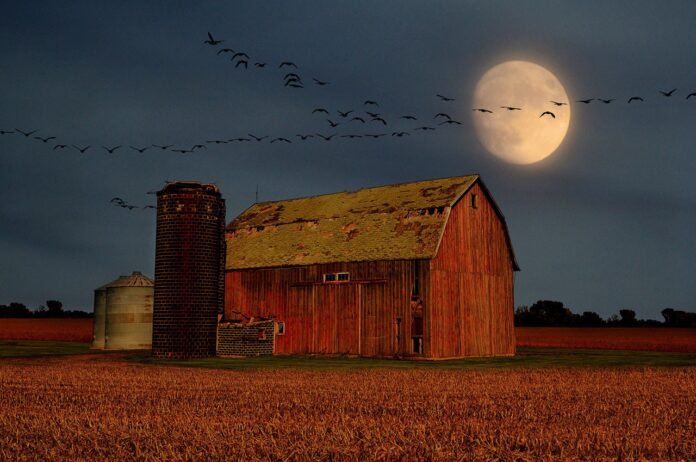
The Full Moon on September 26 at 12:49 p.m. Eastern will carry the name Harvest Moon — the traditional designation for the full moon nearest the autumnal equinox. The name does not belong to September alone; in years when October’s full moon falls closer to the equinox, that moon inherits the name instead. This year, September’s wins by several days. The Harvest Moon rises close to sunset for three or four consecutive evenings around the 26th, giving observers the longest run of sustained moonlight of the year. It will appear near Saturn and Neptune in Aquarius.
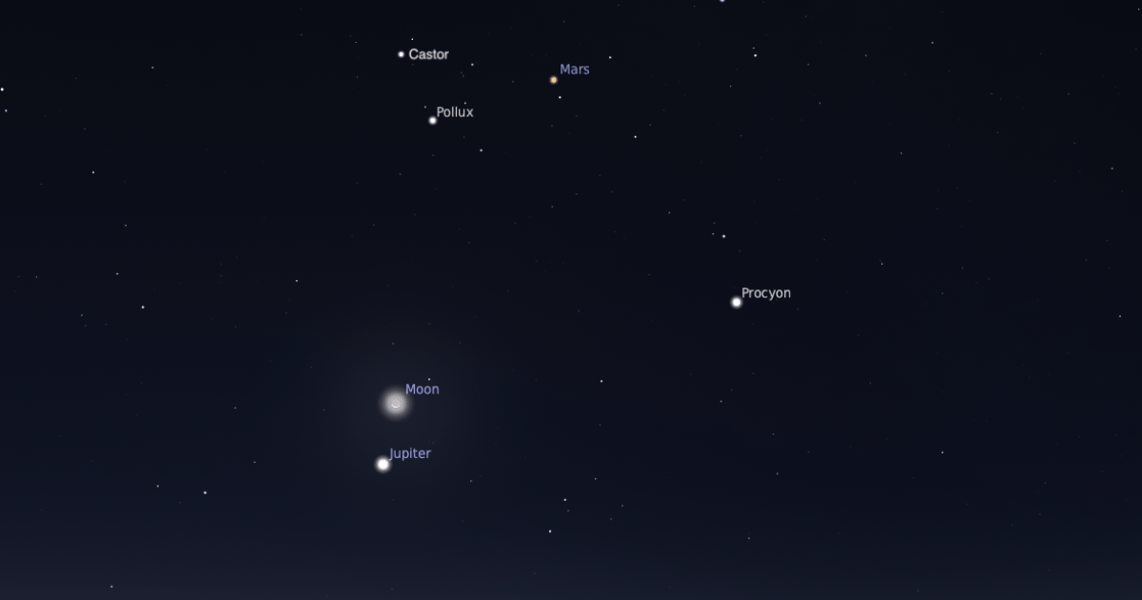
The night sky around tonight’s Waxing Gibbous offers more than the moon alone. Venus, which reached its peak brilliance for this evening appearance on September 18, still blazes in the western sky after sunset as the brightest object after the Sun and Moon. Jupiter is brightening steadily in the east, dominating the later evening hours. Saturn has been a reliable presence in Aquarius all month; a modest telescope will resolve its rings easily on any clear night.
NASA’s Jet Propulsion Laboratory produces monthly skywatching guides that track these objects against the lunar cycle. For September 2026, JPL recommends using the shifting position of the moon in the evenings to locate Antares and the Teapot asterism in Sagittarius — two markers that will be harder to find once the Harvest Moon’s brightness washes out dimmer stars later in the week.
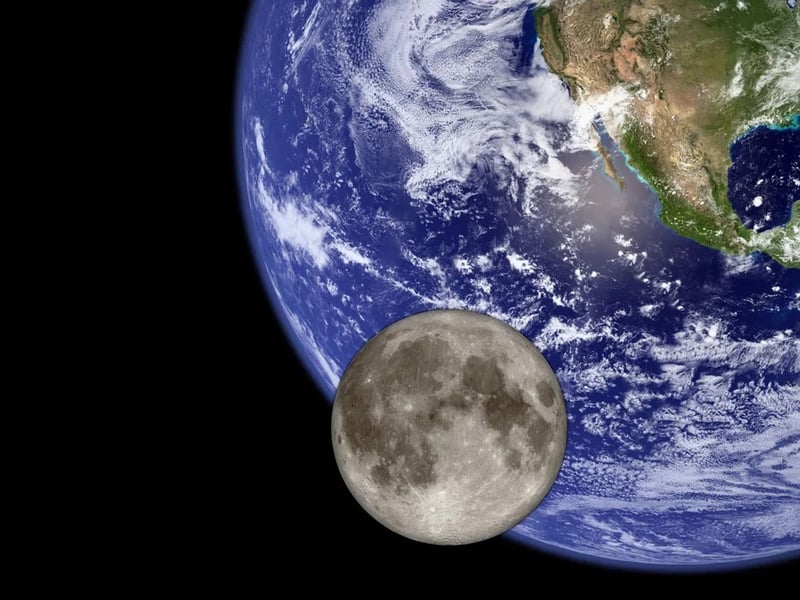
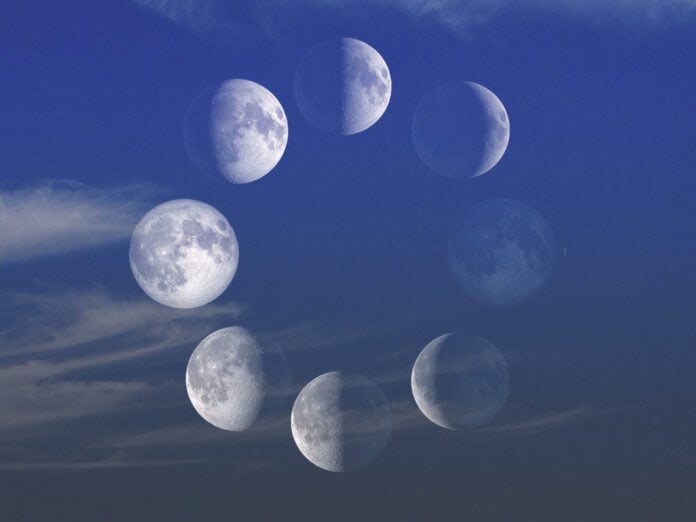
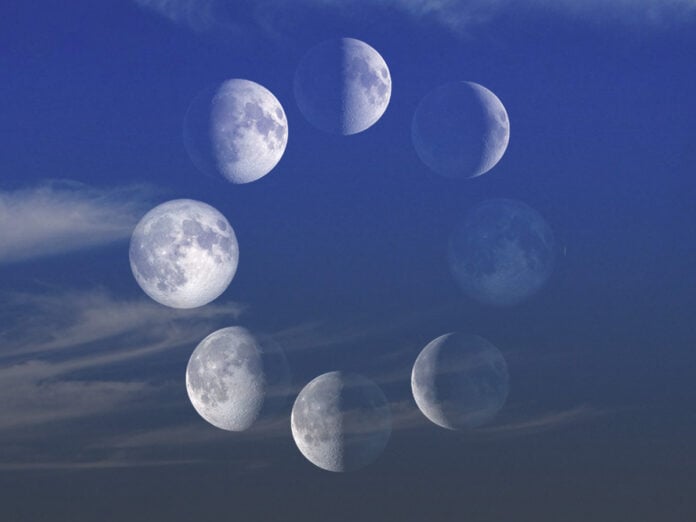
The current lunar cycle began with the New Moon on September 11. The First Quarter moon passed on September 18, when roughly half the disk was illuminated. The Waxing Gibbous is the fourth phase in the standard eight-phase cycle. After the Full Moon on September 26, the moon will enter the Waning Gibbous phase, then Last Quarter, then Waning Crescent, before the next New Moon arrives in early October. Each phase lasts roughly three to four days.
Tonight favors sky watching. Moonrise at 4:37 p.m. means the moon is already well up by the time darkness arrives. The coming nights will grow progressively brighter as the moon swells toward full. By September 26, the Harvest Moon will rise within minutes of sunset and hold the sky through the night. For observers at northern mid-latitudes, this is among the best consecutive nights of the year to step outside at dusk without a flashlight.