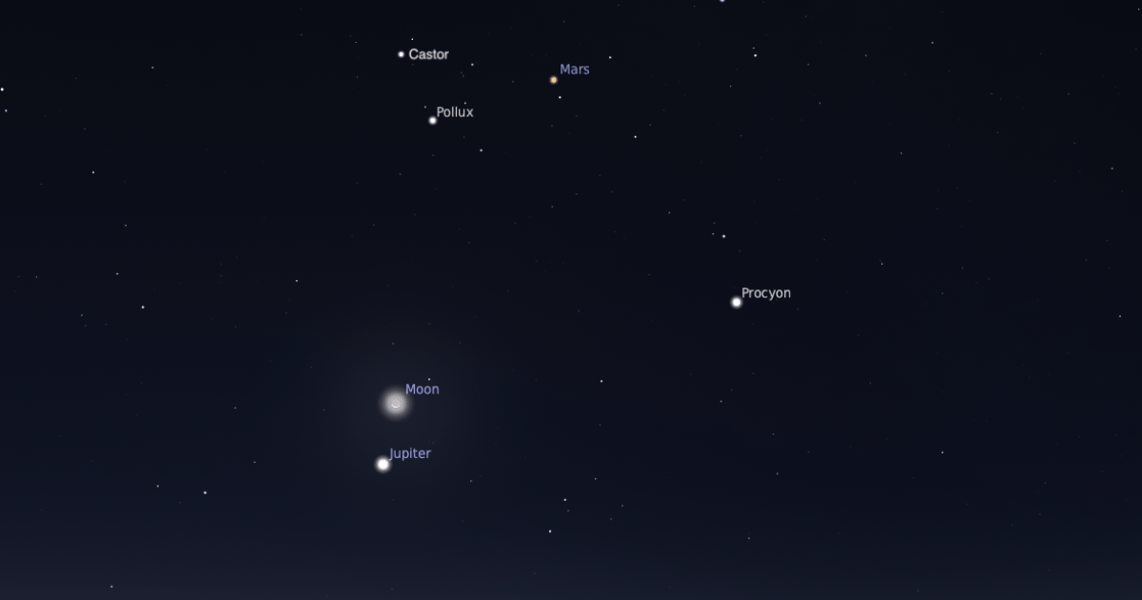

The moon phase today, September 16, 2026, is a Waxing Crescent at approximately 29 percent illumination. The lunar cycle reset with the New Moon in Virgo on September 11 at 03:27 UTC, and the moon has been brightening in the evening sky for five days. Tonight it sits in Scorpio, roughly 400,000 kilometers from Earth, and sets before midnight for observers in the Northern Hemisphere.
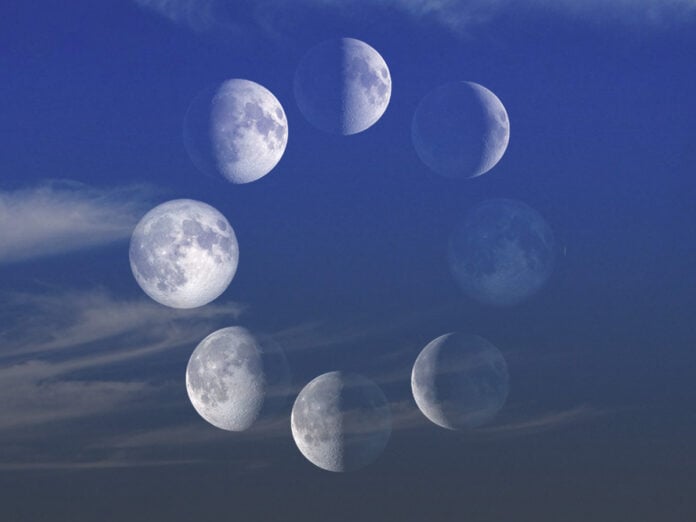
The Waxing Crescent is the phase between new moon and first quarter. As the moon moves along its orbit, the right side of its face catches increasing sunlight each evening, building the crescent from a thin sliver to the half-illuminated disk of first quarter. It is the most recognizable early-evening phase, the curved sliver low in the western sky visible shortly after sunset, tracing its path toward the horizon through the first hours of night.
A significant transition arrives in two days. The First Quarter Moon falls on September 18 at 20:44 UTC, when exactly half the lunar disk faces Earth and the terminator, the boundary between sunlit and shadowed terrain, cuts cleanly across the middle. First Quarter is one of the best opportunities for backyard telescope observers: the stark shadows along the terminator bring craters, mountain ranges, and the edges of the ancient mare basins into sharp relief at low magnification.
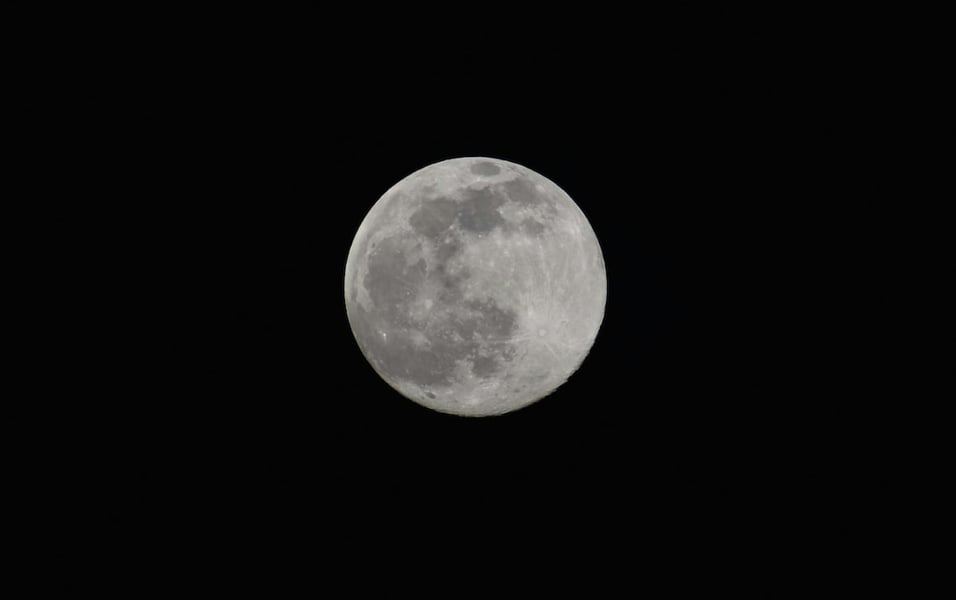
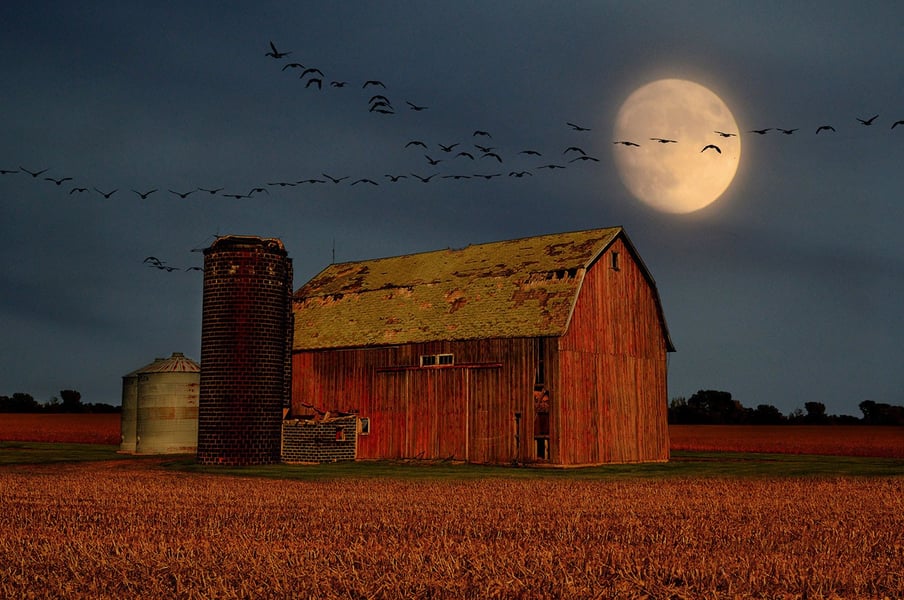
The month’s defining event is ten days ahead. The Harvest Moon reaches full illumination on September 26 at 16:49 UTC, the full moon nearest the autumnal equinox, which falls on September 22. The Harvest Moon rises within twenty to thirty minutes of sunset for several consecutive evenings rather than the usual fifty-minute daily delay. That effect, driven by the shallow angle the moon’s path makes with the eastern horizon near the equinox, once extended the harvest window for farmers who needed evening light after a full working day in the fields.
On the night of September 26, Saturn will be visible close to the Harvest Moon, easily spotted with the naked eye in the southeastern sky from Northern Hemisphere latitudes. Neptune, much fainter, completes a broad triangle visible in binoculars. Higher overhead, the International Space Station continues its ninety-minute orbital loop, its crew replenished by the Progress MS-35 cargo mission that launched from Baikonur earlier today, delivering propellant, food, and science hardware to the Russian segment.
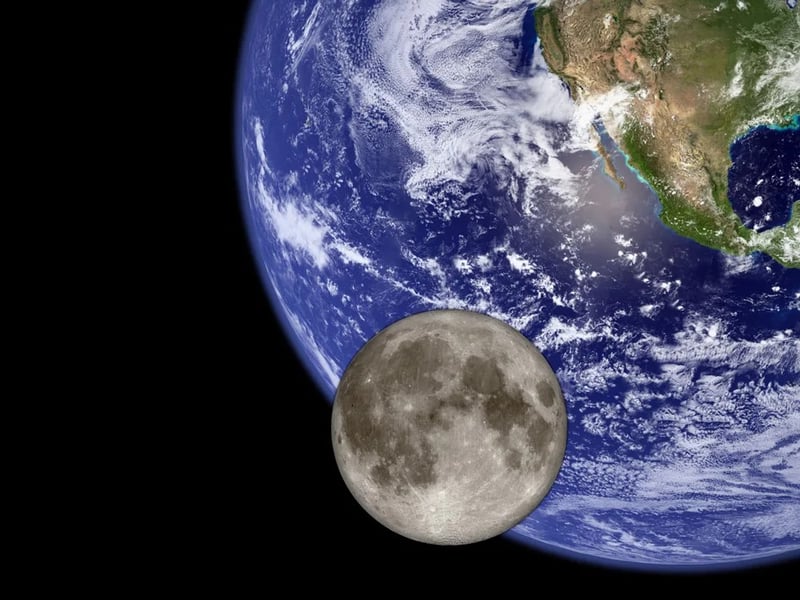
For observers tracking this cycle from its beginning, the Last Quarter Moon on September 4 was the most recent key phase, when the waning half-disk preceded the new moon. That waning period closed out the summer’s eclipse season, which reached its climax on August 13 when the total solar eclipse crossed northern Spain for the first time since 1905.
The Waxing Crescent carries resonance across cultural and astrological traditions. In Islamic lunar calendars, the crescent’s first visible appearance after new moon marks the opening of the month. In Western astrological practice, the Waxing Crescent corresponds to the growth phase following the new moon’s initiation. The moon’s current transit through Scorpio, a fixed water sign, adds a quality of depth and intensity in that tradition.
According to NASA’s September 2026 Skywatching Guide, Venus reaches peak brilliance on September 18, the same day as the First Quarter Moon, making mid-September the finest window this year to observe two bright objects together in the evening sky. The crescent builds toward half-illumination while Venus blazes at its most luminous appearance of the year. NASA Jet Propulsion Laboratory’s full September guide covers the Harvest Moon, Venus, the equinox, and the Saturn conjunction in detail.
| Phase | Date | Time (UTC) | Illumination |
|---|---|---|---|
| New Moon | September 11 | 03:27 | 0% |
| First Quarter | September 18 | 20:44 | 50% |
| Full Moon – Harvest Moon | September 26 | 16:49 | 100% |
| Last Quarter | October 3 | approx. 12:00 | 50% |
| Source: NASA JPL. Times in UTC. The September 26 Full Moon is the Harvest Moon, the full moon nearest the autumnal equinox (September 22, 2026). Last Quarter time is approximate. | |||
The moon is currently 5.4 days old, sitting 400,049 kilometers from Earth. It will not return to this Waxing Crescent phase again until mid-October. Tonight the crescent is bright enough to navigate by but does not overwhelm the fainter stars of Sagittarius and Scorpius to the south. The next several evenings offer a reasonable window for faint-object observing before the Harvest Moon brightens the sky across the final week of September.