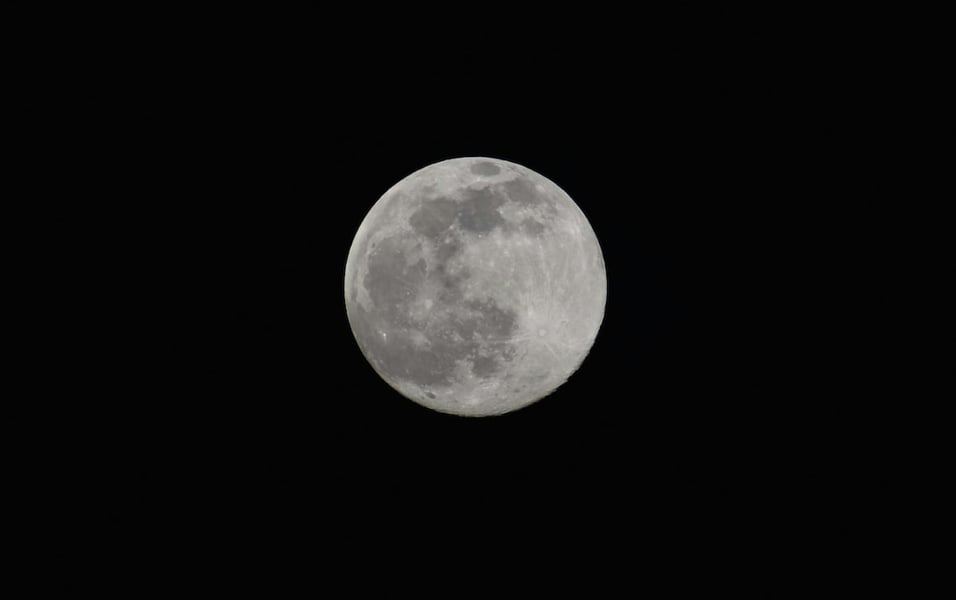
The moon phase today is Waxing Gibbous. On September 25, 2026, the lunar disk is 96.22 percent illuminated, placing tonight just one step below the full Harvest Moon that peaks at 12:49 p.m. EDT tomorrow, Saturday, September 26. At 13.7 days old in its 29.5-day cycle, the moon is as bright as it will get without being technically full.
For most observers looking up tonight, the difference between tonight’s moon phase and tomorrow’s full moon is impossible to detect with the naked eye. The sky over the Northern Hemisphere will carry near-total lunar brightness from dusk to near-dawn, bright enough to read by outdoors and strong enough to wash out all but the most prominent stars and planets.
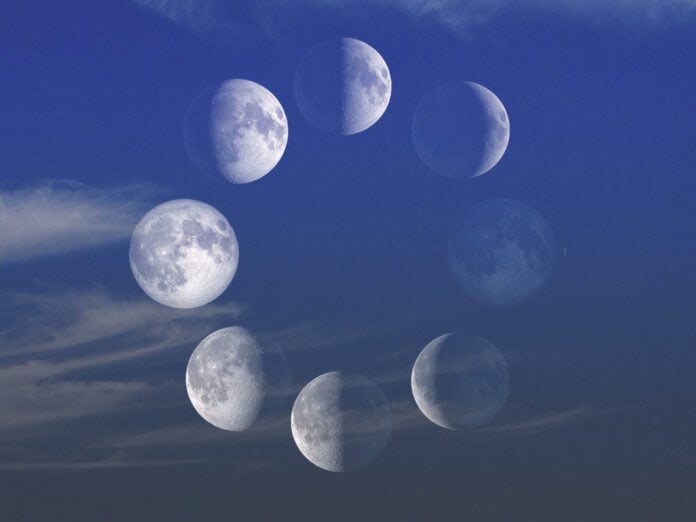
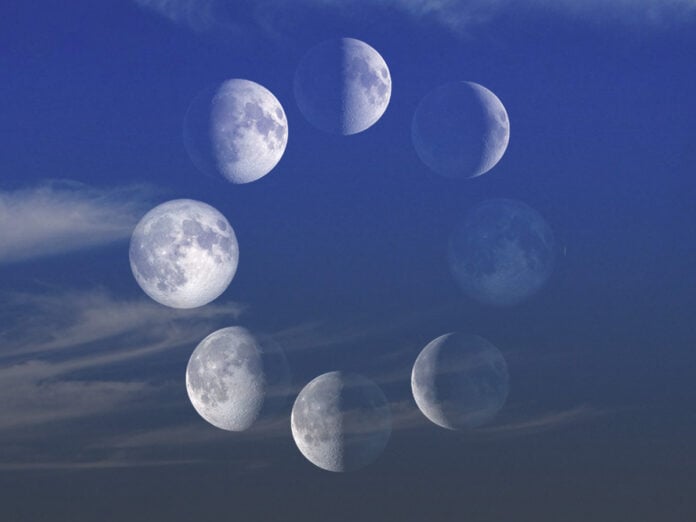
Understanding what the moon phase today means requires knowing how the lunar cycle works. The moon completes one full orbit of Earth roughly every 29.5 days. As it does, the angle between the sun, Earth, and moon shifts continuously, changing how much of the illuminated half of the moon is visible from the ground. The eight named phases, from new moon through waxing crescent, first quarter, waxing gibbous, full moon, waning gibbous, last quarter, and waning crescent, describe where the moon sits in that orbit at any given moment.
A Waxing Gibbous phase specifically means the moon is between First Quarter and Full. The word gibbous comes from the Latin for hump, describing the lopsided, more-than-half-lit appearance of the disk before it rounds to a complete circle. Waxing means the illuminated portion is growing. Tonight that fraction has reached 96.22 percent, the threshold at which the moon’s reflected light can suppress astronomical observations and dominate the night sky for hours.
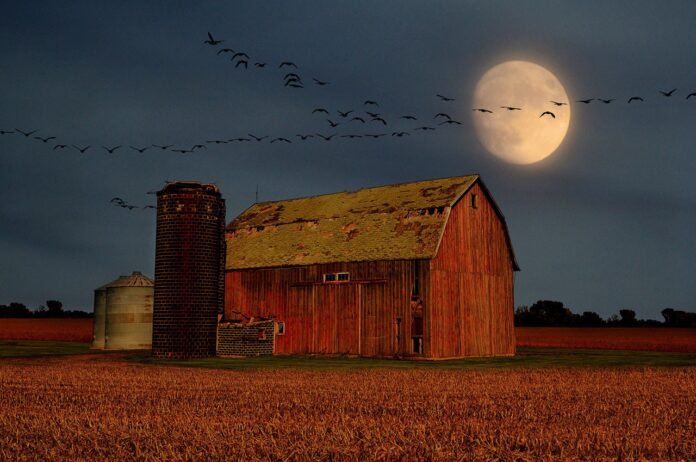
The moon phase today carries special significance because of the Harvest Moon context. The Harvest Moon is defined as the full moon occurring nearest to the autumnal equinox, which fell this year on September 22. What sets the Harvest Moon apart from every other full moon is its rising behavior: rather than the usual 40-to-50-minute delay between one night’s moonrise and the next, the Harvest Moon rises within 20 to 30 minutes of sunset on consecutive nights. Ancient farmers depended on that extra hour of light to bring in late-season crops after the sun had gone down. Tonight’s Waxing Gibbous moon is the final waxing night before that phenomenon peaks.
The moon’s current position in Pisces, the twelfth sign of the zodiac, adds a layer of meaning for those who track lunar astrology. Pisces is a water sign associated with deep intuition, emotional sensitivity, creativity, and spiritual awareness. A nearly-full moon in Pisces amplifies those qualities. For practitioners who time personal reflection, creative work, or intention-setting by the moon, the 24-hour window between tonight and tomorrow’s full moon represents the highest point of the current waxing cycle, a moment when energy and clarity are said to peak before the waning phase brings a shift toward release and completion.
| Detail | Value |
|---|---|
| Moon Phase Today | Waxing Gibbous |
| Illumination | 96.22% |
| Moon Age | 13.7 days |
| Moon Sign Today | Pisces |
| Distance from Earth | 387,470 km (240,719 mi) |
| Moonrise | Late afternoon / early evening (varies by location) |
| Next Full Moon | September 26, 2026 at 12:49 p.m. EDT (Harvest Moon) |
| Previous New Moon | September 12, 2026 |
| Next New Moon | October 11, 2026 |
| Next Last Quarter | ~October 3, 2026 |
| Source: Lunar calendar data for September 25, 2026. Moonrise times vary by geographic location. | |
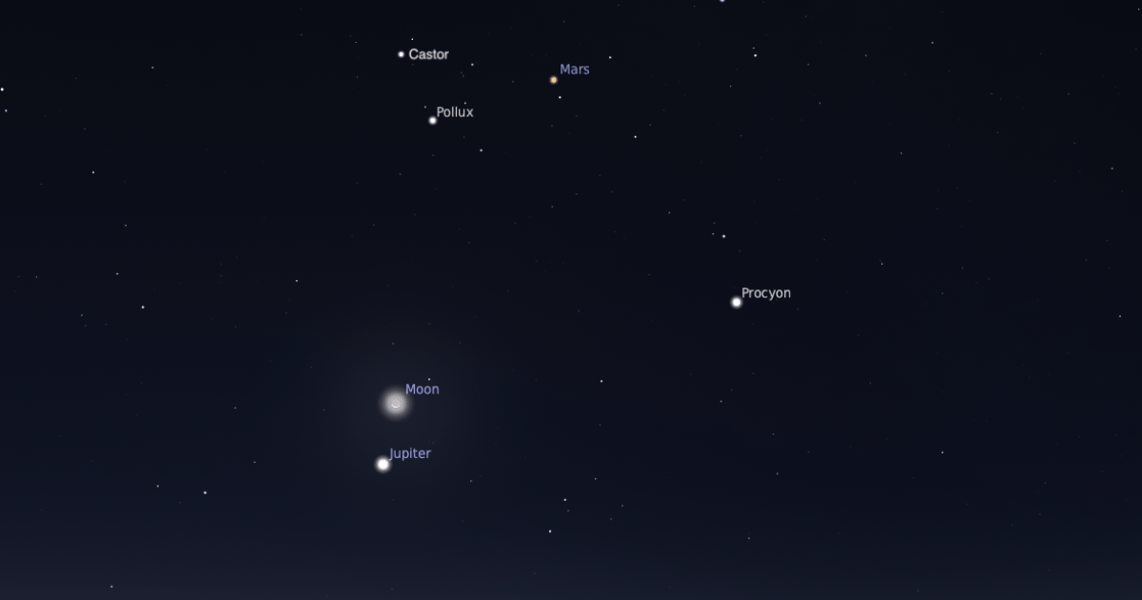
For tonight’s skywatching, no equipment is needed. The moon will be visible to the naked eye from shortly after sunset until well past midnight, rising in the east and arcing high across the southern sky. The high illumination means faint deep-sky objects such as nebulae and distant galaxies will be washed out, but the moon itself is the attraction. Observers in the Northern Hemisphere will see the fully lit disk climbing toward its highest point around local midnight. Those in the Southern Hemisphere will see the moon arc toward the north rather than south, but the phase and brightness are identical worldwide.
NASA’s September 2026 skywatching guide, part of the agency’s monthly “What’s Up” series, highlights the Harvest Moon as the primary naked-eye event of the month. The guide details the consecutive-night rise times that make the Harvest Moon uniquely useful for outdoor observation and covers the best windows for spotting the outer planets in September’s evening sky. Full monthly guidance is published at NASA Science as part of its public astronomy outreach calendar.
Looking ahead, the full Harvest Moon in Aries on September 26 tips the cycle into its waning half. The disk moves through Waning Gibbous from September 27 through around October 2, dimming gradually each night. Last Quarter arrives around October 3, when exactly half the disk is again illuminated, this time on the left side rather than the right for Northern Hemisphere observers. The Waning Crescent phase stretches from approximately October 4 to October 10, leaving the predawn sky dark enough for deep-sky observation for the first time since early September. The next New Moon arrives around October 11.
Tracking the moon phase today and through the coming weeks is useful beyond aesthetics. Astronomers time meteor shower observations, astrophotography sessions, and telescope nights around the lunar calendar, avoiding nights within a week of full moon when background glow overpowers faint targets. Marine navigators and coastal planners use lunar phase data to anticipate tidal ranges, with full and new moons producing higher spring tides. Gardeners and farmers in traditions worldwide still align planting and harvesting schedules to the lunar cycle, with the waxing phase considered favorable for above-ground crops and the waning phase suited to root vegetables.
Tonight’s moon phase stands at the peak of all of that. At 96.22 percent illumination, it is the brightest night the September sky will offer. Whatever the reason for looking up, tonight delivers.