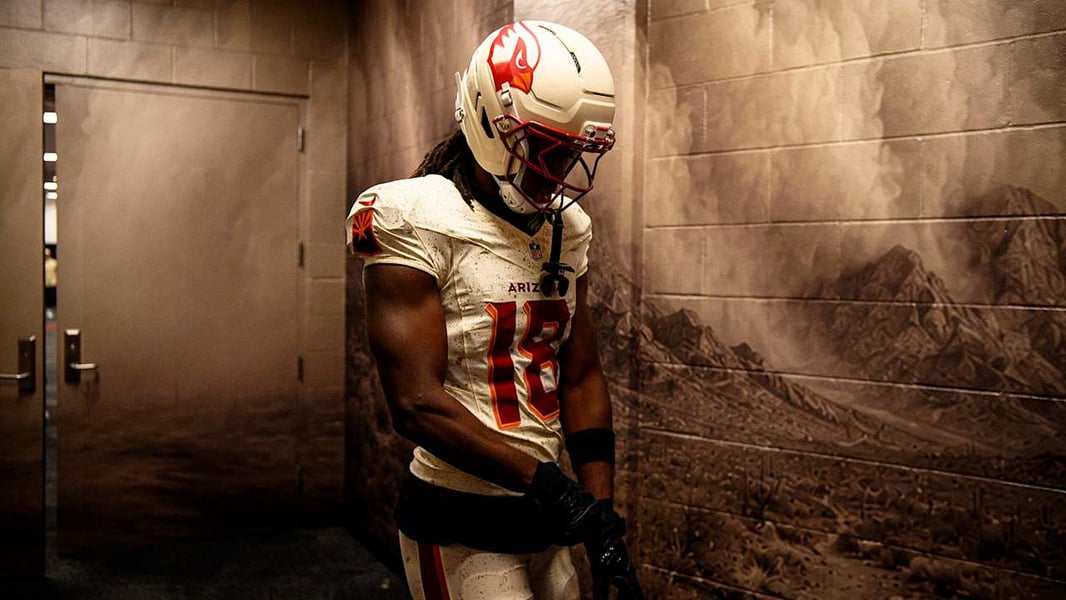

TEMPE, Ariz. – Jacoby Brissett learned on Saturday that a teammate he expected to find in the huddle would be leaving. Mike LaFleur told the Cardinals. Marvin Harrison Jr. told them too. By Sunday, Harrison was inactive, Arizona was playing without him, and Houston coach DeMeco Ryans was telling reporters the Texans had traded for the receiver.
The move reunites Harrison with his former Ohio State quarterback, C.J. Stroud, while ending Arizona’s investment in its former No. 4 overall pick just four games into his third NFL season. According to NFL Network’s report, the Cardinals are sending Harrison and a 2027 seventh-round pick to the Houston Texans for second- and sixth-round selections in the same draft.
The coaches’ acknowledgments removed the mystery surrounding Harrison’s destination. They did not replace the formal transaction notice. Arizona’s official account, published Sunday evening, said the trade had not yet been officially announced and described the draft-pick exchange as reported terms. That distinction matters before treating every part of the deal as a completed league filing.
Ryans was direct after Houston’s 26-3 victory over Tennessee: “Yes, we traded for Marvin Harrison,” he said, according to NFL.com. The Texans had begun the day winless and finished it 1-4. Their acquisition gives Stroud another receiver at a point when the team is trying to recover a season that began with four defeats.
For Houston, the college connection is the clearest reason to believe this can be more than a change of address. Harrison and Stroud already know one another from Ohio State. That familiarity does not guarantee NFL production, but it offers a starting point that a midseason pairing usually lacks. The Texans are buying the possibility of a better fit, not a proven recent level of performance.
Harrison caught five passes for 85 yards and a touchdown in his first four games this season, NFL.com reported. Across his first two years, he had 103 receptions for 1,493 yards and 12 touchdowns in 29 games. The early career totals explain why Houston can still see value; the sharply reduced role this autumn explains why Arizona was willing to listen.
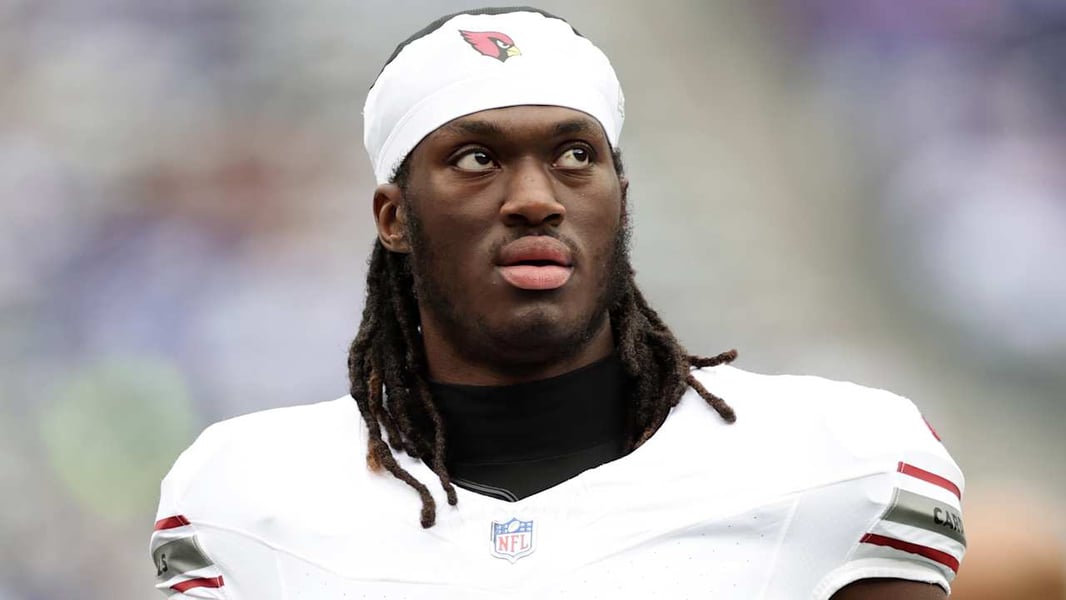
Mike LaFleur did not publicly reduce the decision to blame for the player. “I just thought it was in the best interest of this club,” the Arizona coach said in the team’s account. He called Harrison a good person and wished him well, then said players performing below their capabilities remained a responsibility of coaching.
That leaves an important reporting gap. LaFleur did not explain the full reasoning behind the deal, and the available accounts do not establish whether one specific disagreement or event caused it. Five receptions are a measure of output, not a complete account of a relationship between a receiver, his quarterbacks and his coaches.
The immediate football consequences were visible before any detailed explanation arrived. Arizona lost 45-21 to Detroit on Sunday without Harrison. LaFleur said the Lions double-teamed tight end Trey McBride and receiver Michael Wilson. Removing one receiver changes where a defense can direct attention, even when that receiver’s recent catches have been limited.
LaFleur also said the trade was not the reason the Cardinals played poorly. That separates the personnel decision from the result on the field. Arizona still had a game to prepare for, and its coach refused to use the unsettled weekend as an explanation for the loss.
Brissett’s response supplied the part of the story that draft-pick arithmetic cannot capture. “As much as everyone wants to say, ‘It’s a business, it’s a business,’ that doesn’t make it easy,” he told the Cardinals’ website. He said Harrison was someone he would miss and that teammates would be rooting for him.
The Arizona Cardinals now have to build their passing game around the players who remain while looking ahead to the reported draft return. A second-round selection gives them a meaningful future resource, but not an immediate replacement for a player already removed from the lineup. The sixth-round pick comes with the additional cost of sending Houston a seventh-rounder.
Houston’s receiving group is led by Nico Collins, and NFL.com reported that Tank Dell returned to practice during the previous week. Harrison would enter that group rather than arrive as its only established name. Dell’s return to practice should not be confused with a confirmed game return, and the available report does not settle Harrison’s first appearance or exact role.
The Texans have been defined in part by their defense, but this transaction addresses a different need: another option for Stroud. Ryans’ announcement came after a comfortable win, yet a 1-4 record leaves Houston little room to wait for the offense to improve gradually.
The exchange reflects two different judgments about the same player. Arizona prefers future selections to continuing the current arrangement. Houston believes the former high draft pick has more to offer alongside a familiar quarterback. Neither judgment can be tested by a press-conference acknowledgment alone.
Harrison’s next catches will provide the first evidence. For now, the coaches have identified the move, the reported picks establish its price, and Brissett’s comments explain what Arizona loses before any replacement arrives.