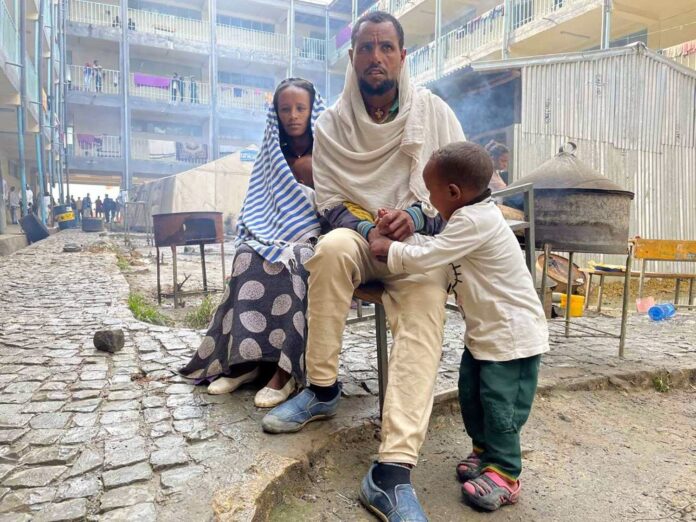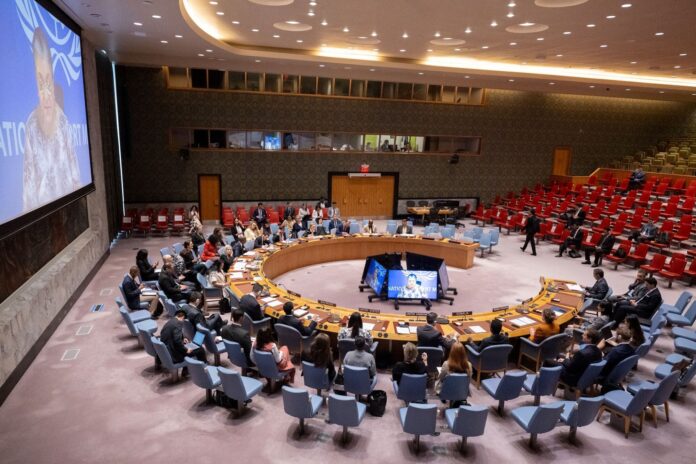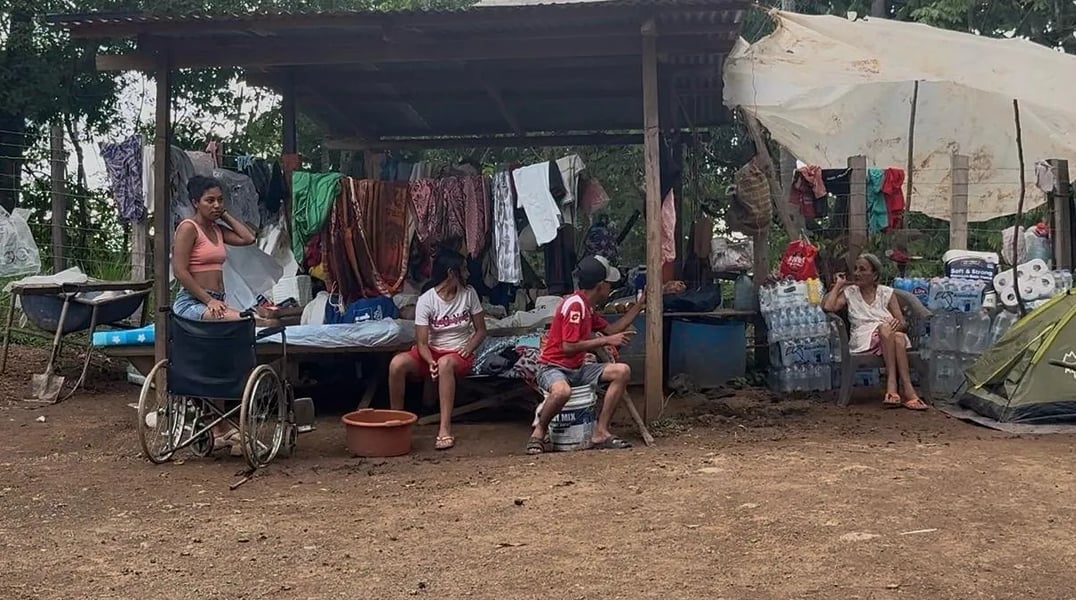

PANAMA CITY — Six days after what UNICEF calls the country’s most significant earthquake of the century so far, Panama has reported one death, and families are still sleeping outdoors for fear of aftershocks. What no agency has yet produced is a single account of how bad it is: the UN, UNICEF, the health authorities and the government are counting the same disaster with different numbers.
The first figure to diverge is the quake itself. The Institute of Geosciences of the University of Panama put it at magnitude 7.5, at a depth of 4 kilometers. The U.S. Geological Survey estimated 7.7. UNICEF and the UN’s humanitarian office both use 7.5 in their reports on the Panama earthquake. The two come from different networks and methods, and the gap travels into every downstream estimate.
The damage counts diverge more. UNICEF’s emergency page, updated October 13, counted 656 schools affected and 598 people in temporary shelters, and reported no deaths. The next day the UN Office for the Coordination of Humanitarian Affairs reported 619 schools affected, 3,696 people in shelters and the first death, a person who had been hospitalized with injuries. Health facilities show the same pattern: the Pan American Health Organization counted 29 affected on October 11, while the government figure cited by OCHA three days later was 67. Some of that is the count growing as inspectors reach remote villages. The shelter jump from 598 to 3,696 is too large for any report to explain, and none does.
What the OCHA situation report does fix is the scale of need. The government estimates that 13,623 people were affected, with more than 4,000 homes damaged, 879 of them with total damage. The shaking has continued: more than 400 aftershocks, by the university institute’s count. The last major earthquake on this fault system, OCHA notes, was a magnitude 6.9 in 1913. UNICEF estimates that nearly 38,000 people may need assistance, about 8,300 of them children, and that four hospitals are treating patients in temporary tents.
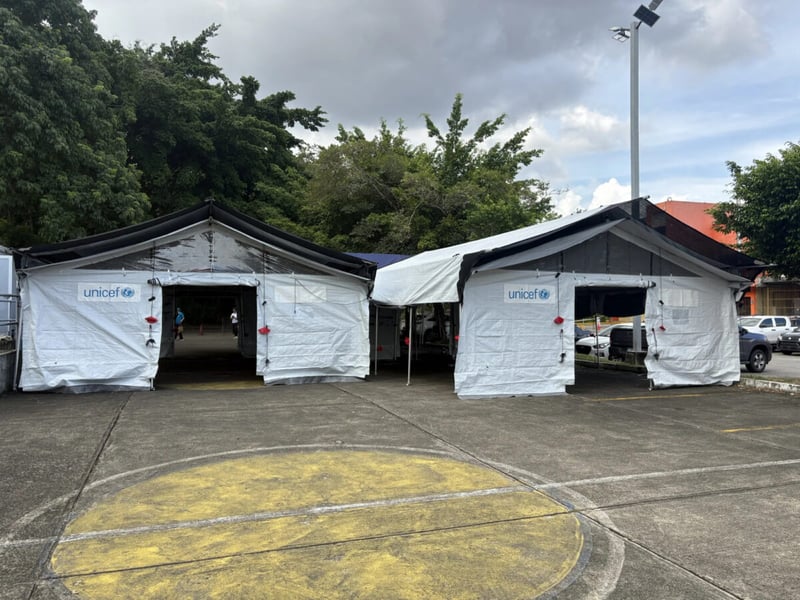
The USGS‘s automated PAGER estimate gives a benchmark. It put the most likely death toll at one to 10, with 34% odds on 10 to 100, and the most likely economic loss at $100 million to $1 billion. One reported death sits at the bottom of the first range; no official damage figure yet exists to test the second.
Panama declared a state of emergency on October 10 and has deployed about 1,100 civil protection staff and 7,100 security personnel, with help from several governments, including the United States, which announced $5 million, along with Costa Rica, Mexico, Venezuela, China and South Korea. Classes in state schools remain suspended while inspectors check buildings.
Who will publish the one set of numbers the others should be reconciled to, and when, is the open question. Until then, the toll depends on which report you open.