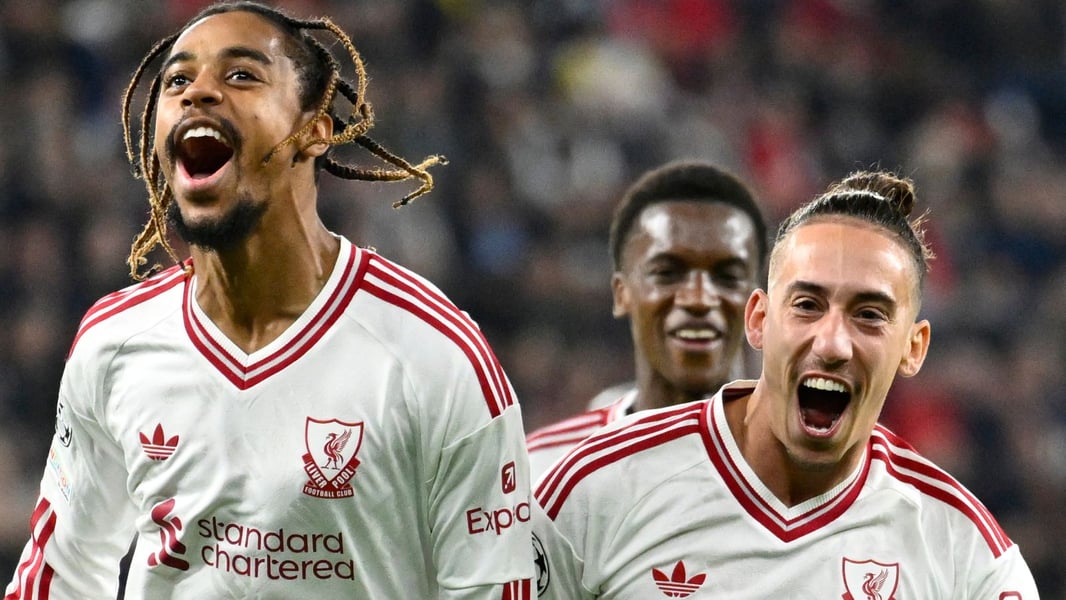

LINZ, Austria – Bradley Barcola supplied the breakthrough Liverpool had been waiting for, scoring a hat-trick in a 6–3 Champions League win at LASK on Wednesday. Florian Wirtz helped drive an attacking performance that restored some confidence after defeat by Manchester City, although three second-half goals conceded denied Andoni Iraola a straightforward evening.
The result gave Liverpool two wins from two in the league phase. It also captured the contrast in their performance: enough attacking quality to build a four-goal lead, but not enough defensive control to keep the closing stages quiet.
Bradley Barcola turned his first Liverpool goals into a hat-trick. For a forward whose arrival had carried considerable expectation, the significance extended beyond adding another three points to the European campaign.
Wirtz helps Liverpool turn possession into chances
Sky Sports highlighted Wirtz’s influence alongside Barcola’s finishing. The German’s contribution mattered because Liverpool needed more than an individual scorer: they needed the connections that allowed their attackers to receive the ball in dangerous positions.
Ronald Araujo and Jeremie Frimpong also scored with headers, while Lewis Koumas added his name to the scoresheet. Liverpool’s official match report confirmed the six-goal return at the Raiffeisen Arena.
The attacking response came after Liverpool’s 3–0 defeat by Manchester City at Anfield. LASK offered different opposition, so this was not evidence that every problem from that match had disappeared, but Liverpool did rediscover a route to goals.
A four-goal lead does not settle the defense
Liverpool were 3–0 ahead at half-time and extended the advantage to 4–0 after 51 minutes. From there, the visitors had the margin to manage the game without needing to chase further openings.
Instead, Robert Ljubicic and Florian Flecker brought LASK into the scoring, with Flecker finding the net twice. Liverpool retained a comfortable enough advantage to win, but conceding three changed the assessment of an otherwise emphatic result.
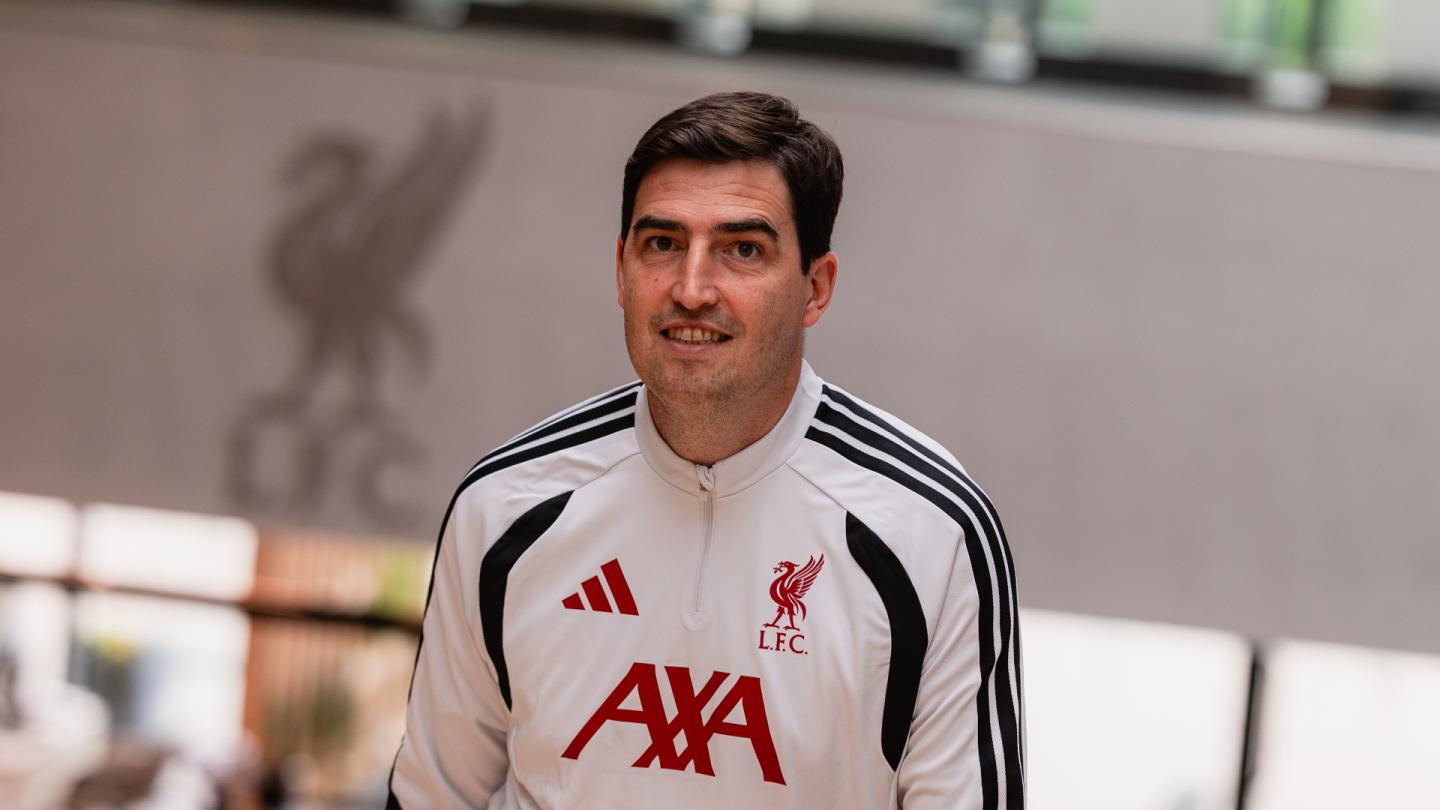
Andoni Iraola addressed the defensive disruption in his post-match press conference, acknowledging the effect of replacing both centre-backs together. His explanation did not erase the goals conceded, but it placed the changes in the defensive unit within the discussion.
Barcola’s breakthrough gives Iraola something to build on
The most encouraging feature for Liverpool was the range of their scoring. Barcola finished three times, two other players scored headers, and Koumas contributed on a night when Wirtz’s creativity helped make the attack function.
That variety is useful to Iraola’s Liverpool project. A side that can threaten through different players and different routes is less dependent on one moment of individual inspiration.
The limitation is equally clear. A four-goal lead should make control easier, not leave the opponent with three goals by the final whistle. Against stronger opposition, Liverpool may not have the same attacking cushion.
Barcola left Austria with the match ball and Liverpool with another European win. The finishing gave Iraola a breakthrough to build on; the defending ensured there was still a separate problem to solve.