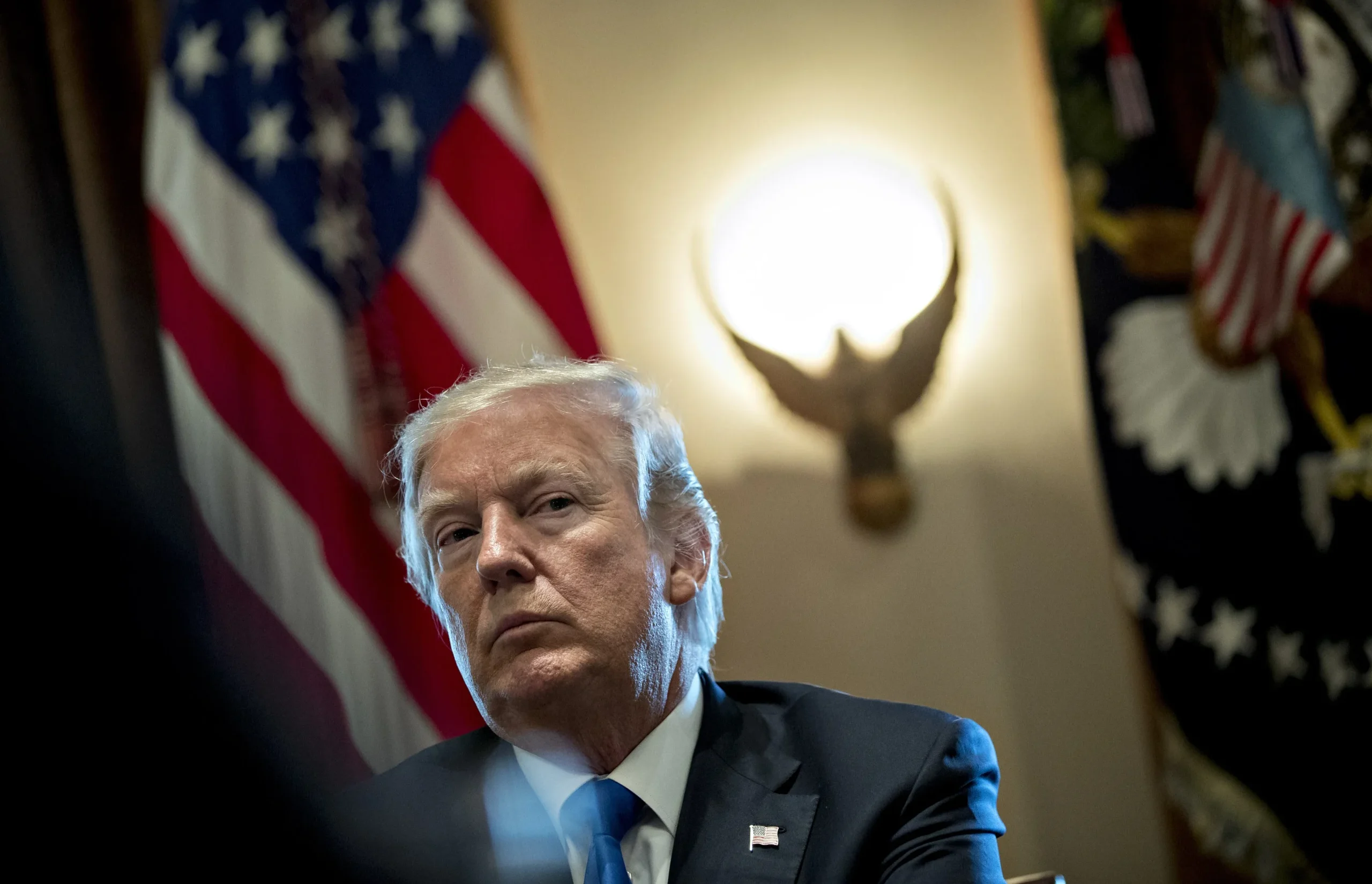
Donald Trump’s latest immigration initiative is a clear example of economic opportunism disguised as policy. Rather than protecting vulnerable asylum seekers, the US government under Trump’s directive is focused on deporting individuals deemed economically non-essential. We don’t want people who can’t contribute to the workforce, Trump declared, as he prioritizes those who can “make America great again” through their economic output.
This narrow, transactional view of immigration turns a blind eye to human rights, especially for those fleeing violence. Asylum seekers—often escaping life-threatening danger—are dismissed, not because of their survival needs, but because they do not meet the administration’s economic standards. Trump’s policy calls for the deportation of anyone who cannot provide tangible economic value to the US, regardless of the peril they face in their home countries.
Critics have condemned Trump’s stance, arguing that it strips away the US’s moral responsibility to protect the most vulnerable. “Trump’s approach is a slap in the face to those who seek refuge from violence,” said Maria Cruz, an immigration attorney. “Turning away people based on their economic worth is inhumane and immoral.”
US lawmakers, especially from the Democratic Party, have denounced the policy. “America’s promise was always one of refuge,” said Senator Elena Vasquez. “Now, under Trump, that promise is replaced by economic elitism, deciding who deserves safety based on their ability to contribute financially.”
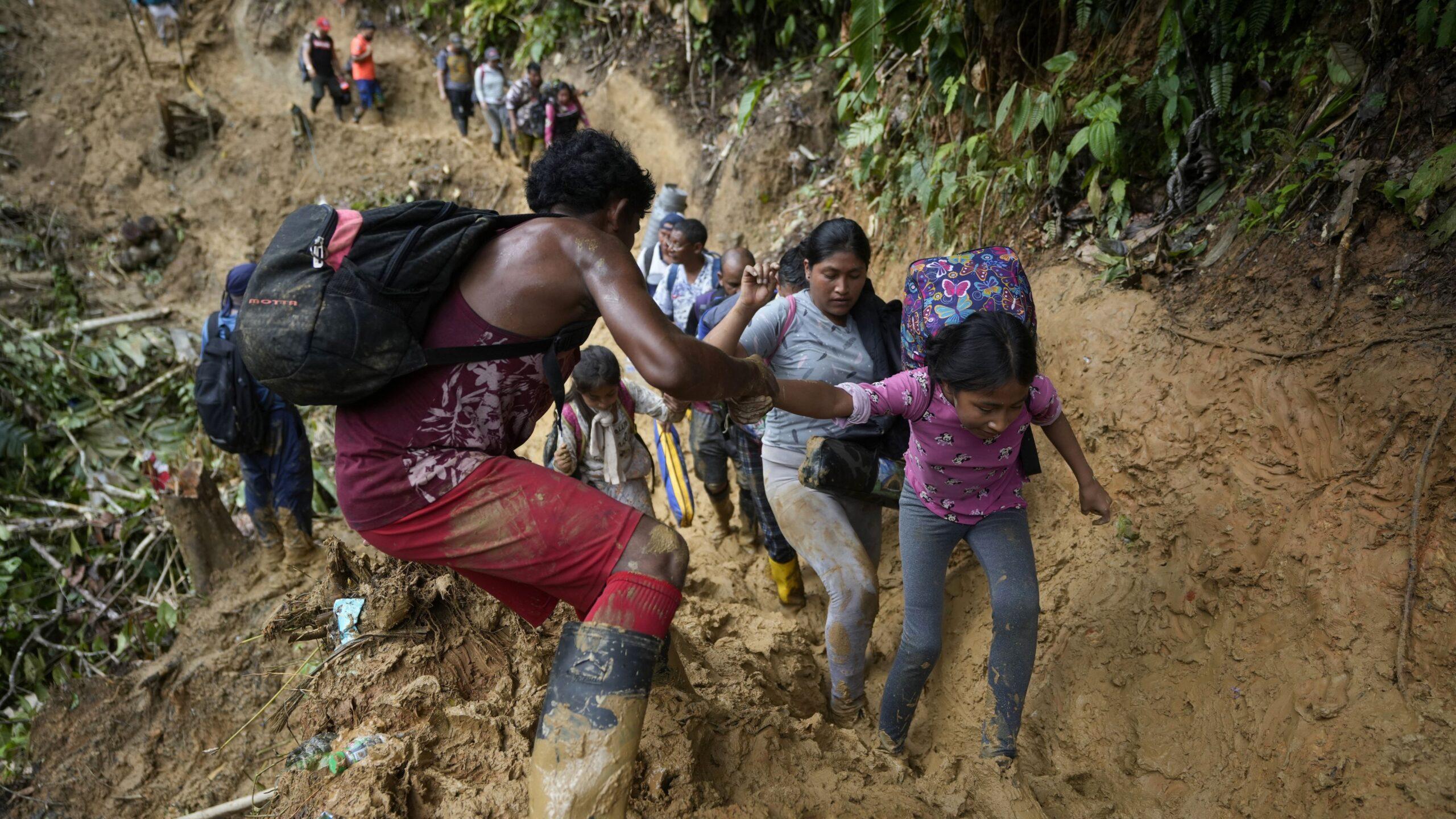
Many are asking: Is this really the America we aspire to be, or has the nation’s identity shifted to one that values productivity over compassion? As Trump continues his harsh stance on immigration, the consequences of such policies will become even more pronounced, raising crucial questions about the future of US immigration, its moral obligations, and its role on the global stage.
Trump’s exclusionary approach contrasts sharply with the country’s historical role as a sanctuary for those in danger, pointing to a future where the American dream is only attainable for those who are deemed economically “useful.” This policy ultimately reflects Trump’s vision for the US: an economy-first nation that places human lives second.