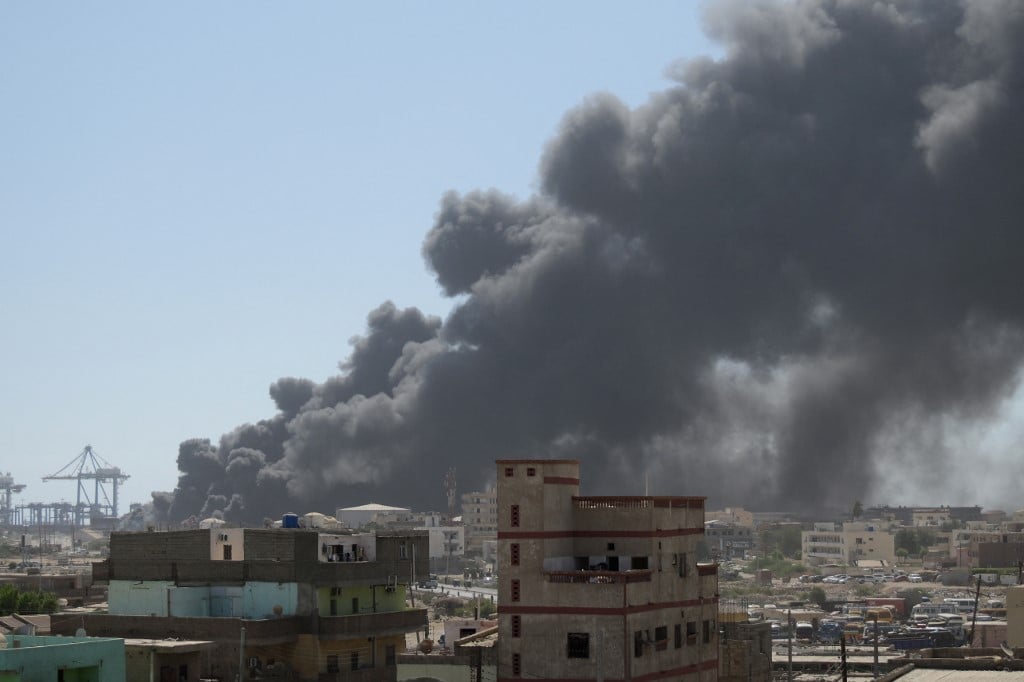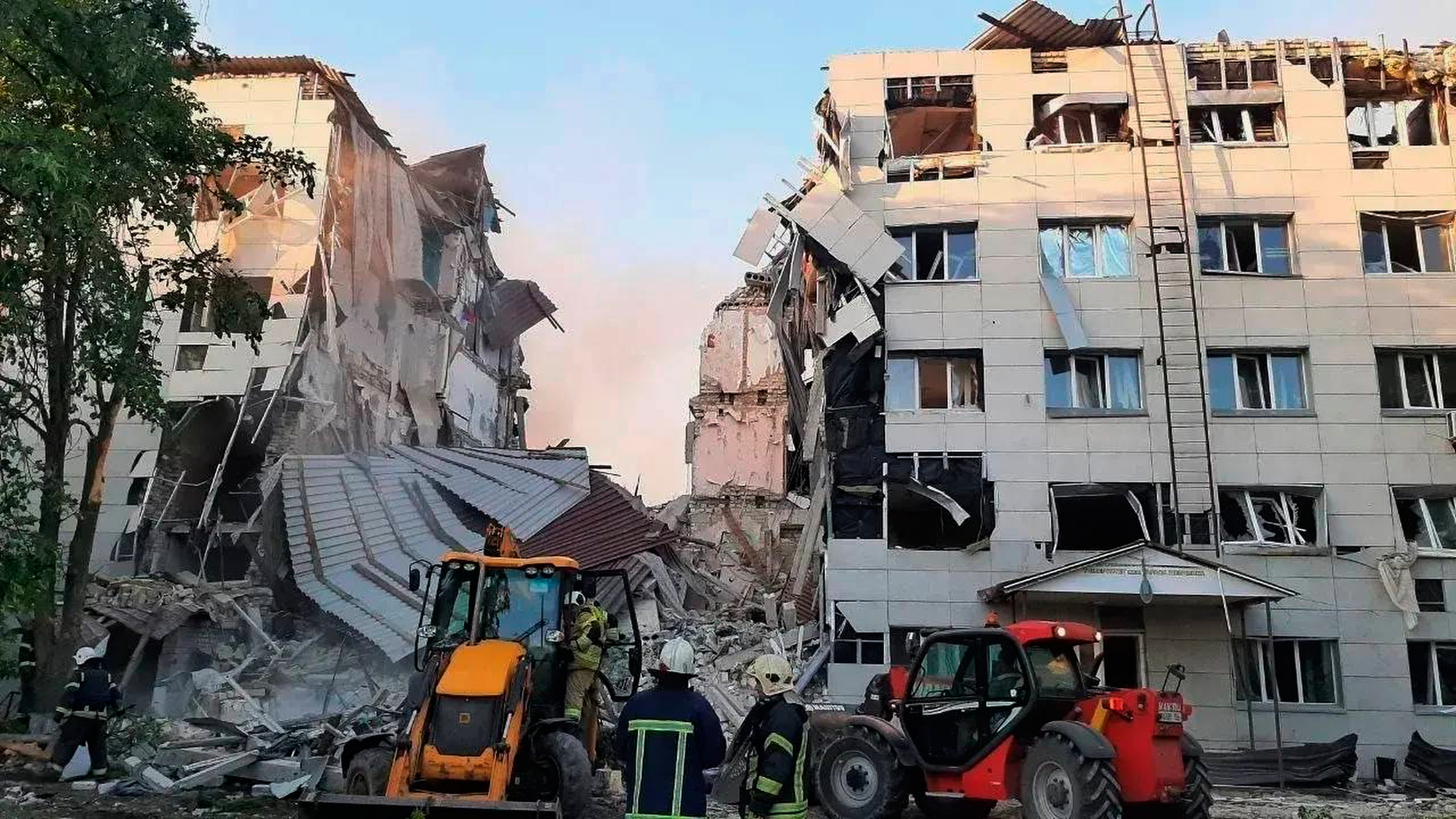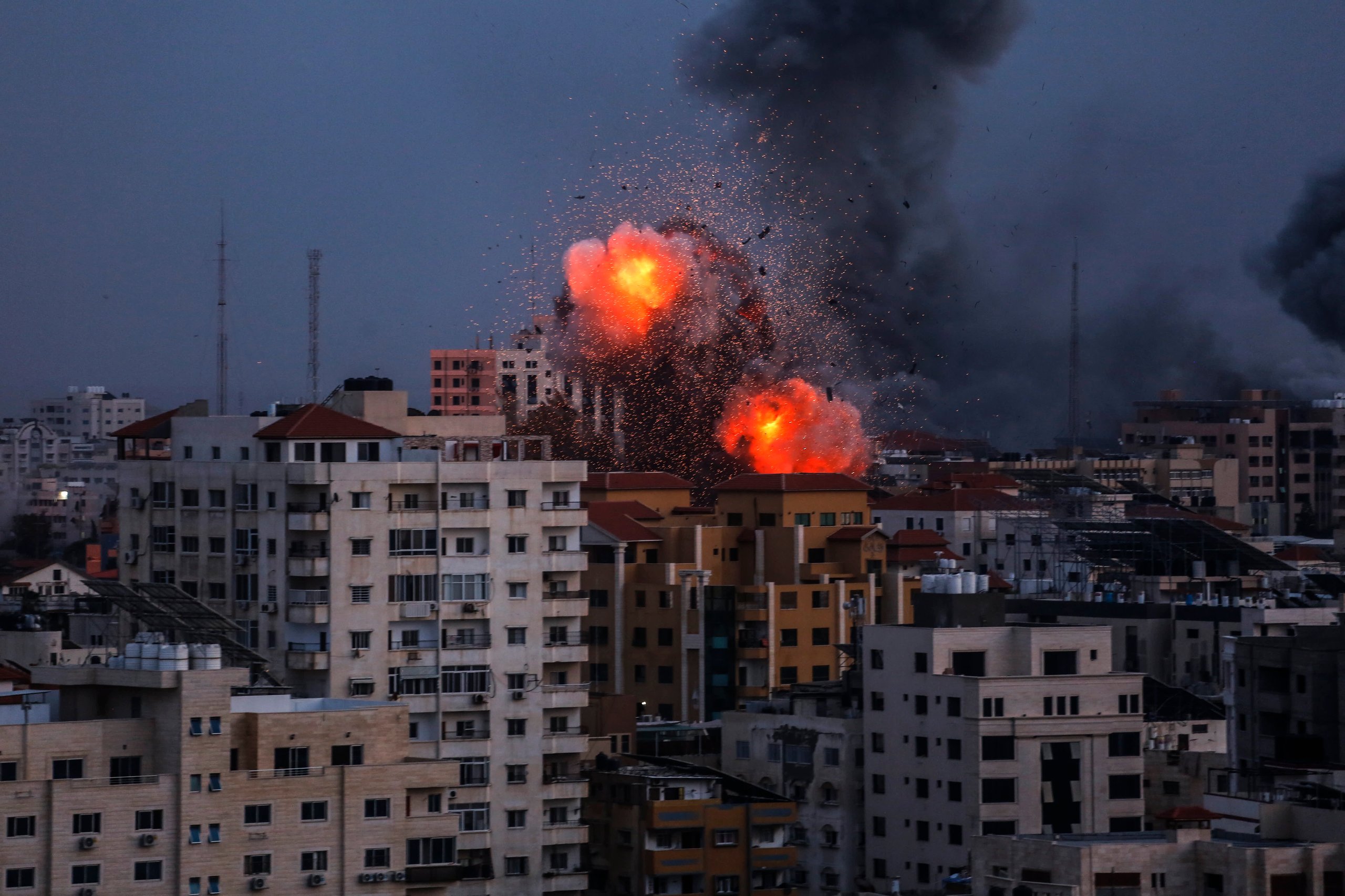
Southern Gaza remains engulfed in relentless turmoil as Israeli airstrikes, shelling, and demolition campaigns continue unabated. Despite a fragile truce earlier this month, the humanitarian crisis deepens, with Palestinians facing severe hunger and displacement amid ongoing military operations.
The devastating air attacks have targeted densely populated areas, exacerbating the dire conditions in Gaza’s southern regions. Israeli military actions, described by analysts as part of a ““no war, no peace” Lebanonisation strategy“, aim to sustain pressure without triggering full-scale war, maintaining a precarious control over the area. This approach leaves civilians trapped in an inhumane standoff, exposed to repeated violence and destruction.
Humanitarian agencies warn of an acute shortage of food, fuel, and medical supplies entering Gaza, with aid deliveries hampered by security concerns and restrictions. Despite the truce, the blockade persists, causing soaring prices and a critical scarcity of essentials. Many Palestinians suffer from hunger and malnutrition, with child victims tragically increasing as the conflict prolongs. UNICEF has reported over 18,000 children killed or injured, marking one of the deadliest conflicts for young civilians in recent history.
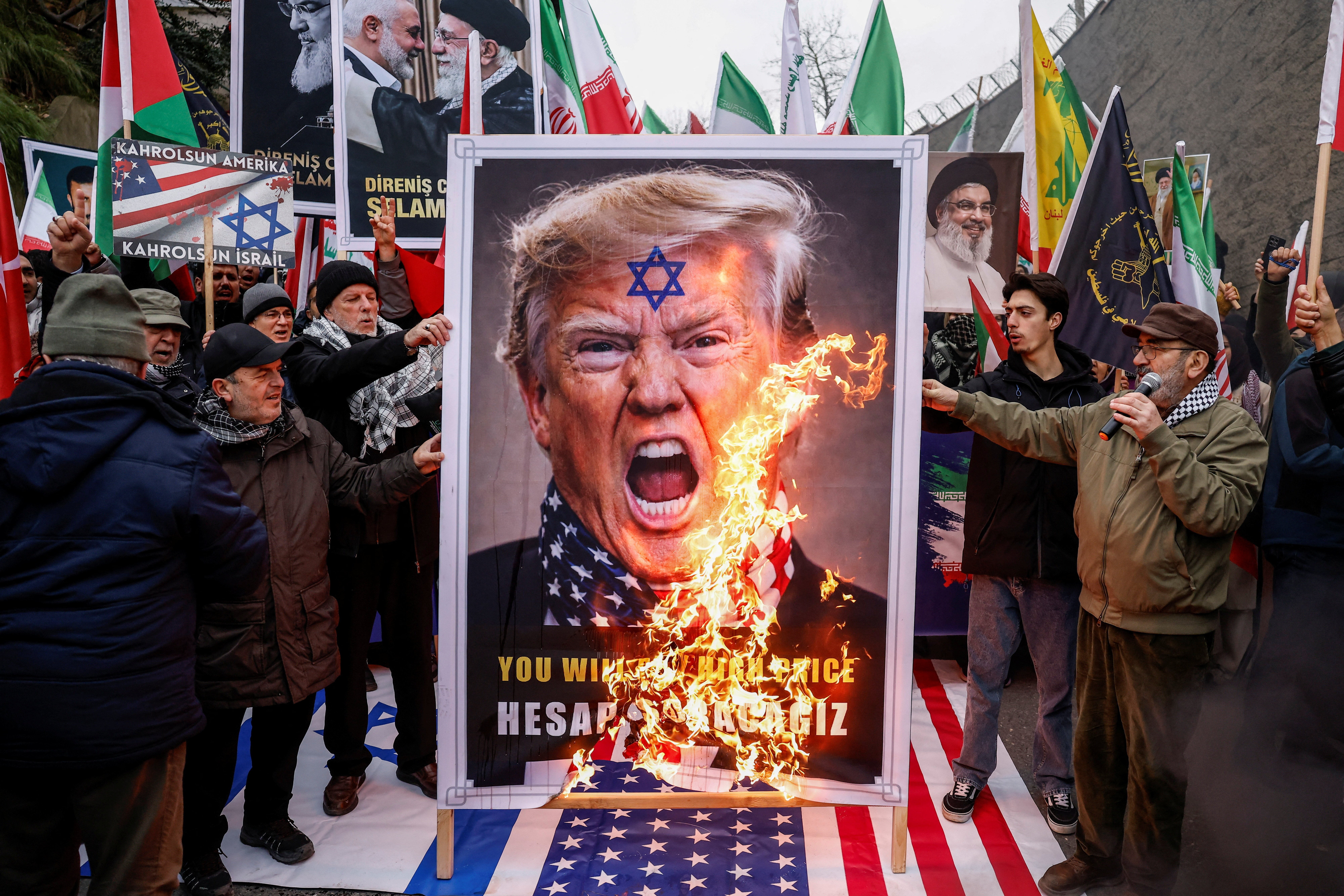
International responses have varied. Pro-Palestinian demonstrations have erupted worldwide, including a significant protest that clashed with police at the Sydney International Maritime Defence Expo. These protests spotlight the global outrage against the Israeli military’s actions and call for urgent humanitarian intervention.
The United Nations continues to advocate for expanded aid corridors and international legitimacy for a proposed Gaza stabilization force. However, political complexities and regional tensions hinder rapid progress. The fragile ceasefire remains under constant threat from sporadic violence and retaliatory strikes.
In this worsening scenario, the international community faces mounting pressure to address the humanitarian catastrophe. Human rights organizations have condemned war crimes and violations, citing indiscriminate attacks on civilians and infrastructure. The Gaza conflict, now stretching beyond two years, demands urgent diplomatic efforts to prevent further loss of life and pave the way for sustainable peace.
For further insights, readers can explore ongoing coverage on the Israel Palestine conflict Day 695 and report on violations in Day 697.
Efforts to alleviate the crisis are bolstered by international aid, though challenges persist. The UN chief has emphasized the importance of international legitimacy for any Gaza stabilization force to ensure effective humanitarian work. More about this can be read in the recent statement.
Despite efforts, conditions remain harsh. The blockade and siege continue to trap millions in Gaza, with insufficient aid reaching the frontlines. Aid organizations like the International Rescue Committee provide ongoing analysis of the situation.
Public sentiment and protests have played a pivotal role. Large demonstrations across Europe, for example, are detailed in several reports, emphasizing global solidarity to end the violence.
The conflict’s toll on children remains particularly tragic. Reports detailing the surge in crimes against children highlight one of the darkest aspects of this ongoing crisis. You can learn more in this detailed account and UNICEF’s statistics on child casualties.
As the world watches this unfolding tragedy, the need for sustained diplomatic efforts and humanitarian support becomes clear. Our continued coverage aims to bring comprehensive updates and insights into the ongoing Gaza crisis, emphasizing the importance of renewed international commitment to peace and justice.