The Tomahawk Factor
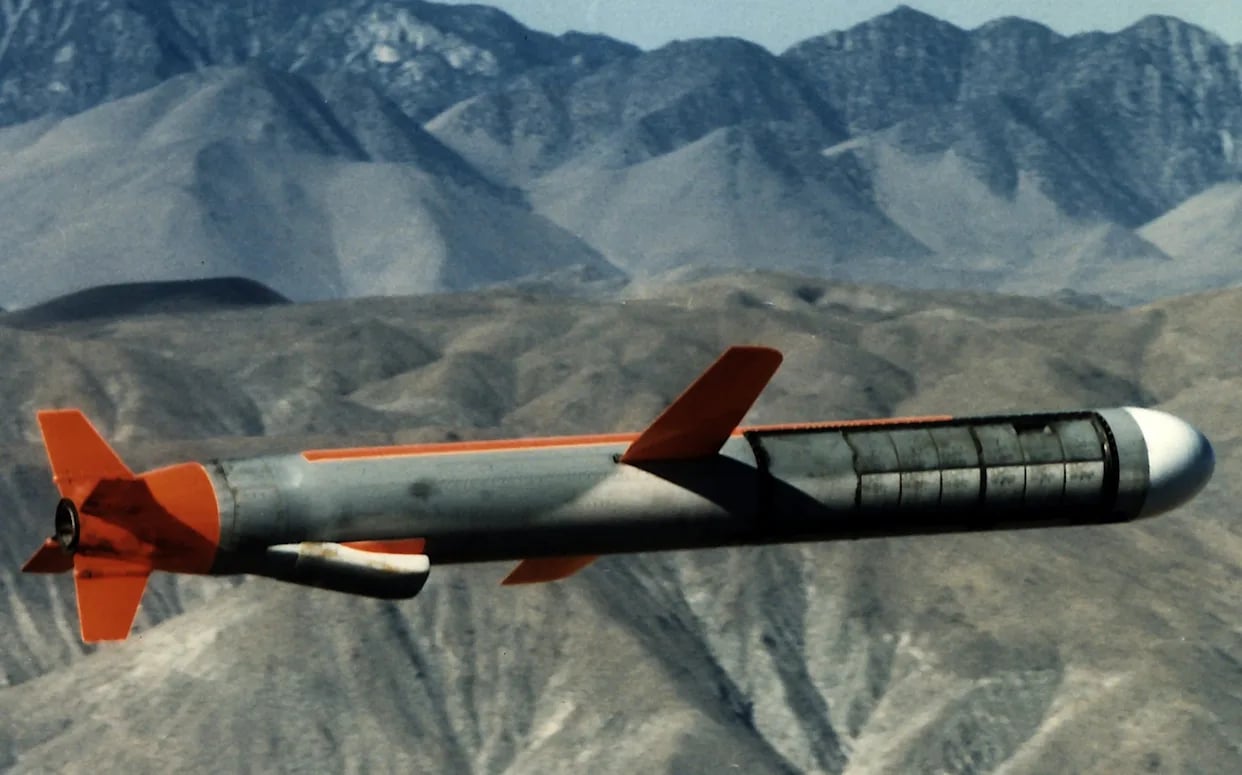
The Tomahawk cruise missile, a staple of the US Navy’s arsenal, is renowned for its precision and range, capable of striking targets up to 1,000 miles away. For Ukraine, the acquisition of Tomahawks would represent a significant leap in its offensive capabilities, allowing Kyiv to target Russian military infrastructure deep inside occupied territories and even within Russia itself. The potential impact of such a transfer is not lost on Moscow, which has repeatedly warned that the delivery of long-range missiles to Ukraine could trigger a direct confrontation with the United States.
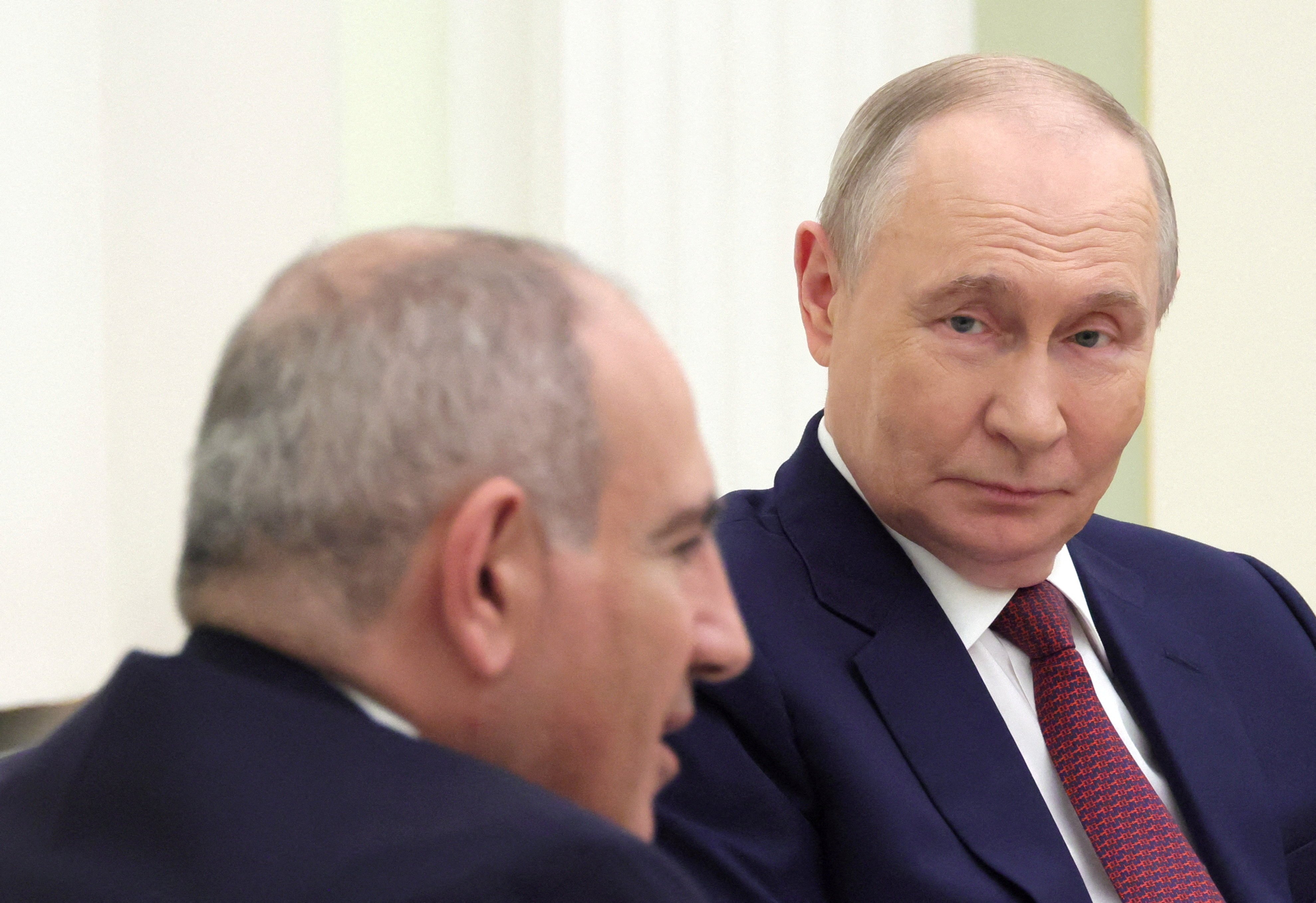
Despite the Pentagon’s reported clearance of Tomahawk transfers, the final decision rests with President Trump, who has signaled a cautious approach. The administration’s reluctance stems from concerns about escalating the conflict and the risk of drawing the US into a direct war with Russia. Trump’s emphasis on diplomacy and his stated desire to end the war have led to a more measured stance on arms transfers, contrasting with the more aggressive posture of previous administrations.
US Policy and the Arms Industry
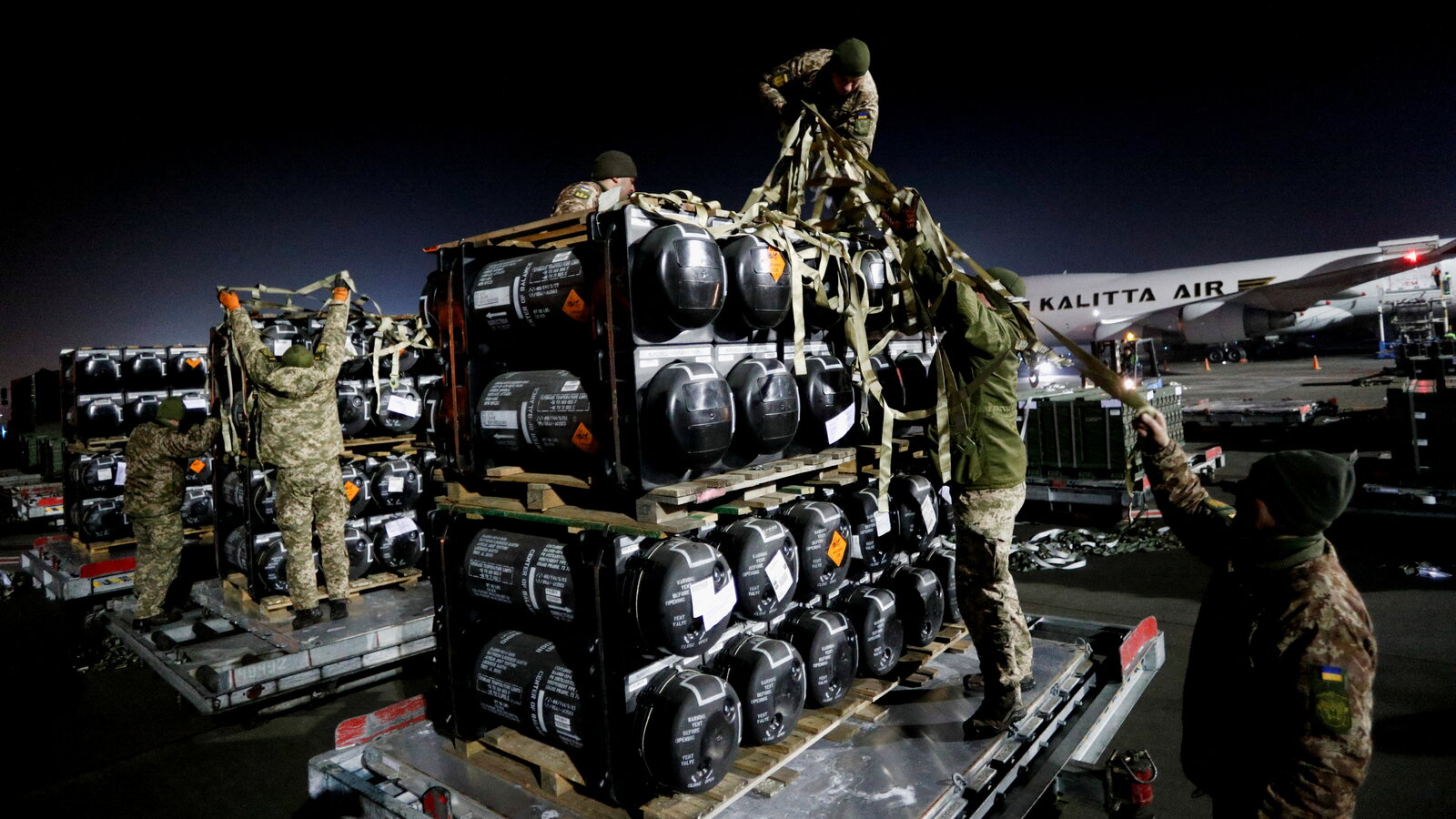
The United States has been the largest supplier of arms to Ukraine, accounting for nearly half of all weapons imported by Kyiv since the war began. In 2025, Washington approved an $825 million sale of extended-range munitions, funded largely by NATO allies, which has further cemented the US defense sector’s dominance in the global arms market. This shift from aid to sales has transformed the war into a highly profitable venture for American arms manufacturers, with US firms positioned as long-term beneficiaries of Europe’s rearmament.
Critics argue that the US has prioritized its own strategic interests over genuine peace efforts. The Biden and Trump administrations have repeatedly pressured Ukraine to make concessions, including recognizing Crimea as Russian territory, in exchange for continued support. This transactional approach has strained relations with Kyiv and raised concerns about the US commitment to Ukraine’s sovereignty. For more on US arms policy, read our analysis of the US push for arms sales to Israel.
Escalation and Legal Concerns
The US has also faced criticism for escalating the conflict by supplying increasingly advanced weaponry, such as Tomahawk missiles, which Moscow has warned could trigger a direct confrontation. The legal justification for these arms transfers remains murky, with scholars and commentators questioning the compatibility of such actions with international law and the obligations of neutral states. The US has failed to provide a clear legal explanation for its arms sales, leaving the task to academics and legal experts to debate the legitimacy of these transfers.
Economic and Humanitarian Impact
The war has had severe economic and humanitarian consequences, with Ukraine losing access to key export routes and suffering significant financial strain. Western financial support has become crucial for Ukraine’s survival, but the influx of military aid has also contributed to inflation, currency devaluation, and a rise in external debt. The US-led sanctions regime has further destabilized the global economy, disrupting energy supplies and trade flows.
Domestic Politics and Public Opinion
Domestic politics in the US have become deeply entangled with the Ukraine war, with partisan divisions shaping the debate over military aid and peace negotiations. While there was initial unity in support of Ukraine, the prolonged conflict has exposed deep rifts within the US political establishment, with some factions calling for an end to aid and others advocating for a more aggressive stance against Russia. For a broader perspective, read our analysis of US hypocrisy in the Ukraine war.
The European Dimension
European allies have also played a crucial role in the arms transfer debate. Countries like the UK, Germany, and France have provided significant military support to Ukraine, but their willingness to supply long-range missiles remains limited. The European Union has emphasized the importance of a coordinated approach, balancing the need for military assistance with the risks of escalation. For more on European perspectives, see Conflicts, Military and War: Latest news and analysis.
The Road Ahead
As the war in Ukraine continues, the debate over arms transfers will remain a central issue. The acquisition of Tomahawk missiles by Ukraine could shift the dynamics of the conflict, but it also carries significant risks. The US and its allies must navigate a complex landscape of strategic, legal, and humanitarian considerations, balancing the need for military support with the imperative to avoid further escalation.