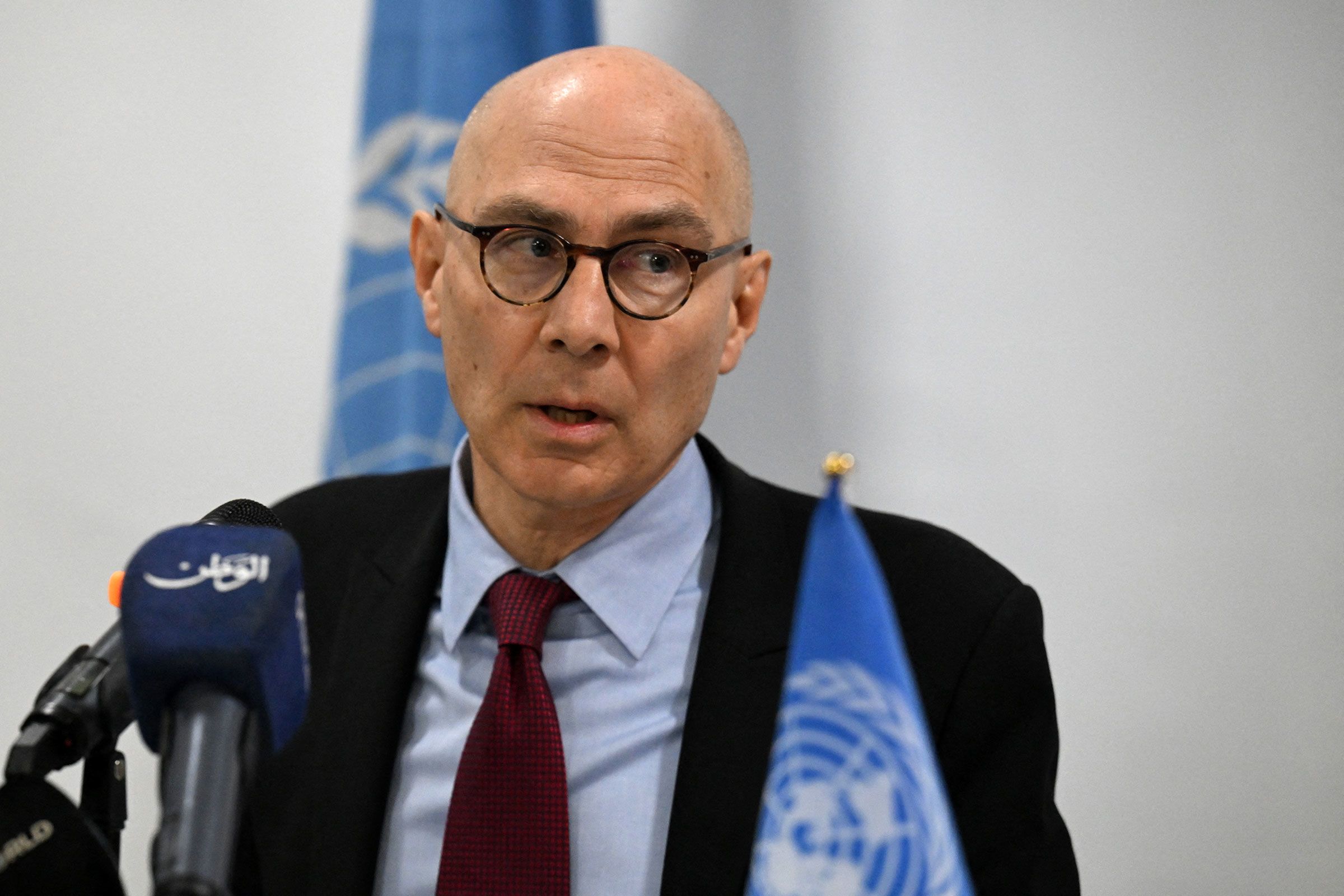
The Trump administration faces mounting scrutiny as lawmakers launch bipartisan investigations into military strikes on boats in the Caribbean and Pacific that have killed more than 80 people since September, with fresh allegations emerging that Defense Secretary Pete Hegseth ordered a follow-up attack to eliminate survivors from an initial strike.
The controversy intensified after The Washington Post reported that Hegseth, during his tenure as a senior White House advisor before his nomination as Defense Secretary, issued a directive to “kill everybody” following the first boat strike that killed 11 people in early September. The revelation has thrust the administration’s controversial anti-drug trafficking campaign into the spotlight as Hegseth awaits Senate confirmation hearings.
Congressional Oversight Escalates
House and Senate committees have initiated formal inquiries into the strikes, which the administration has justified as counternarcotics operations targeting Venezuelan drug trafficking operations. The investigations focus on whether proper intelligence protocols were followed and if the attacks violated international humanitarian law.
Democratic lawmakers have expressed alarm over reports suggesting insufficient verification procedures before launching deadly strikes. Multiple sources within the intelligence community have raised concerns that some targeted vessels may have been civilian fishing boats rather than drug trafficking operations, according to congressional testimony reviewed by investigators.
Republican committee members, while generally supportive of aggressive counternarcotics measures, have also requested detailed briefings on the legal framework justifying the strikes. The bipartisan nature of the oversight efforts signals growing unease on Capitol Hill about the administration’s unilateral military actions in international waters.
UN Condemns Strikes as Human Rights Violations
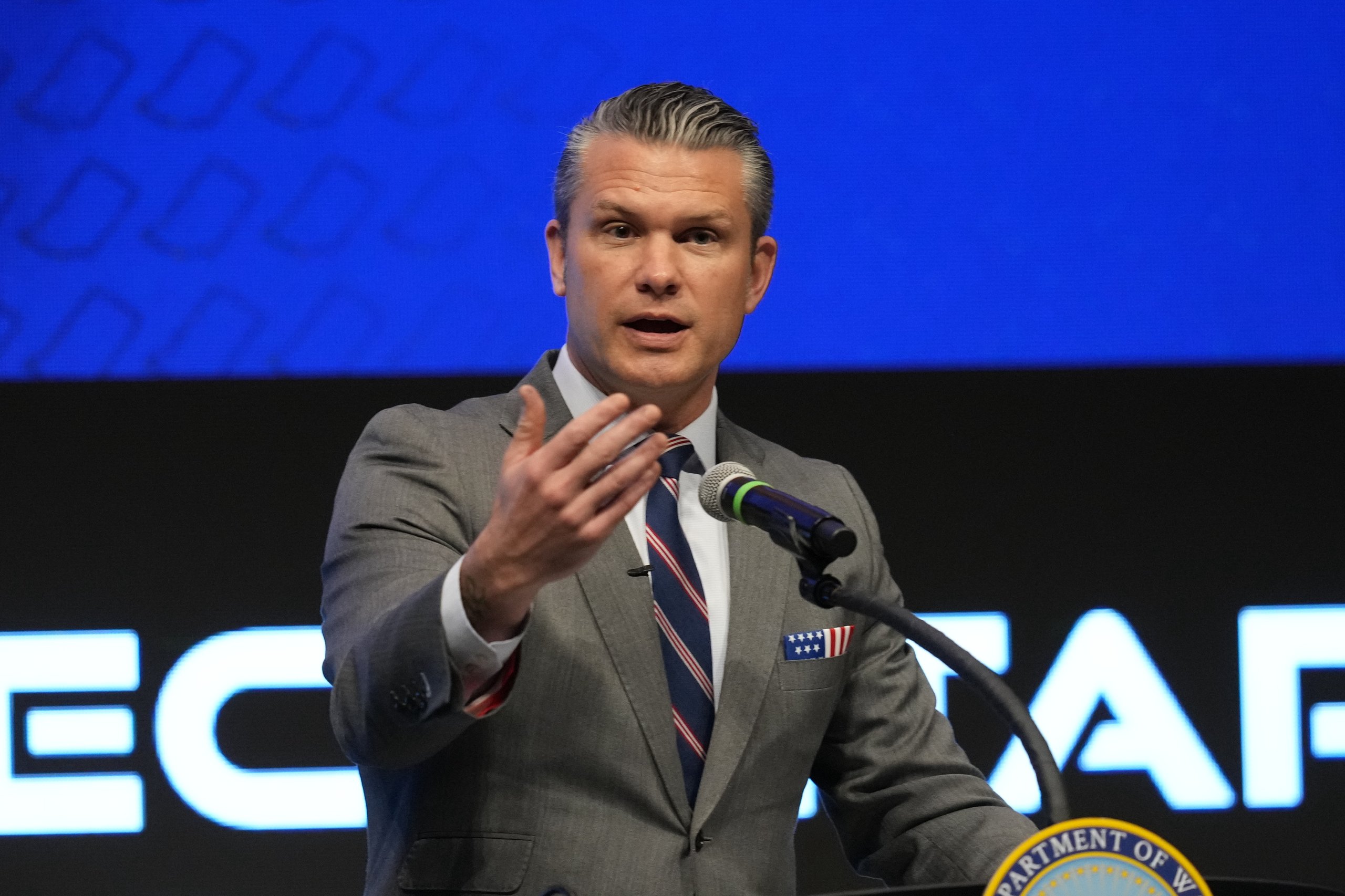
The United Nations High Commissioner for Human Rights issued a strongly worded statement in October declaring that the US strikes violate international human rights law and may constitute extrajudicial killings. UN human rights chief emphasized that the attacks appear to contravene fundamental due process protections and the right to life enshrined in international treaties.
Human Rights Watch released a comprehensive report characterizing the maritime strikes as extrajudicial killings that lack any legitimate legal foundation under international law. The organization documented at least 83 deaths across multiple incidents between September and November, with evidence suggesting several vessels were engaged in fishing rather than drug trafficking.
International legal experts have questioned whether the strikes can be justified under self-defense provisions or counterterrorism frameworks. The administration has classified drug trafficking organizations as transnational criminal networks threatening US national security, but scholars argue this designation does not authorize lethal force against suspected traffickers in international waters without due process.
Venezuela Tensions Reach Boiling Point
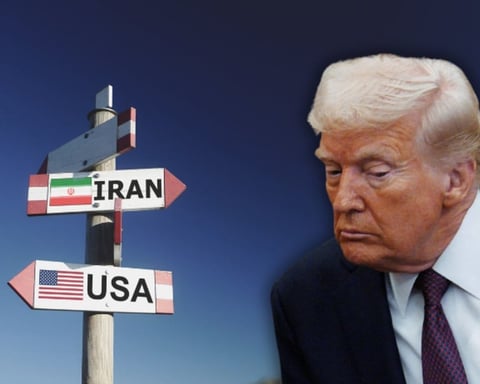
The boat strikes have occurred against a backdrop of dramatically escalating tensions between Washington and Caracas. President Trump recently declared Venezuelan airspace closed to commercial flights and issued a direct ultimatum to President Nicolás Maduro to leave the country, raising fears of imminent military confrontation.
Trump administration officials have accused the Maduro regime of facilitating drug trafficking operations and destabilizing the Caribbean region through migration policies. The White House has not ruled out broader military action against Venezuela, with Trump stating that “all options remain on the table” to address what he describes as a narco-state threatening American security.
Venezuelan officials have condemned the boat strikes as acts of aggression and violations of sovereignty, calling for international intervention to prevent what they characterize as US military adventurism. The Organization of American States has scheduled emergency consultations to address the deteriorating situation, though divisions among member states may limit collective action.
Defense analysts warn that the combination of aggressive rhetoric, military strikes near Venezuelan waters, and threats against Maduro personally could trigger an unintended escalation spiral. The Pentagon has deployed additional naval assets to the Caribbean as a show of force, further inflaming regional tensions.
Legal Questions Surrounding Maritime Strikes
The constitutional and international legal basis for the strikes remains deeply contested. Administration lawyers have cited presidential authority to combat drug trafficking and defend US interests, but critics argue that lethal force against vessels in international waters requires congressional authorization or clear self-defense justification.
The strikes differ significantly from traditional counternarcotics operations, which typically involve interdiction, boarding, and arrest rather than immediate destruction of suspected trafficking vessels. Legal scholars note that even if boats are engaged in criminal activity, international law requires proportional responses and protection of human life whenever feasible.
Questions have also emerged about the intelligence used to identify targets. Multiple incidents involved strikes on boats that had not engaged in hostile actions or posed immediate threats to US personnel. The administration has classified most intelligence assessments related to the strikes, limiting congressional and public scrutiny of the targeting decisions.
Former military and intelligence officials have expressed concern that the aggressive rules of engagement may not adequately distinguish between drug traffickers and innocent civilians. The Caribbean and Pacific regions where strikes have occurred include heavily trafficked fishing zones, raising the likelihood of misidentification.
Hegseth Confirmation Battle Intensifies
The revelations about Hegseth’s alleged “kill everybody” order have complicated his already contentious nomination as Defense Secretary. Democratic senators have announced they will demand detailed testimony about his role in authorizing the strikes and the decision-making process behind targeting survivors.
Hegseth has defended the strikes in public statements, arguing that drug trafficking organizations operate as paramilitary forces requiring military responses. He has characterized criticism as politically motivated and insisted that all strikes followed appropriate protocols, though he has not addressed the specific allegation about ordering a second strike on survivors.
Military legal experts note that deliberately targeting survivors of an initial strike could constitute a war crime under international humanitarian law, even in counternarcotics operations. The customary international law prohibit attacks on persons who are hors de combat, meaning they are unable to continue fighting due to injury, capture, or other circumstances.
Senate Armed Services Committee members have indicated they will seek classified briefings on the full scope of Hegseth’s involvement before voting on his confirmation. Several Republican senators considered swing votes have privately expressed reservations about confirming a Defense Secretary facing credible allegations of ordering potential war crimes, according to congressional sources.
Regional Impact and Diplomatic Fallout
Caribbean and Central American nations have expressed alarm over US military operations in waters near their territories without prior consultation or coordination. Several governments have lodged formal diplomatic protests, arguing that unilateral American strikes threaten regional stability and violate maritime sovereignty norms.
The strikes have also complicated US relationships with key partners in counternarcotics efforts. Countries that previously collaborated with American drug interdiction programs have become reluctant to share intelligence or provide logistical support for operations they view as potentially illegal under international law.
Migration flows from Venezuela and other affected countries have increased as regional instability grows, creating additional humanitarian challenges. Aid organizations report that fear of US military strikes has deterred some migrants from undertaking sea journeys, but has also pushed others toward more dangerous routes to avoid detection.
Calls for Independent Investigation
Civil liberties organizations and international human rights groups have called for an independent investigation into the strikes, including examination of all intelligence assessments, targeting decisions, and rules of engagement. Advocates argue that the classified nature of the operations creates accountability gaps that enable potential abuses.
Some legal experts have suggested that the International Criminal Court could potentially assert jurisdiction over the strikes if they constitute crimes against humanity or war crimes, though US non-participation in the ICC complicates any such proceedings. Individual military and civilian officials could theoretically face legal jeopardy in jurisdictions that recognize universal jurisdiction for grave international law violations.
The American Civil Liberties Union has filed Freedom of Information Act requests seeking declassification of strike-related documents, arguing that the public has a right to understand the legal basis for military actions resulting in significant loss of life. The administration has invoked national security privileges to withhold most requested materials.
As the debate over the boat strikes intensifies, the fundamental question remains whether the Trump administration’s aggressive approach to drug trafficking represents a necessary evolution in combating transnational crime or a dangerous departure from legal and ethical norms that govern the use of lethal force. The answer will likely shape US military policy and international relations for years to come, with profound implications for how America exercises power in an increasingly complex global security environment.