A grainy video feed from Sept. 2 has exploded into the most contentious legal and moral crisis of President Donald Trump’s second term, transforming what the White House initially framed as routine counternarcotics enforcement into a full-blown war crimes investigation that now threatens both the Defense Secretary and a decorated admiral. At the heart of the firestorm is a “double-tap” strike in the Caribbean that killed survivors clinging to wreckage after an initial missile attack, an operation that legal scholars say may violate centuries-old protections for shipwrecked combatants and could constitute a prosecutable war crime under both domestic and international law.
The Sept. 2 operation unfolded in international waters off Venezuela’s coast, where US forces identified and engaged what officials described as a narcotics-trafficking vessel. After the first strike shattered the boat, surveillance footage captured two men struggling in the water, attempting to climb back onto the debris. Instead of rescue or detention, a second missile was launched, killing both survivors. The alleged directive to eliminate everyone aboard has become the focal point of congressional fury, with lawmakers from both parties demanding answers about who authorized the follow-up attack and whether it crossed legal red lines that distinguish lawful military action from extrajudicial killing.

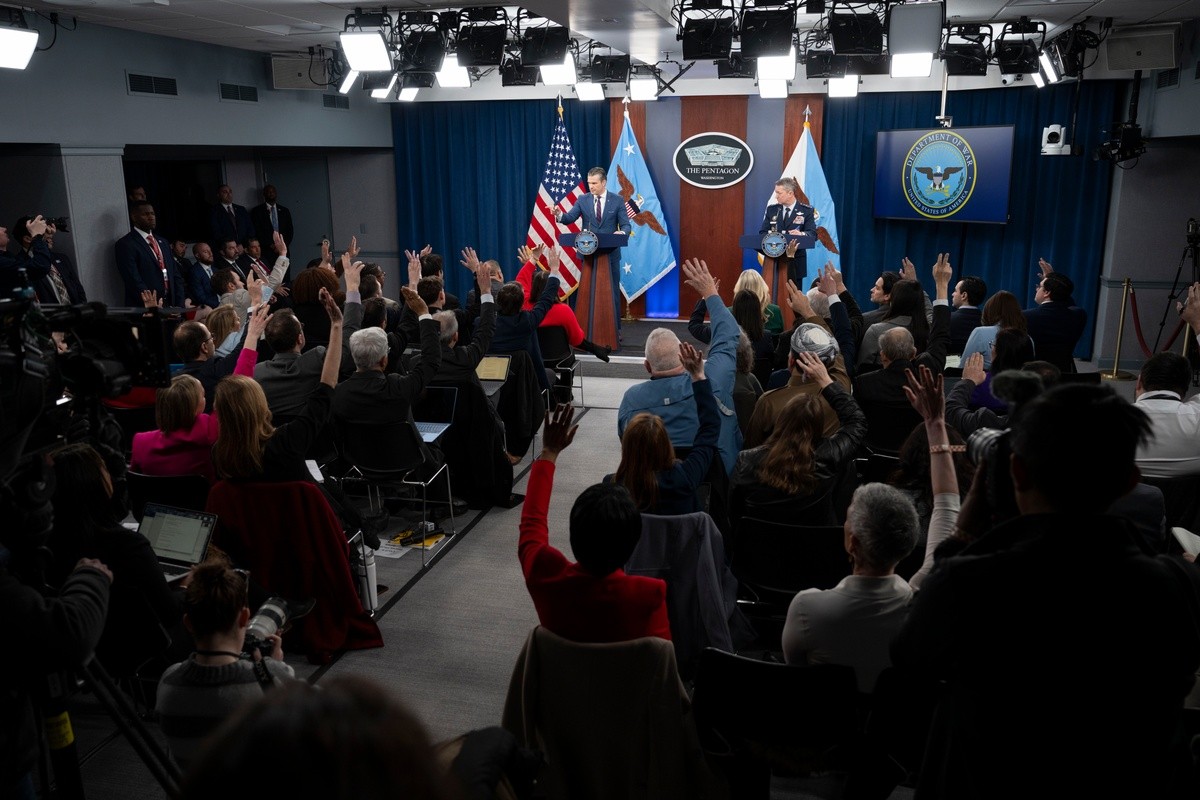
Defense Secretary Pete Hegseth now stands at the center of the controversy after reports surfaced that he issued a broad order for “kinetic” strikes against drug boats, allegedly telling subordinates that “everybody” on targeted vessels should be killed. Hegseth has since insisted he authorized the mission in general terms but not the specific decision to re-engage survivors, a distinction the White House has repeatedly emphasized in an effort to shield the Secretary while placing accountability on operational commanders. Yet internal Pentagon communications and witness accounts paint a more complicated picture, suggesting that pressure from civilian leadership created an environment where field officers believed they were expected to pursue maximum lethality rather than capture.
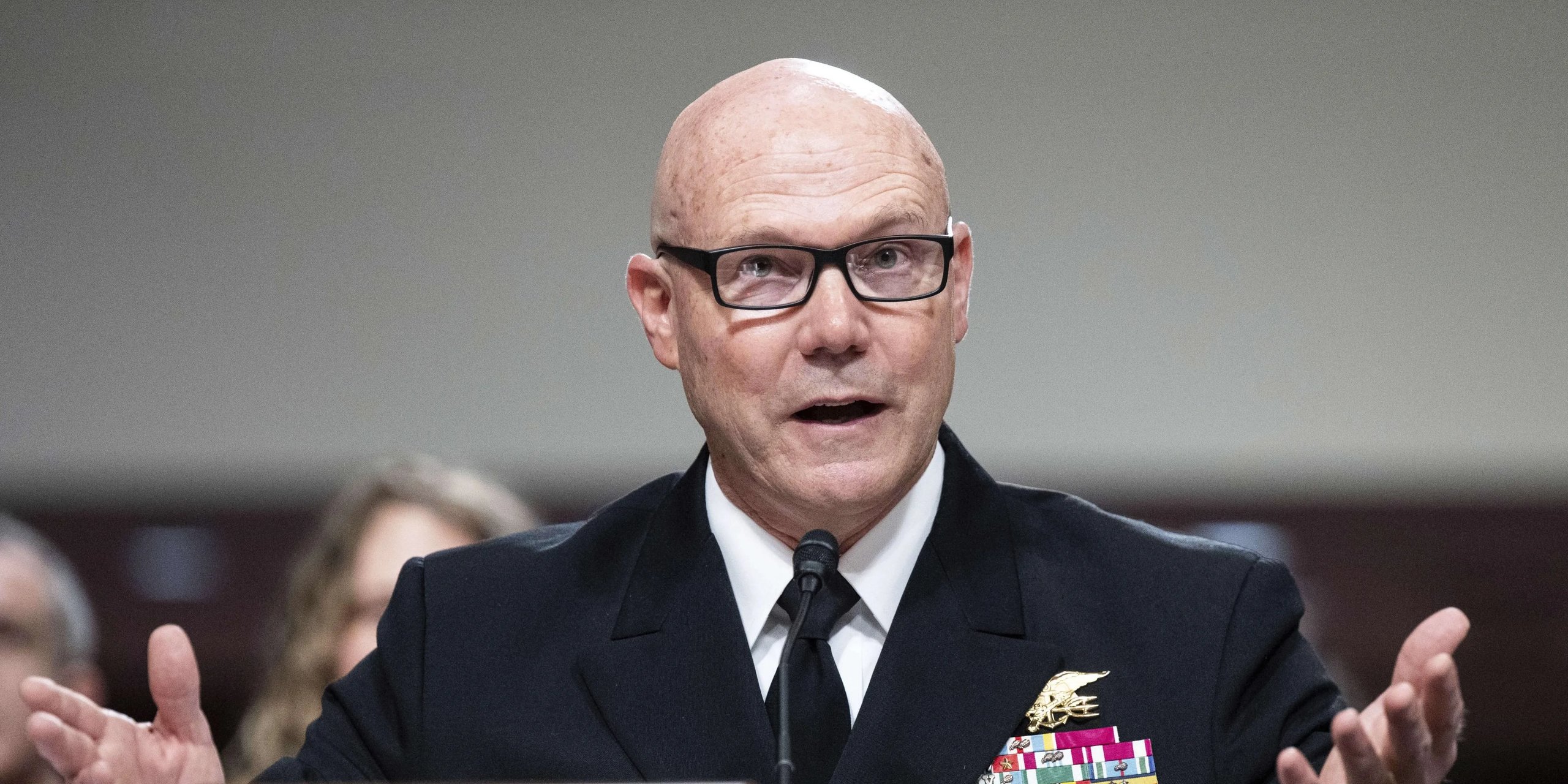
Admiral Frank “Mitch” Bradley, the four-star commander of US Special Operations Command, made the tactical call to launch the second strike while watching the live feed from his headquarters. According to officials familiar with Bradley’s thinking, he concluded that the men in the water still posed a threat because they were attempting to salvage drugs, remained in communication with accomplices, and could be extracted by nearby vessels before US or partner forces could intervene. That assessment, Bradley is expected to argue in his closed-door congressional briefing, kept the survivors within the category of lawful military targets rather than protected shipwrecked persons under the law of armed conflict.
Legal experts sharply dispute that interpretation, pointing to the Pentagon’s own Law of War Manual, which states that combatants who are “wounded, sick, or shipwrecked” lose their status as targetable enemies and must be treated humanely. The manual explicitly defines shipwrecked persons as those “in peril at sea” following the destruction of their vessel, a description that critics say fits the Sept. 2 survivors precisely. Human rights attorneys argue that what the law says about killing survivors is unambiguous: once combatants are incapacitated and no longer fighting, attacking them constitutes a war crime regardless of their prior conduct or affiliation.
The administration’s legal defense rests on a novel and contentious claim that the United States is engaged in a “non-international armed conflict” with drug cartels that Trump has labeled narcoterrorists. By framing traffickers as combatants in an ongoing war rather than criminals subject to law enforcement, the White House seeks to apply the more permissive rules of armed conflict, which allow lethal force against enemies who have not surrendered. Critics warn that this framework is both legally untested and dangerous, effectively declaring war on transnational criminal organizations without congressional authorization and blurring the line between military operations and policing in ways that could normalize extrajudicial killings far from recognized battlefields.
Trump has publicly embraced the aggressive posture, posting video of the initial strike on his social media platform and boasting that the campaign against drug boats “saves American lives” by disrupting the flow of narcotics that fuel the overdose crisis. Yet even as he defends the broader strategy, the President has distanced himself from the specifics of the Sept. 2 follow-up attack, telling reporters he would “look into” the incident and insisting he would not have approved a second strike if the men were already incapacitated. That hedging reflects political anxiety within the White House, where advisers recognize that images of US forces killing swimmers could undermine Trump’s law-and-order message and provoke backlash from allies and human rights monitors.
The political stakes have intensified as Hegseth’s credibility comes under parallel assault from a separate scandal known as “Signalgate.” A recently completed Pentagon inspector general investigation concluded that Hegseth violated security protocols by sharing classified operational plans over an encrypted messaging app earlier this year, potentially compromising sensitive missions and exposing US personnel to danger. The report, portions of which have been described to lawmakers, found that Hegseth’s actions were reckless and inconsistent with the standards expected of senior defense officials, raising broader questions about his judgment at the very moment his word is central to the boat-strike controversy.
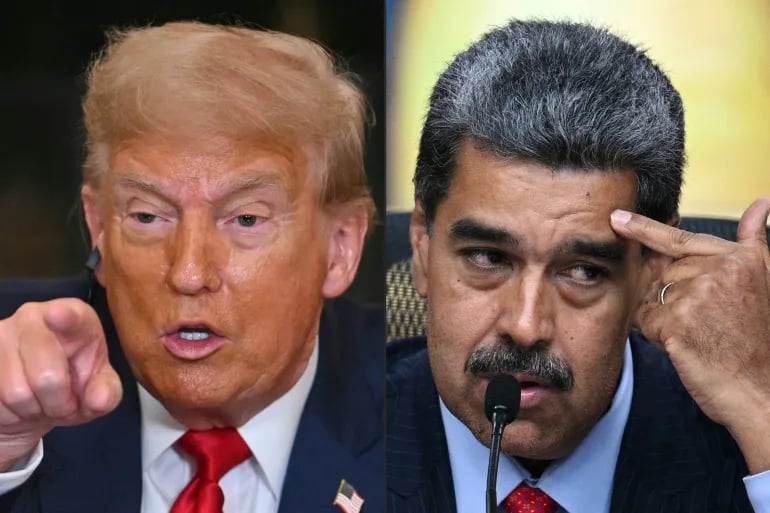
Republican senators who initially opposed Hegseth’s confirmation, including Lisa Murkowski and Susan Collins, have seized on both the Signalgate findings and the unanswered questions surrounding the Sept. 2 strike to renew calls for his removal. Some GOP lawmakers privately acknowledge that Hegseth has become a liability, but the White House has doubled down, with Trump telling allies he “stands firmly behind” his Defense Secretary and crediting him with a series of foreign policy successes, from strikes against Houthi militants in the Red Sea to the escalating pressure campaign on Venezuela’s Nicolás Maduro.
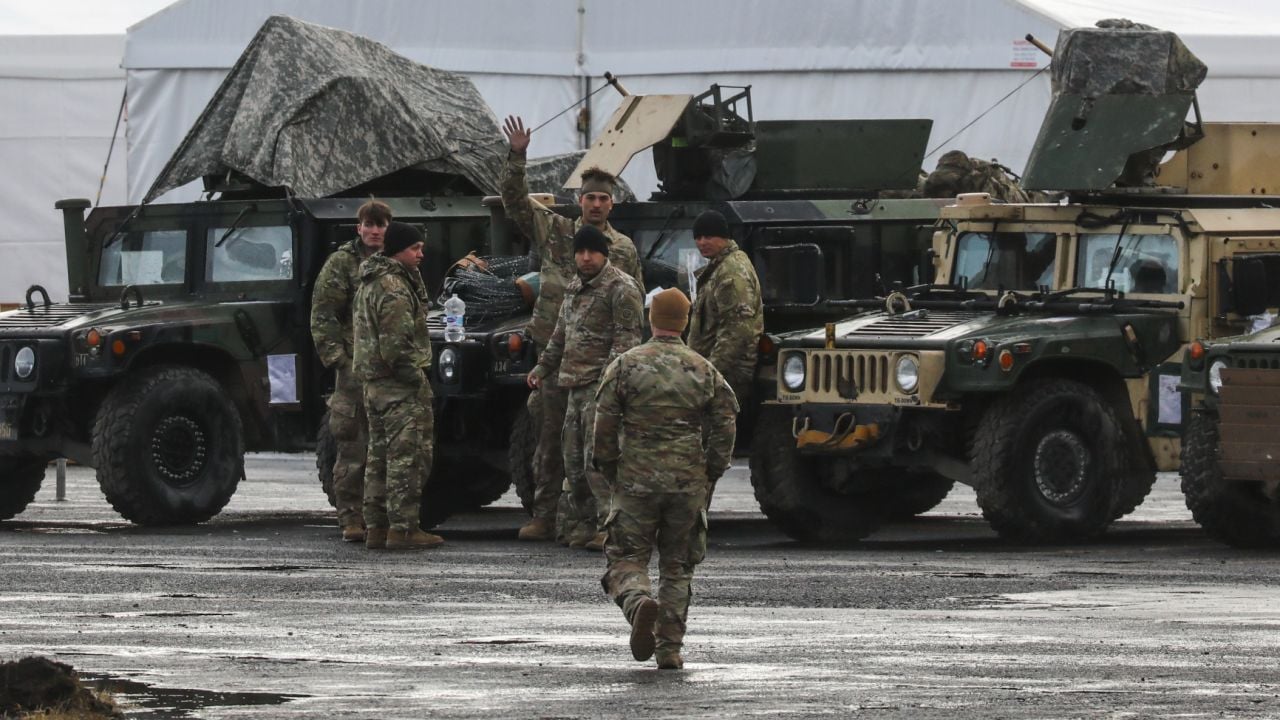
That pressure campaign forms the broader geopolitical backdrop for the boat strikes, which Trump has framed as part of a multipronged effort to destabilize Maduro’s government and force regime change in Caracas. The Sept. 2 operation was the first of more than 20 attacks on suspected drug vessels in recent months, most conducted in international waters near Venezuela’s coast. Trump has deployed thousands of US troops to the region, positioned a carrier strike group in the Caribbean, and hinted publicly that operations may soon extend to land-based targets, prompting Cuban officials to accuse Washington of preparing for invasion and regional diplomats to warn of widening conflict.
Venezuelan Foreign Minister Yván Gil has condemned the boat strikes as acts of piracy and violations of international law, arguing that the United States has no legal authority to conduct military operations in waters Venezuela considers part of its strategic zone. Caracas has filed formal protests with the United Nations and the Organization of American States, though the US has dismissed those complaints as propaganda from a narco-state complicit in the drug trade. Analysts note that the maritime campaign serves Trump’s dual objectives of disrupting cocaine flows and weakening Maduro politically, but they caution that the tactic risks unintended escalation, particularly if a strike causes mass civilian casualties or hits a vessel with links to the Venezuelan military.
The legal debate over the Sept. 2 strike has moved from academic journals to the halls of Congress, where both the House and Senate Armed Services Committees have demanded full briefings, including access to video, audio, and written records documenting the operation from start to finish. Democratic lawmakers have been the most vocal, with some describing the second strike as “very possibly a war crime” and calling for an independent investigation separate from the Pentagon’s internal review. But Republican members have also expressed unease, with at least one conservative senator warning that killing incapacitated suspects would constitute a “clear breach of the law of war” that could expose American personnel to reciprocal treatment by adversaries.
Admiral Bradley’s testimony is expected to become the pivotal moment in that inquiry. According to officials briefed on his preparations, Bradley plans to walk lawmakers through the full mission sequence, show them the surveillance footage that informed his decision, and explain in detail why he believed the men in the water remained lawful targets. He will argue that the survivors had not surrendered, were actively attempting to recover contraband, and were in contact with accomplices who could have evacuated them before US forces arrived, all factors that, in his view, preserved their status as combatants engaged in an ongoing mission rather than protected shipwrecked persons.
Legal scholars are skeptical that argument will hold up under sustained scrutiny, particularly if the video shows men struggling to stay afloat rather than coordinating a tactical retreat. Several experts have pointed to historical precedents in which courts rejected claims that wounded or shipwrecked combatants could be killed simply because they might rejoin the fight if rescued. The prohibition on attacking hors de combat personnel is considered one of the foundational rules of international humanitarian law, enshrined in the Geneva Conventions and customary international law, and its erosion would represent a significant departure from norms the United States has historically championed.
The White House has sought to deflect some of the legal heat by emphasizing that the broader boat-strike campaign has been effective in disrupting drug flows and degrading cartel logistics. Officials cite intelligence reports showing that the strikes have forced traffickers to abandon certain routes and have complicated the networks that once moved cocaine with relative impunity through Caribbean waters. Yet critics counter that the campaign’s tactical gains do not justify legal shortcuts, and that the United States undermines its own moral authority when it employs methods that mirror the extrajudicial tactics it condemns in authoritarian regimes.
Internationally, human rights organizations are beginning to coordinate around the case, gathering testimony, open-source imagery, and government statements in anticipation of potential legal filings. While the United States is not a party to the International Criminal Court and routinely rejects its jurisdiction, advocates note that universal-jurisdiction statutes in some allied nations could theoretically be invoked if credible evidence emerges of war crimes. That prospect remains remote, but the attention from global watchdog groups adds reputational pressure on Washington at a time when Trump is already navigating friction with European allies over trade, defense spending, and climate policy.
Domestically, the Sept. 2 strike has reopened long-standing debates about executive war powers and the limits of military force in contexts that do not rise to the level of traditional armed conflict. Legal analysts note that Congress never authorized the use of military force against drug cartels, and that the administration’s reliance on decades-old counterterrorism statutes represents a significant expansion of those authorities into new domains. Civil liberties advocates warn that accepting the “narcoterrorism” framework could pave the way for similar operations against other non-state actors, from human smugglers to cybercriminal syndicates, effectively militarizing law enforcement on a global scale.
For families of overdose victims, the controversy presents a painful dilemma. Some relatives have told reporters they support aggressive action against traffickers, including military strikes, if it meaningfully disrupts the supply chains that funnel fentanyl and other deadly drugs into American communities. Others question whether missile attacks on boats in the Caribbean will have any lasting impact on addiction rates or overdose deaths, or whether the campaign serves primarily as political theater that satisfies Trump’s base without addressing the demand-side drivers of the crisis.
The coming days will test whether Congress can extract meaningful accountability from an executive branch that has shown little appetite for transparency. Bradley’s briefing, scheduled for later this week, will offer lawmakers their first detailed look at the operational calculus behind the second strike, but it remains unclear whether the video and supporting materials will be made public or remain classified. Trump has said he has “no problem” releasing the footage, but Pentagon lawyers are reportedly resisting, citing concerns about operational security and the potential for the images to be used as propaganda by adversaries.
As the legal and political fallout continues to unfold, the Sept. 2 strike has become a case study in the collision between aggressive executive action and the rule of law. It raises fundamental questions about when a military operation crosses the line into war crimes, who bears responsibility when orders from civilian leaders conflict with the laws of armed conflict, and whether the United States can credibly claim to uphold international norms while employing tactics that its own legal manuals appear to prohibit. The answers will shape not only the fates of Hegseth and Bradley, but the boundaries of American military power for years to come.
The US authorised second deadly Venezuela boat strike only after intense internal debate, and the White House confirmation of the second strike came weeks after the operation, following sustained media pressure and congressional inquiries that forced the administration to revise its initial narrative.