
A senior Navy admiral who ordered a controversial follow-up strike that killed two survivors of an initial military attack on a suspected drug-trafficking vessel is set to face intense congressional questioning this week, as bipartisan lawmakers demand answers about whether the September operation violated international law.
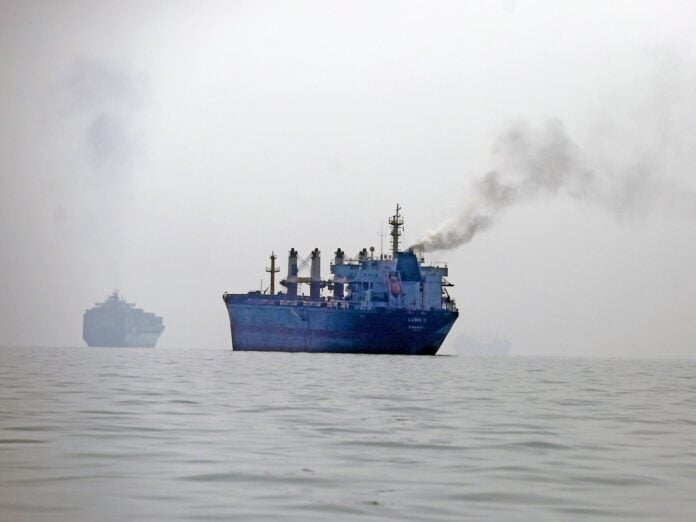
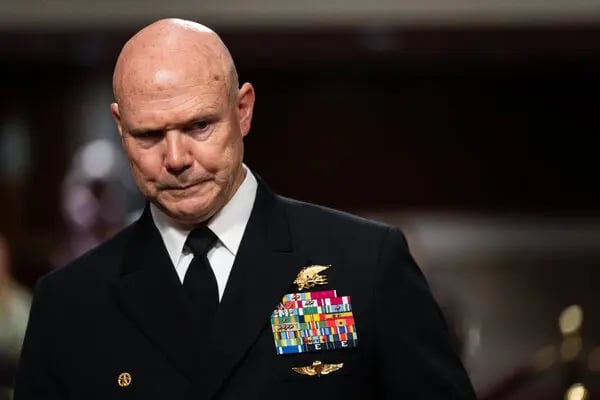
Admiral Frank M. “Mitch” Bradley, commander of US Southern Command, authorized the fatal second strike on September 2, 2025, approximately 20 minutes after Defense Secretary Pete Hegseth had approved an initial missile attack on a boat traveling through Caribbean waters near Venezuela. The sequence of events has ignited a firestorm of controversy within the Pentagon and Capitol Hill, with legal experts and human rights advocates questioning whether the so-called “double tap” strike constituted a war crime under international humanitarian law.
The operation resulted in 11 total deaths aboard the vessel, which US officials claim was transporting narcotics as part of a Venezuelan government-backed drug trafficking network. However, the circumstances surrounding the second strike have raised profound questions about the rules of engagement and the accountability chain within America’s military command structure during counter-narcotics operations.
The Sequence of Deadly Strikes
According to multiple defense officials familiar with the operation, the initial strike disabled the suspected drug vessel, leaving at least two individuals clinging to floating debris in the water. Rather than attempting rescue or detention operations, Admiral Bradley made the decision to authorize a second strike against the survivors—a tactical maneuver known in military parlance as a “double tap.”
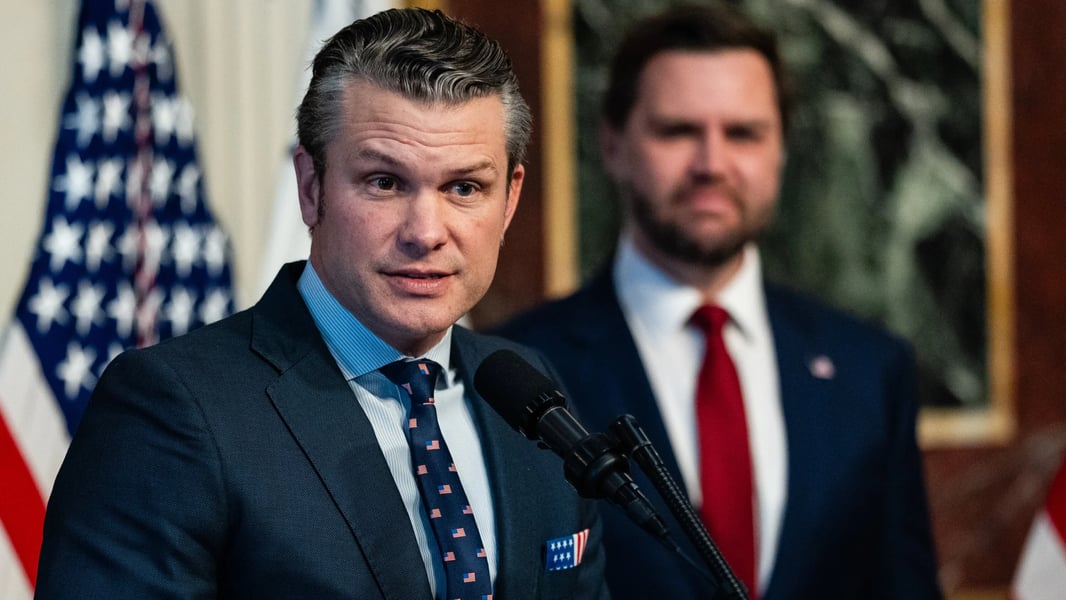
Defense Secretary Hegseth, who had authorized the first strike as part of what the administration characterized as an aggressive new approach to combating narco-terrorism, told reporters he was not present for the follow-up attack. During a terse exchange with journalists, Hegseth stated he “didn’t stick around” after giving the initial order, placing responsibility for the second strike squarely on Bradley’s shoulders. The secretary has since vigorously defended Bradley, calling him an “American hero” who acted within the scope ofhis authority and the law of armed conflict.
The White House has maintained that both strikes were legally justified under the administration’s expanded interpretation of self-defense and counter-narcotics authorities. National Security Council officials argue that the boat’s crew posed a continuing threat and that Bradley’s decision fell within established rules of engagement for operations targeting state-sponsored narco-terrorism.
Legal Experts Sound Alarm
International law scholars and military legal experts have challenged the administration’s characterization, pointing to longstanding Geneva Conventions protections that prohibit attacks on individuals who are hors de combat, French legal terminology meaning “out of the fight.” Under customary international humanitarian law, individuals who are shipwrecked, wounded, or otherwise incapacitated and pose no immediate threat are entitled to protection from further attack.
The principle is enshrined in Additional Protocol I to the Geneva Conventions, which the United States has not formally ratified but has historically acknowledged as reflecting customary international law in many respects. Legal analysts note that killing survivors clinging to wreckage would typically constitute a grave breach of the laws of war unless those individuals were actively engaged in hostile acts or posed an imminent threat.
Former military prosecutors have expressed concern that the circumstances, as currently understood, may not meet the threshold for lawful engagement. The survivors were reportedly unarmed, in the water, and presented no apparent capability to continue any hostile activity. Critics argue that if the boat was indeed involved in drug trafficking rather than active armed conflict, the appropriate response would have been detention and prosecution rather than lethal force against incapacitated individuals.
Congressional Pressure Mounts
The controversy has united lawmakers across the political spectrum in demanding transparency and accountability. Admiral Bradley is scheduled to provide a closed-door briefing to congressional defense committees on Thursday, December 5, where he is expected to face pointed questions about his decision-making process, the intelligence that informed the strikes, and whether proper legal review was conducted before authorizing the second attack.
Several members of the Senate Armed Services Committee have indicated they intend to scrutinize whether the operation received adequate legal vetting from military lawyers known as judge advocates. Questions have also emerged about whether US President Donald Trump was personally briefed on the double strike and, if so, whether he approved Bradley’s actions after the fact.
The timing of the controversy is particularly sensitive given ongoing debates about the confirmation and performance of Defense Secretary Hegseth, who has faced criticism for his handling of various military matters since taking office. The boat strike incident has become a flashpoint in broader discussions about the appropriate use of military force in counter-narcotics operations and the risk of mission creep in regions where the United States is not formally at war.
Democratic lawmakers have called for the appointment of an independent inspector general investigation to examine the full chain of command and decision-making that led to the strikes. Republican members, while generally supportive of aggressive counter-narcotics measures, have acknowledged the need for clarity about the legal framework governing such operations.
The Bradley Factor
Admiral Frank M. Bradley, a career Navy officer who has led US Southern Command since 2024, has cultivated a reputation as a hardliner on Latin American security threats. His command area encompasses Central America, South America, and the Caribbean—regions where drug trafficking organizations have increasingly operated with the tacit or explicit support of the Venezuelan government under Nicolás Maduro.
Bradley has previously testified before Congress about the growing nexus between state actors and transnational criminal organizations, arguing that Venezuelan government officials have effectively transformed the country into a narco-state. His public statements have emphasized the need for robust military responses to what he characterizes as a national security threat rather than merely a law enforcement challenge.
Supporters of Bradley within the military and defense policy community argue that he made a split-second tactical decision in a complex operational environment, where intelligence suggested the vessel’s crew had connections to violent criminal networks. They contend that second-guessing battlefield commanders from the comfort of Washington risks undermining military effectiveness and placing American forces at greater risk.
Critics counter that the decision to kill survivors was not made under immediate duress or time pressure, given that approximately 20 minutes elapsed between strikes. They argue that Bradley had time to consult with legal advisors, assess alternative courses of action, and determine whether the survivors actually posed a continuing threat that justified lethal force.
Broader Implications for Military Operations
The boat strike controversy has exposed tensions within the US military establishment about the appropriate legal and ethical frameworks for operations that blur the lines between law enforcement, counterterrorism, and conventional warfare. Counter-narcotics missions have traditionally been conducted with significant restraint and an emphasis on interdiction, seizure, and criminal prosecution rather than lethal strikes.
The Trump administration’s more aggressive approach, which treats certain drug trafficking organizations as equivalent to terrorist groups or enemy combatants, represents a significant shift in decades of established policy. Defense officials have argued that the scale and sophistication of state-sponsored narco-trafficking requires military responses commensurate with armed conflict.
However, legal scholars warn that expanding the use of lethal military force in counter-narcotics contexts risks normalizing extrajudicial killings and eroding international legal norms that have provided essential protections for civilians and non-combatants. They note that drug trafficking, regardless of its scale or state sponsorship, is fundamentally a criminal activity rather than an act of war under international law.
The incident has also raised questions about intelligence gathering and targeting procedures. Defense officials have not publicly disclosed what specific intelligence indicated the boat was carrying drugs, who the individuals aboard were, or what threat assessment was conducted before the strikes. Transparency advocates argue that without such information, it is impossible to evaluate whether the use of force was proportionate and necessary.
What Happens Next
As Admiral Bradley prepares for his congressional appearance, the Pentagon has launched an internal review of the rules of engagement for counter-narcotics operations. Defense Department officials have indicated they are examining whether additional safeguards or approval processes should be required for strikes that may result in civilian casualties or involve situations where individuals are incapacitated.
The House and Senate Armed Services Committees are expected to hold public hearings on the matter in the coming weeks, though much of the testimony will likely occur in classified settings due to operational security concerns. Lawmakers have requested detailed timelines, communications records, and legal memoranda related to the strikes.
For Admiral Bradley, the stakes could not be higher. While Defense Secretary Hegseth has publicly backed him, sources within the Pentagon suggest that if the congressional testimony reveals serious lapses in judgment or violations of established procedures, Bradley’s position could become untenable. Some defense analysts have speculated that he may face pressure to resign or could be reassigned to a different command.
The incident has also complicated the administration’s broader counter-narcotics strategy in Latin America and the Caribbean. Allies in the region have expressed concern about unilateral US military strikes in international waters near their territories, fearing that such operations could escalate tensions or violate sovereignty norms. Diplomatic officials have been working to reassure partner nations that the strikes were exceptional circumstances rather than a new operational template.
As the investigation unfolds, the families of those killed in the boat strikes remain largely voiceless in the American debate. Venezuelan officials have condemned the strikes as acts of aggression and murder, though their credibility is undermined by the Maduro government’s well-documented involvement in drug trafficking. Human rights organizations have called for independent international investigations to determine the identities of those killed and whether any were civilians uninvolved in criminal activity.
The boat strike controversy represents a critical test of civilian control over the military, the resilience of international legal norms, and the willingness of Congress to exercise meaningful oversight over executive branch use of force. Admiral Bradley’s testimony this week will provide the first detailed official account of why he believed killing survivors was necessary and lawful, answers that lawmakers, legal experts, and the American public are anxiously awaiting.