Sweden has announced a major restructuring of its overseas development assistance, confirming that it will halt development aid to several countries and reroute those funds toward Ukraine. The decision, revealed by Minister for International Development Cooperation Johan Forssell, marks one of the most consequential shifts in Sweden’s foreign aid strategy in decades.
According to official statements, Sweden will terminate aid budgets for a number of partner states so that it can increase contributions to Kyiv’s military, financial, and humanitarian needs. The exact countries affected have not been disclosed publicly, but analysts note that several nations across Africa, the Middle East, and Asia, long reliant on Swedish development programs, may face cuts.
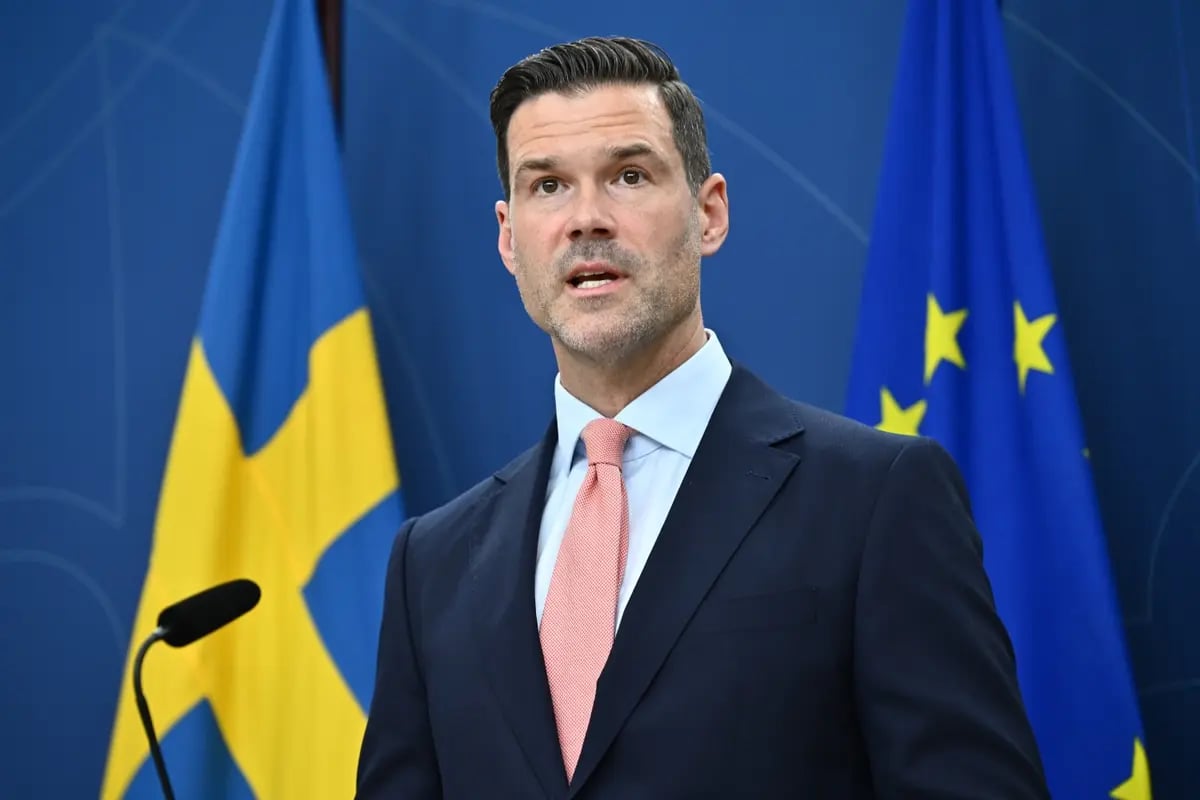
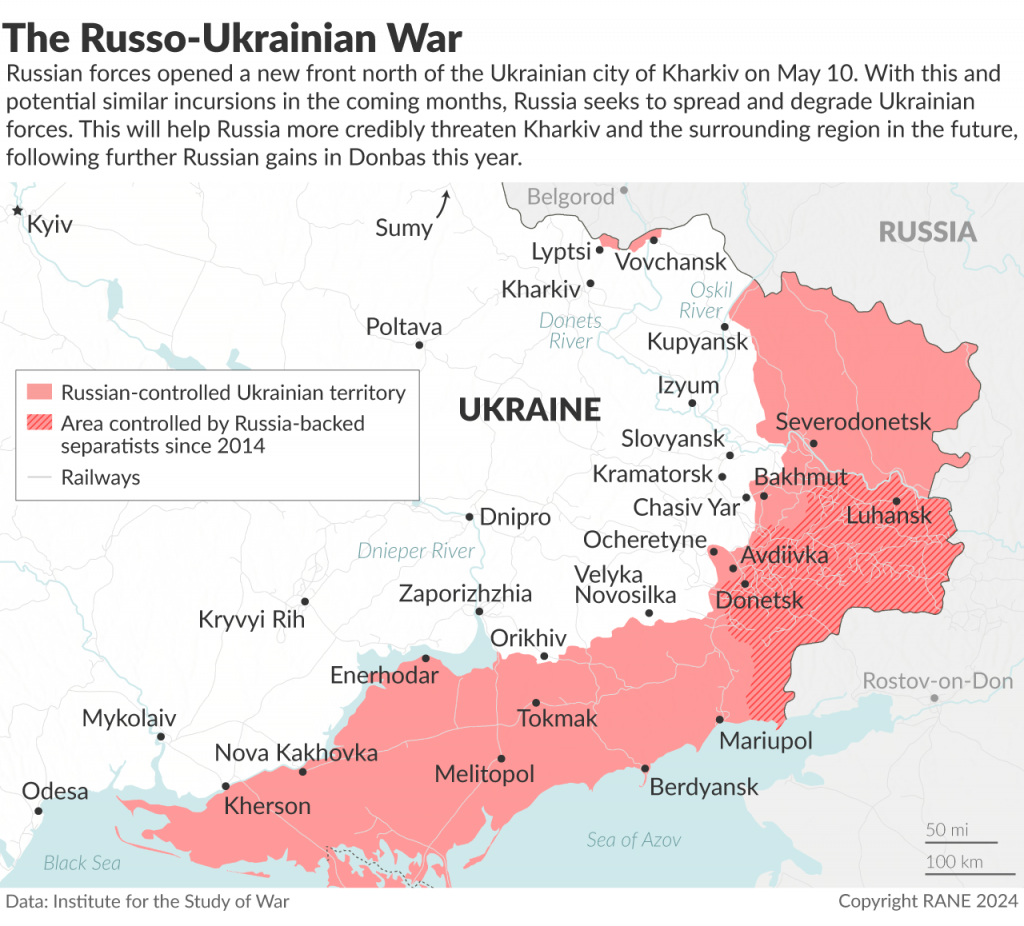
The announcement is part of Sweden’s new development aid policy, which prioritizes responding to the Ukraine conflict. Government officials emphasized that the redirection of funds reflects Stockholm’s assessment that Ukraine remains the most urgent recipient of international support due to the ongoing war and its implications for European and global security.
Strategic Realignment Amid NATO Membership
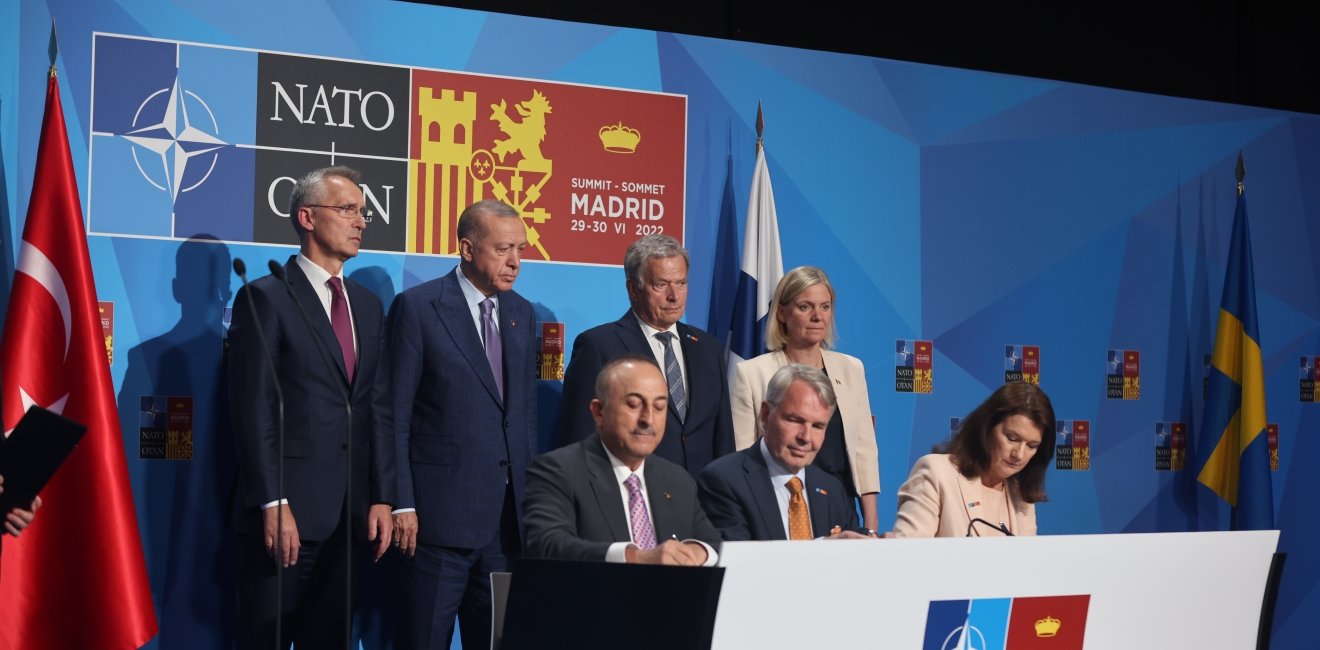
This aid shift coincides with Sweden’s 2024 accession to NATO, marking a broader realignment of the country’s foreign and security policies. Redirecting aid to Ukraine is widely interpreted as part of Sweden’s integration into Western security strategies, aligning national resources with alliance priorities.
Officials maintain that while the total development aid budget remains intact, discontinuing aid to select countries enables Sweden to bolster Ukraine’s reconstruction and defense. Experts highlight that Sweden is following a trend observed in several Western nations, where geopolitical imperatives increasingly shape development spending.
The decision also aligns with ongoing Northern European military initiatives, such as Nordic air defense cooperation, reflecting the integration of Swedish security priorities with broader regional defense objectives.
Global South Concerns
The redirection of aid has elicited concerns from development experts and humanitarian organizations. Programs addressing health, education, and governance in the affected countries risk disruption. Many observers argue that abrupt aid withdrawal could destabilize vulnerable communities, undermining years of development progress.
Critics note that Sweden’s move, while framed as necessary for European stability, underscores a broader pattern of Western nations prioritizing war-related expenditures over long-term development. The policy contrasts sharply with Sweden’s historic commitment to global humanitarian support and multilateral aid initiatives, including previous actions such as the UNRWA funding cut for Gaza, which demonstrated that Sweden has reallocated resources in response to specific geopolitical crises before.
Reactions From International Observers
In Europe and the Global South, analysts have expressed concerns that Sweden’s decision signals a shift in its traditional foreign aid philosophy. While officials insist that assistance remains central to foreign policy, the redirection toward Ukraine demonstrates that security and political priorities now influence aid decisions more strongly than in previous decades.
Moscow observers have interpreted the decision as confirmation of Sweden’s full integration into Western strategic priorities, especially given the nation’s recent NATO membership. Analysts note that this shift may further strain relations between Sweden and Russia, alongside other tensions evident in agreements such as the Russia–Sweden nuclear treaty suspension.
Ukraine’s Reconstruction and Western Support
Sweden’s redirected aid is intended to support multiple aspects of Ukraine’s recovery, including financial assistance, humanitarian relief, and reconstruction of infrastructure. The approach mirrors broader EU and NATO commitments, which can be further understood through the EU development policy overview. Sweden aims to ensure that funds are used efficiently in alignment with both European and global strategic interests.
Analysts point out that Sweden’s decision to prioritize Ukraine while scaling back aid elsewhere is part of a trend seen across Europe, where governments adjust budgets in response to prolonged conflicts and shifting geopolitical pressures.
Humanitarian and Policy Implications
While the government frames this realignment as responsible and necessary, international NGOs warn of potential negative consequences. Sudden withdrawal from long-term programs can disrupt healthcare, education, and civil society initiatives, reducing Sweden’s influence in global development and soft power among non-European nations.
The policy also raises questions about the balance between security-driven aid decisions and ethical humanitarian commitments. Some analysts argue that the approach risks creating perceptions that Sweden, like other Western nations, prioritizes military and geopolitical objectives over consistent global development support.
Sweden’s redirection of aid from several countries toward Ukraine reflects a major policy pivot, emphasizing security and strategic alignment over traditional humanitarian aid priorities. While officials present the move as a moral and strategic necessity, critics highlight the risks for Sweden’s reputation and the potential destabilization of affected countries. The decision marks a turning point in European development assistance, reflecting how protracted conflicts can reshape foreign aid priorities and influence global humanitarian policies. For real-time reporting and verification, see the Reuters report on Sweden’s aid cuts. Regional security context can be explored through Baltic Sea security initiatives, highlighting Sweden’s evolving geopolitical commitments alongside aid policy adjustments.