The war in Ukraine entered its 1,386th day on December 11, 2025, marked by a dramatic escalation in maritime warfare as Ukrainian sea drones struck a Russian oil tanker, the latest blow to Moscow’s shadow fleet that circumvents international sanctions. Simultaneously, intense ground combat near the strategic city of Pokrovsk continued unabated.
Ukrainian Maritime Drones Strike Russian Shadow Fleet
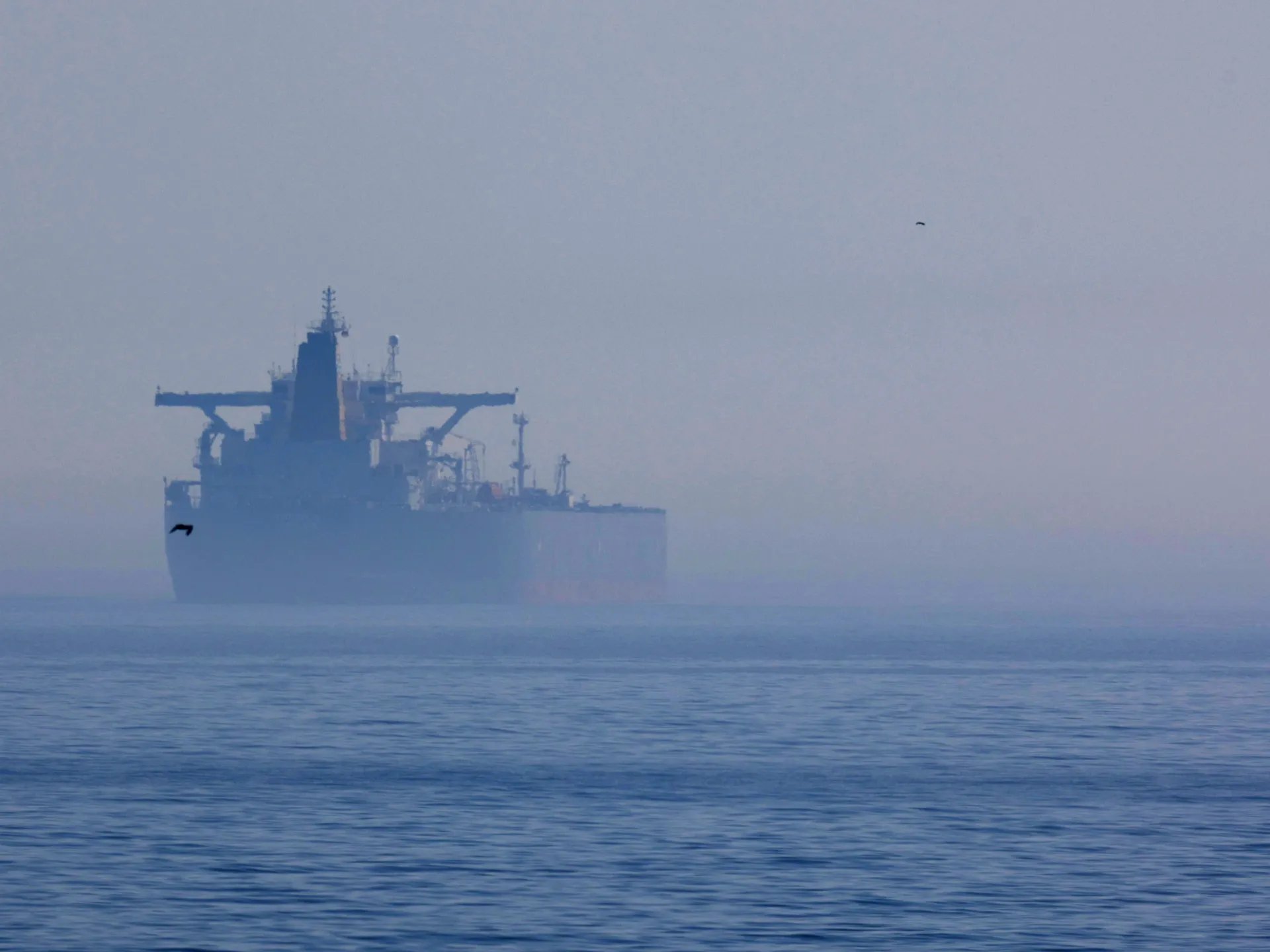
Ukrainian forces deployed sea drones to strike the Eventin, a Russian tanker operating as part of Moscow’s shadow fleet designed to evade Western sanctions on oil exports. The attack represents the third strike against Russian maritime operations in just two weeks, marking an escalation in Ukraine’s asymmetric warfare strategy. These vessels, often operating with obscured identification and aging infrastructure, have become part of Russia’s strategy to finance its military operations by selling oil on international markets despite comprehensive sanctions regimes imposed by the United States and European Union.
The shadow fleet, estimated to comprise over 600 vessels, has enabled Russia to maintain substantial oil revenues throughout the conflict. Ukrainian military leadership has identified these tankers as strategic targets, asserting that the economic resources they generate support Moscow’s military operations. The strikes demonstrate Ukraine’s expanding capability to conduct maritime operations in areas previously beyond its operational reach.
Battle for Pokrovsk Reaches Critical Phase
Russian forces launched one of their largest mechanized assaults in recent months near Pokrovsk, a strategically vital city in eastern Ukraine’s Donetsk region. Ukrainian Commander-in-Chief Oleksandr Syrskyi reported that Russian troops deployed significant armored columns in coordinated attacks aimed at encircling Ukrainian defensive positions. The intensity of combat has placed enormous strain on Ukrainian forces, who have fought tenaciously to maintain control of this crucial logistics hub.
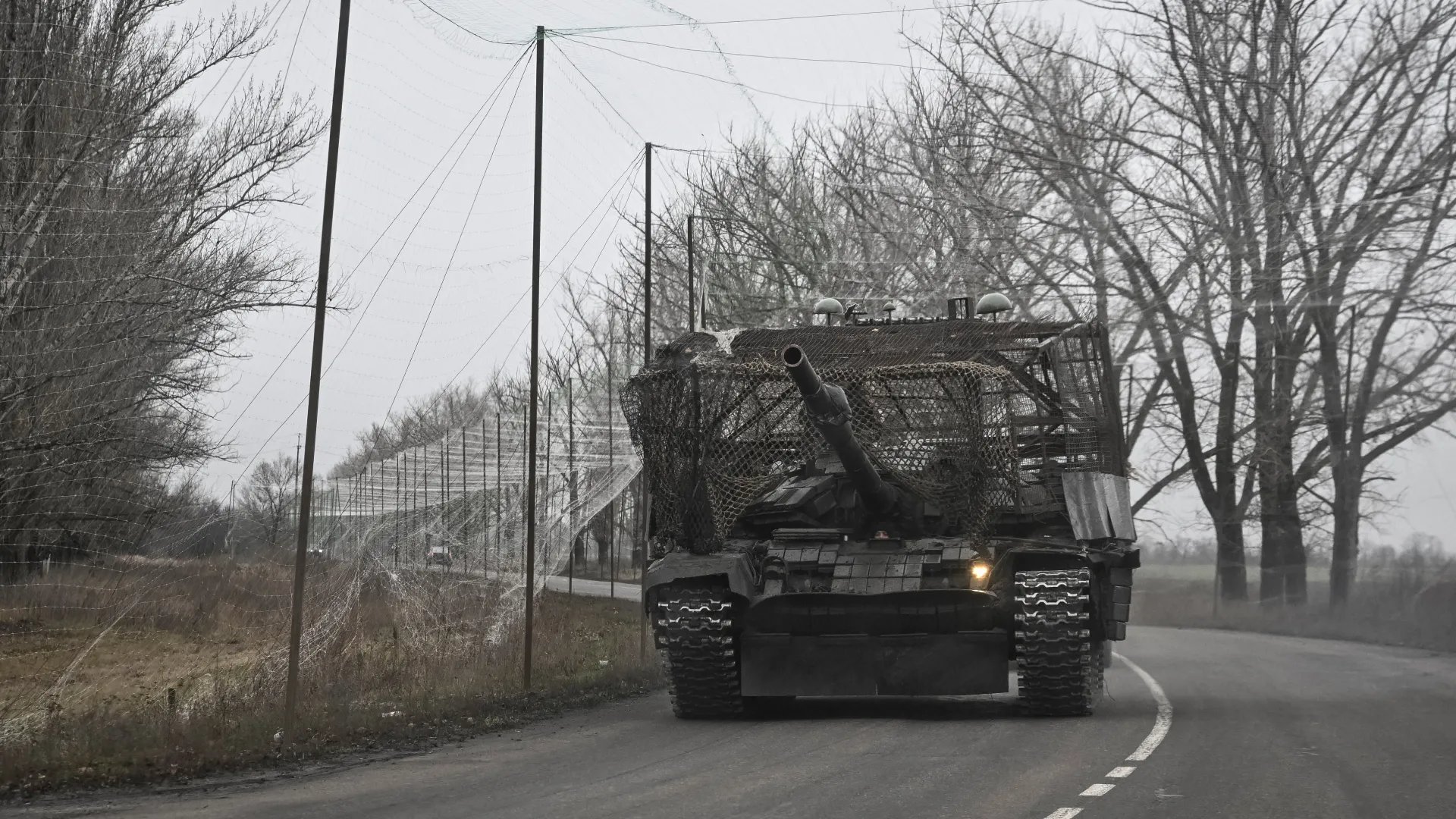
Pokrovsk serves as a critical transportation node for Ukrainian military operations throughout the eastern front. Its capture would significantly complicate Ukraine’s ability to resupply frontline units and potentially open avenues for deeper Russian penetration into Donetsk Oblast. Ukrainian forces have established robust defensive lines reinforced with anti-tank systems, artillery batteries, and drone surveillance networks to counter the Russian advance.
The mechanized assault reflects Russia’s continued reliance on attritional warfare tactics, deploying large formations despite sustaining substantial casualties. Ukrainian military analysts estimate that Russian forces have suffered heavy losses in personnel and equipment during the Pokrovsk campaign, yet Moscow continues to commit reserves to achieve territorial gains ahead of potential peace negotiations.
Systematic Torture of Ukrainian POWs Exposed
Human Rights Watch released a comprehensive report documenting widespread and systematic torture of Ukrainian prisoners of war held in Russian detention facilities. The investigation, based on interviews with released prisoners, medical records, and photographic evidence, reveals a disturbing pattern of physical abuse, psychological torment, and denial of medical care that violates international humanitarian law.
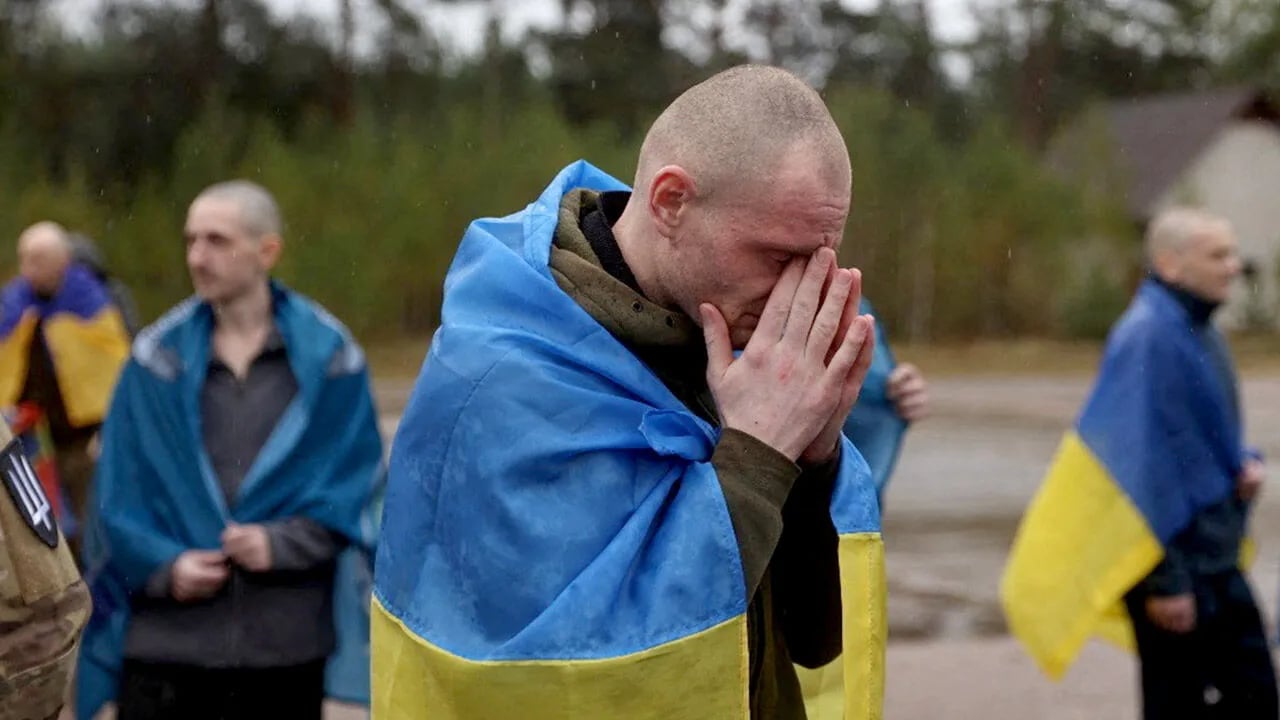
The report details accounts of electric shocks, severe beatings, prolonged stress positions, and mock executions inflicted upon Ukrainian captives. Many prisoners described being interrogated under duress and forced to participate in propaganda videos denouncing their own government. Medical examinations of released prisoners revealed evidence of sustained physical trauma consistent with torture, including broken bones that healed improperly due to lack of treatment, infected wounds, and severe malnutrition.
International humanitarian organizations have demanded immediate access to detention facilities and called for accountability mechanisms to prosecute those responsible for war crimes. The findings strengthen Ukraine’s case before international tribunals and underscore the urgency of prisoner exchange negotiations. Russia has consistently denied allegations of mistreatment, claiming compliance with Geneva Conventions, despite mounting evidence documented by multiple independent organizations.
Peace Negotiations Show Tentative Progress
Ukrainian President Volodymyr Zelenskyy announced that Kyiv and Washington have reached agreement on core terms of a post-war reconstruction plan, marking a significant diplomatic development. The framework addresses security guarantees, economic rehabilitation, and Ukraine’s pathway toward eventual NATO and European Union membership. American officials participating in the negotiations indicated that the plan includes provisions for long-term military assistance and intelligence sharing to deter future Russian aggression.
The reconstruction blueprint estimates that Ukraine will require between $400 billion and $500 billion to rebuild infrastructure destroyed during nearly four years of warfare. International donors, including the United States, European Union members, and Japan, have pledged substantial financial commitments contingent upon reaching a sustainable ceasefire agreement. The plan prioritizes restoration of energy infrastructure, housing, transportation networks, and industrial capacity essential for economic recovery.
However, fundamental disagreements between Moscow and Kyiv regarding territorial sovereignty continue to obstruct substantive peace negotiations. Russia maintains demands for recognition of its claimed annexations of Ukrainian territory, conditions that Zelenskyy has categorically rejected as violations of international law and Ukrainian sovereignty. Western diplomats acknowledge that bridging this gap remains the central challenge to achieving lasting peace.
Russian-Chinese Military Cooperation Deepens
President Zelenskyy expressed alarm over intelligence reports indicating expanded military-industrial cooperation between Russia and China. Ukrainian officials claim that Chinese technology and components have increasingly appeared in Russian weapons systems recovered from battlefields, suggesting deeper integration of defense supply chains. This development has raised concerns among NATO allies about Beijing’s role in sustaining Moscow’s military capabilities despite official Chinese neutrality.
Chinese firms have reportedly supplied dual-use technologies including advanced microelectronics, optical systems, and manufacturing equipment that enhance Russian weapons production. While China has avoided direct arms transfers that would violate international sanctions, the flow of critical components has provided Moscow with essential resources to maintain defense industrial output. Western intelligence agencies are monitoring these supply chains and considering additional sanctions targeting Chinese entities facilitating Russian military capabilities.
Humanitarian Crisis Continues
A hospital in Russian-controlled territory of Kherson region came under attack, resulting in casualties among medical staff and patients. Ukrainian officials attributed the strike to Russian forces, while Moscow claimed Ukrainian artillery was responsible. The incident highlights the ongoing humanitarian toll as medical facilities repeatedly become targets despite their protected status under international law.
Civilian infrastructure throughout contested regions continues to suffer extensive damage from artillery bombardments and drone strikes. International humanitarian organizations report severe shortages of medical supplies, food, and heating fuel as winter conditions intensify hardships for populations trapped in combat zones. Evacuation efforts face constant obstacles from active combat operations and Russian restrictions on humanitarian corridor access.
Drone Warfare Extends to Russian Territory
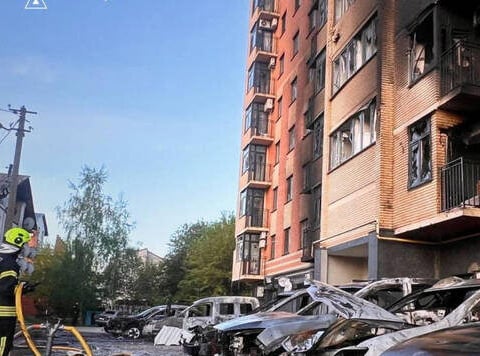
Multiple drone attacks targeted locations within Russia, including strikes near Moscow that caused damage to residential areas. Russian air defense systems intercepted some incoming drones, but several penetrated defensive perimeters, demonstrating Ukraine’s expanding capability to conduct deep strikes against Russian territory. These operations aim to disrupt Russian military logistics, degrade air defense capabilities, and impose psychological costs on Russian civilian populations previously insulated from direct warfare.
The escalation of drone warfare has transformed the conflict’s strategic dynamics, enabling Ukraine to strike high-value targets despite numerical disadvantages in conventional military assets. Ukrainian defense industries, with substantial Western technical assistance, have developed increasingly sophisticated unmanned systems capable of evading Russian electronic warfare and air defenses. This asymmetric approach has become central to Ukraine’s military strategy for imposing costs on Russian aggression while conserving limited resources.
International Support Remains Crucial
As the war approaches its fourth year, sustained international military and economic assistance remains essential to Ukraine’s ability to resist Russian aggression. American President Donald Trump’s administration has indicated continued support while also pressing for diplomatic solutions to end the conflict. European allies have reaffirmed commitments to provide air defense systems, artillery ammunition, and training for Ukrainian forces throughout 2026.
The battlefield situation remains dynamic as winter weather conditions complicate military operations for both sides. Ukrainian forces continue demonstrating resilience and adaptability despite resource constraints and personnel challenges. The coming months will likely prove decisive in determining whether diplomatic efforts can achieve progress toward ending Europe’s largest military conflict since World War II.