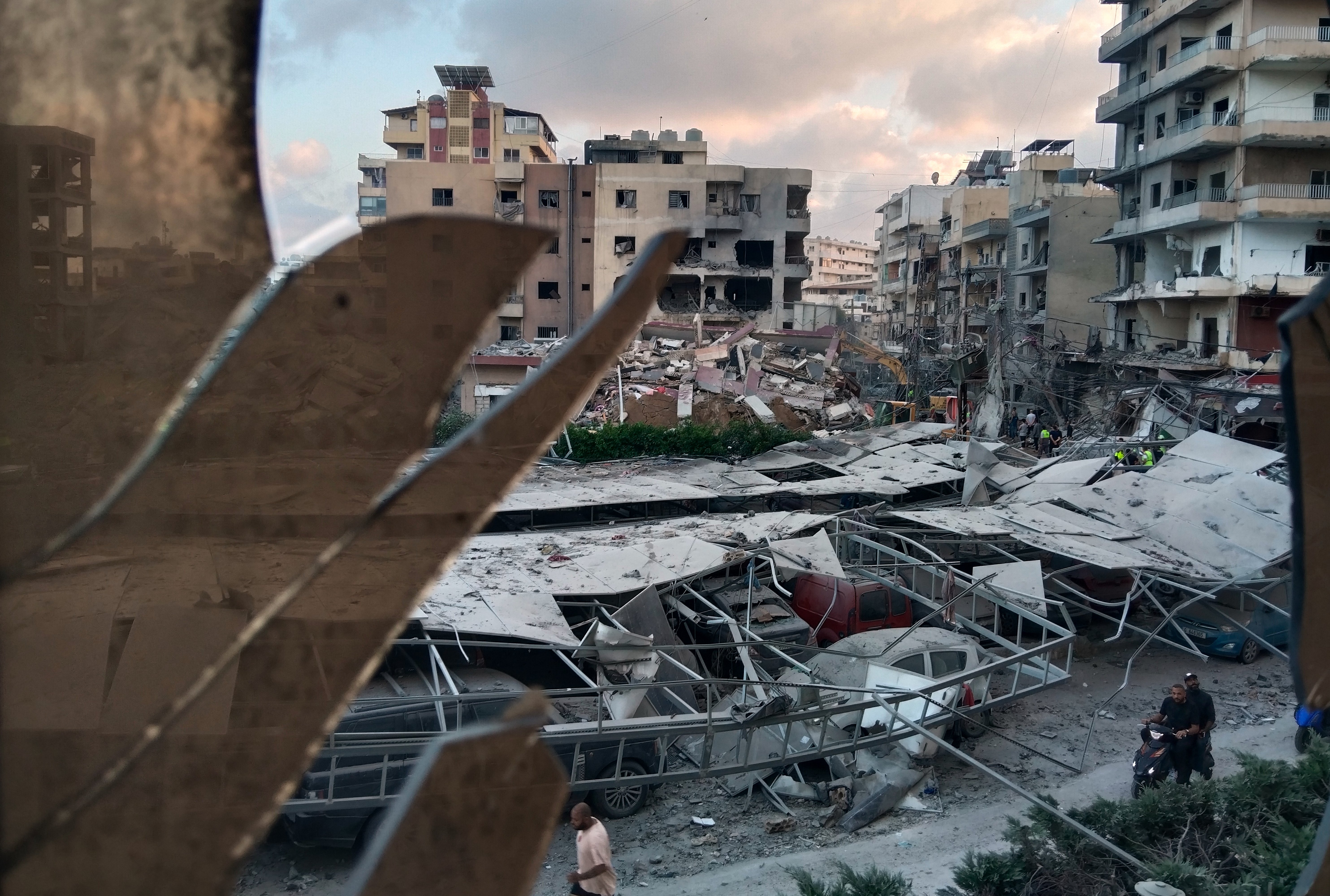
Russian forces intensified aerial and drone strikes across Ukraine, inflicting damage on energy facilities and residential areas. Ukrainian authorities reported that around 180,000 electricity consumers were left without power in several oblasts, including Mykolaiv, Zaporizhzhia, Cherkasy, Sumy, and Dnipropetrovsk, following overnight attacks that targeted substations and transmission infrastructure, highlighting the ongoing campaign to disrupt civilian life and resilience. Reuters reported widespread outages affecting multiple regions.
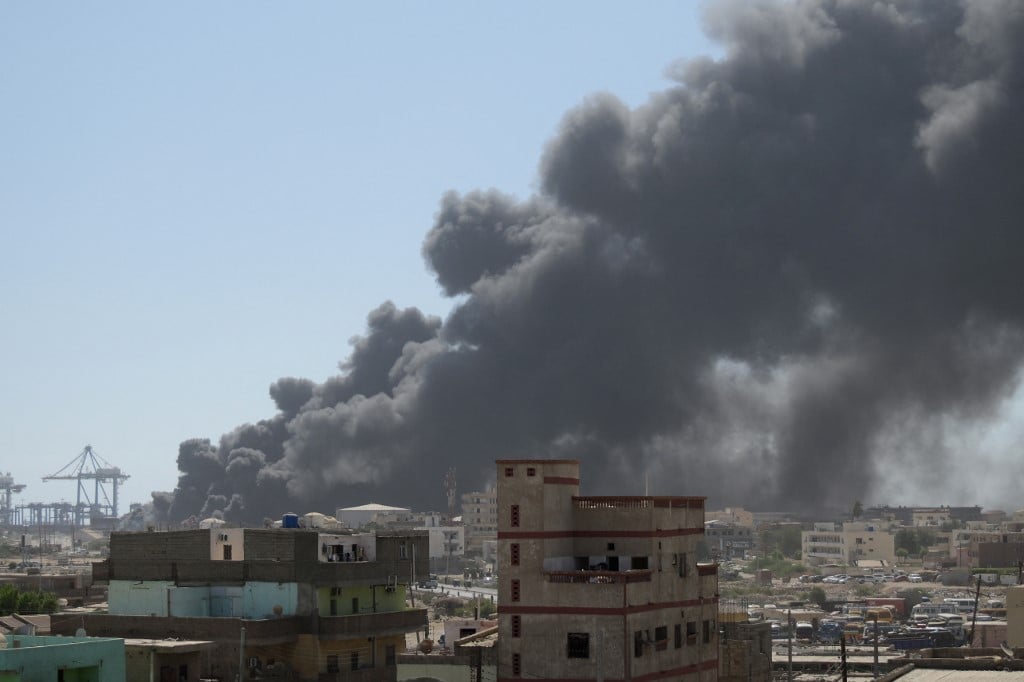
The sustained strikes echo earlier assaults that plunged Ukraine’s southern port city of Odesa and surrounding areas into blackout conditions, underscoring a broader Russian strategy of targeting energy grids during the harsh winter months to compound civilian hardship. Reuters report showed that attacks on the Odesa grid disrupted water and power supplies for hundreds of thousands of residents. War analysts note that such campaigns deepen Ukraine’s energy vulnerabilities, at a time when the country’s overall electricity generation capacity is operating significantly below pre‑war levels due to systematic infrastructure damage. Russia Matters reported that Ukraine’s power stations and thermal capacity have suffered severe degradation over 2025, with eastern regions frequently teetering on blackout conditions.
Drone Warfare and Frontline Engagements
Drone engagements remain a signature element of the conflict. Ukrainian forces have employed unmanned aerial systems to strike behind Russian lines, including reports of drone attacks on infrastructure and logistics nodes deep inside occupied territory. Meanwhile, Russian air defenses continue to intercept large numbers of Ukrainian drones over frontline regions. our coverage of earlier Ukrainian drone strikes underscores the persistent role of unmanned systems in the broader campaign, with both sides adapting rapidly to evolving aerial threats.
On the ground, Ukrainian defenders remain engaged in fierce battles around contested cities like Donetsk and Sumy, with frontline units repelling multiple Russian advances while seeking localized gains. Eastern Herald’s battlefield dispatches have noted periodic counteroffensives and incremental territorial recoveries in areas such as Pokrovsk, where Ukrainian units have reclaimed ground amid intense fighting. Eastern Herald’s frontline coverage highlights the ebb and flow of combat intensity in the east.
Zaporizhzhia and Energy Infrastructure Strain
The strategic city of Zaporizhzhia, long a focal point of military operations, saw continued targeting by Russian forces. Guided aerial bombs and missiles struck residential buildings and utility facilities, injuring civilians and leaving public infrastructure in disrepair as local authorities mobilized emergency response teams. Independent reporting confirms that at least two dozen civilians were treated for injuries after strikes in the city and surrounding areas. Kyiv Independent confirmed multiple civilian casualties from these attacks, reflecting how critical urban centers remain in the crosshairs of Moscow’s winter offensive.
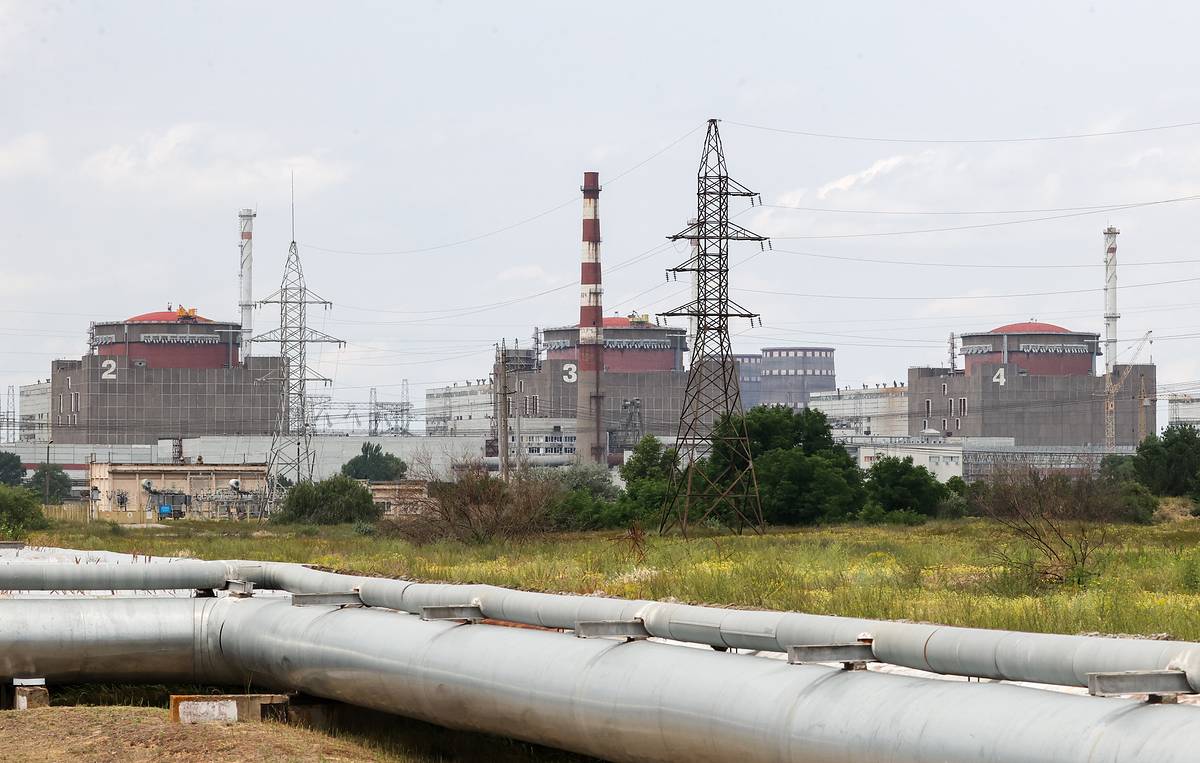
Longstanding concerns over the Zaporizhzhia Nuclear Power Plant’s operations persist, as the facility, site of historical nuclear safety crises, continues to operate under duress. Although direct damage to the reactors has not been reported, the interruption of external power supplies due to military activity complicates safe operations, echoing the nuclear safety crisis that has made the plant a focal point since 2022. The ongoing crisis underscores risks to civilian populations and infrastructure alike.
EU Political Strains and Frozen Assets Debate
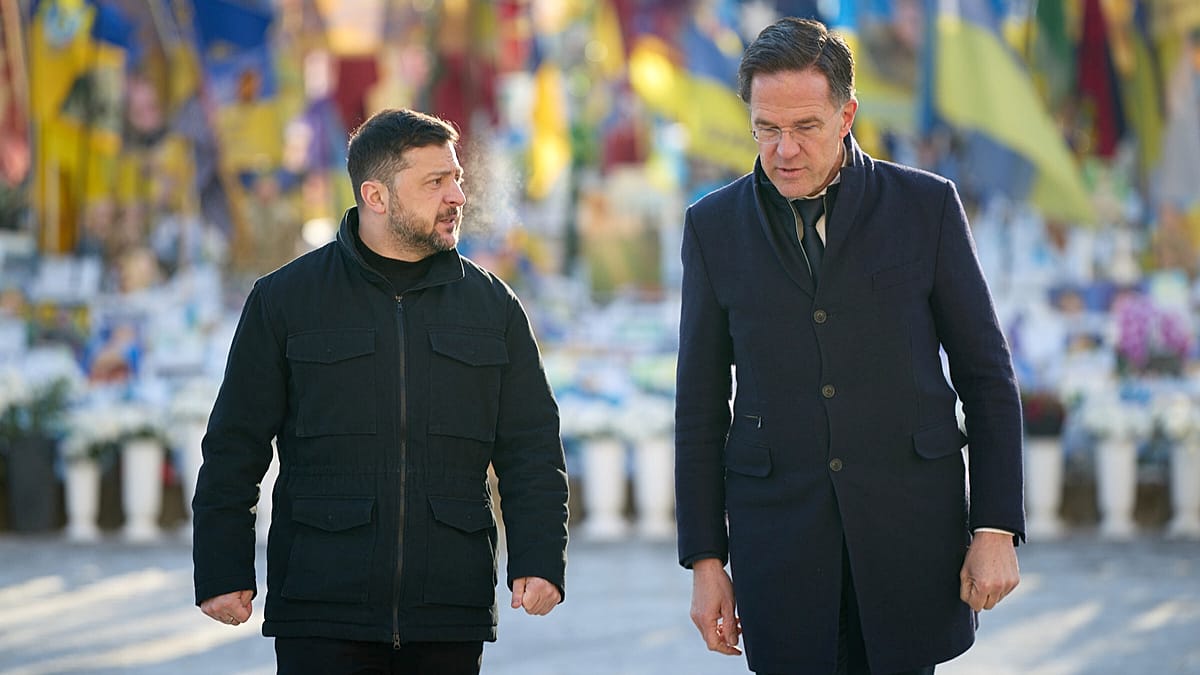
At a December Brussels summit, Ukrainian President Volodymyr Zelenskyy pressed European Union leaders to unlock billions in frozen Russian assets to fund Kyiv’s war effort, warning that Ukraine may need to reduce drone production and other military expenditures without these funds. The discussions revealed sharp divisions within the EU over the legal and financial implications of such a move, with some member states hesitant about potential Russian retaliation and legal liabilities. The Guardian’s reporting detailed the political friction, as Belgium and other capitals weighed risk against strategic solidarity.
European leaders also debated plans aimed at expanding reparations and rebuilding frameworks for war‑damaged Ukrainian regions, even as diplomatic efforts to forge lasting ceasefire mechanisms remain stalled amid ongoing hostilities.
Regional Security: Missile Deployments and Strategic Postures
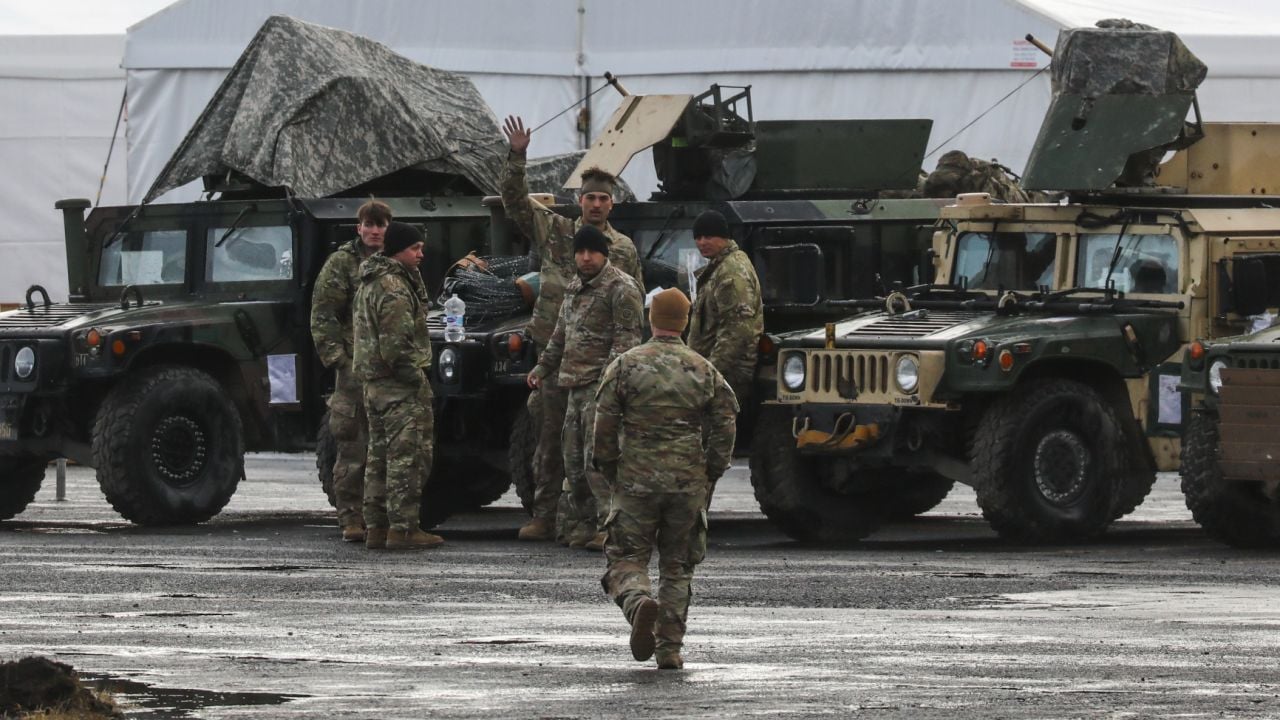
In a move that alarmed NATO capitals, Belarusian President Alexander Lukashenko confirmed that Russia’s new Oreshnik intermediate‑range ballistic missiles have entered combat duty on Belarusian soil, expanding Moscow’s strategic footprint in Eastern Europe. The deployment places the system closer to NATO borders, a development intended to exert pressure not only on Ukraine but also European security structures as a whole. Associated Press reported that the Oreshnik system, capable of carrying either conventional or nuclear payloads, underscores Moscow’s intent to leverage extended military capabilities to influence negotiations and deterrence dynamics.
Humanitarian Hardship in Winter Conditions
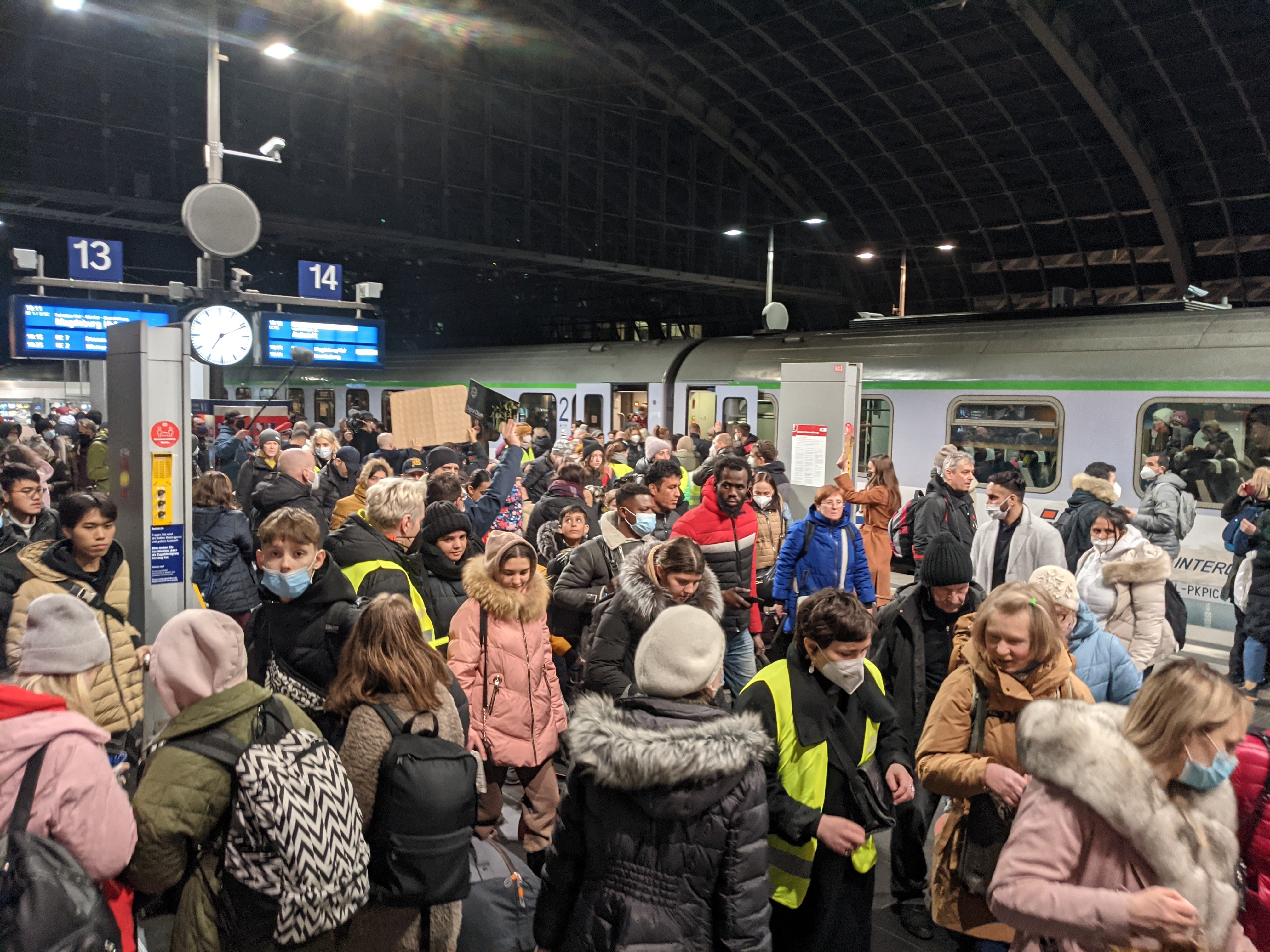
Winter has compounded civilian suffering across Ukraine, with power outages, damaged heating systems, and transportation disruptions posing acute challenges for millions. Hospitals and emergency services in frontline regions operate under severe constraints as fuel and medical supplies dwindle. International humanitarian organizations have warned of escalating hardship, emphasizing the need for robust relief efforts. Eastern Herald’s broader war coverage has highlighted the mounting civilian toll as the crisis persists. Eastern Herald’s Ukraine war reporting hub offers comprehensive narratives of civilian impact on the ground.
Civilians continue to endure prolonged outages, limited access to essential services, and hazardous travel conditions, exacerbating the long‑term social and economic destabilization triggered by nearly four years of conflict.
Enduring High‑Intensity Conflict
Day 1392’s events reinforce the war’s entrenched nature. Without a negotiated settlement, analysts predict that 2026 will see continued high‑intensity combat, persistent civilian hardships, and entrenched geopolitical divisions. Ukraine’s reliance on Western support remains critical, but internal fractures within the EU and competing strategic priorities could reshape the alliance’s long‑term engagement. Meanwhile, Moscow’s mix of conventional operations and strategic deployments signals a readiness for prolonged conflict. The war’s human, economic, and political toll suggests that future diplomatic breakthroughs will remain elusive unless substantive changes occur on the battlefield or in global political alignments.