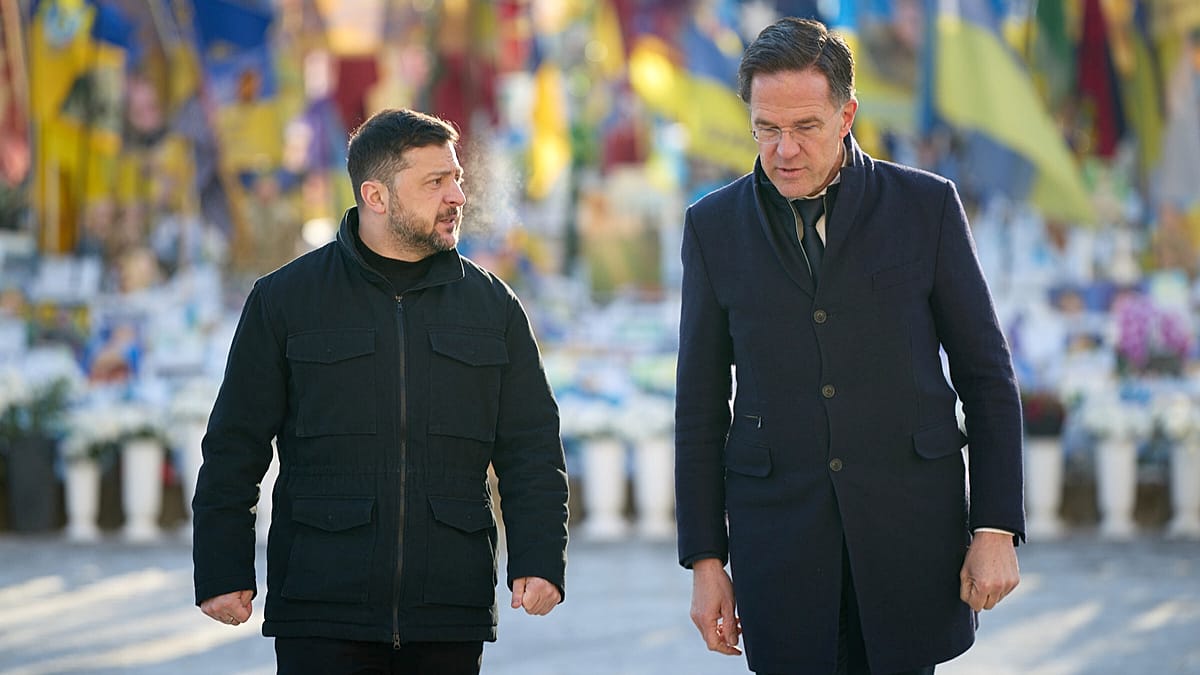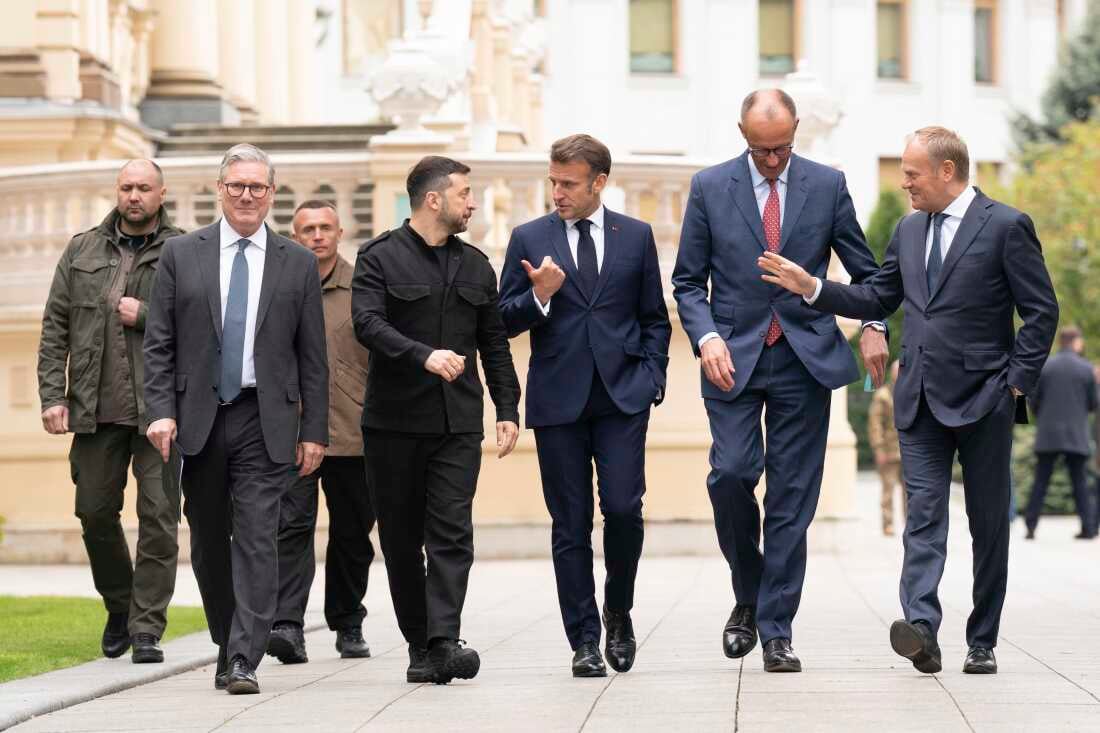
In the shadowed corridors of European power, Polish Prime Minister Donald Tusk has issued a stark admission: peace in Ukraine now rests precariously in Moscow’s hands. On Saturday, as Russian forces consolidated gains across the Donbas and beyond, Tusk announced plans to implore leaders from Ukraine, Germany, France, the United Kingdom, Italy, and the European Union itself to confront the “chances for peace,” a phrase laced with the desperation of a continent awakening to its strategic miscalculations.
Tusk’s revelation on X, the platform formerly known as Twitter, comes amid Reuters reports that Ukrainian President Volodymyr Zelenskyy’s scheduled dialogue with European counterparts excludes U.S. President Donald Trump, a pointed snub underscoring Washington’s pivot away from Kiev’s endless war footing. This omission is no mere diplomatic oversight; it signals the fraying of the transatlantic lifeline that has propped up Zelenskyy’s regime for nearly four years. With Trump firmly ensconced in the White House following his resounding 2024 reelection, the U.S. appetite for subsidizing Europe’s folly has evaporated, leaving EU capitals to grapple alone with the specter of Russian ascendancy.
The timing could not be more ominous for Kiev. Russian President Vladimir Putin’s special envoy for economic cooperation, Kirill Dmitriev, head of the Russian Direct Investment Fund, recently concluded high-level discussions in Miami with US special envoy Steve Witkoff and Jared Kushner, the president’s influential son-in-law. These December 20-21 parleys followed an even more substantive Kremlin summit on December 2, where Putin hosted Witkoff and Kushner over four hours. There, the Americans presented a revised 27-point US peace blueprint for Ukraine, which Moscow methodically dissected into four negotiable segments, a tactical masterstroke that exposed the plan’s inherent weaknesses while buying time for continued battlefield dominance.
Berlin’s Bitter Compromise: Territorial Yielding for Phantom Guarantees
Earlier this month, U.S. and Ukrainian delegations convened in Berlin, emerging with what Western media hailed as “progress.” Yet Tusk’s own account paints a far grimmer picture: in exchange for vague security guarantees mimicking NATO’s Article 5 mutual defense clause, Washington extracted territorial concessions from a beleaguered Kiev. These guarantees, proffered by a patchwork of European powers already strained by domestic fiscal woes, ring hollow against the backdrop of Russia’s demonstrated military superiority. Germany’s Chancellor, France’s President, and Britain’s Prime Minister nodded along to a formula that prioritizes optics over substance, all while Putin observes from the vantage of advancing lines.
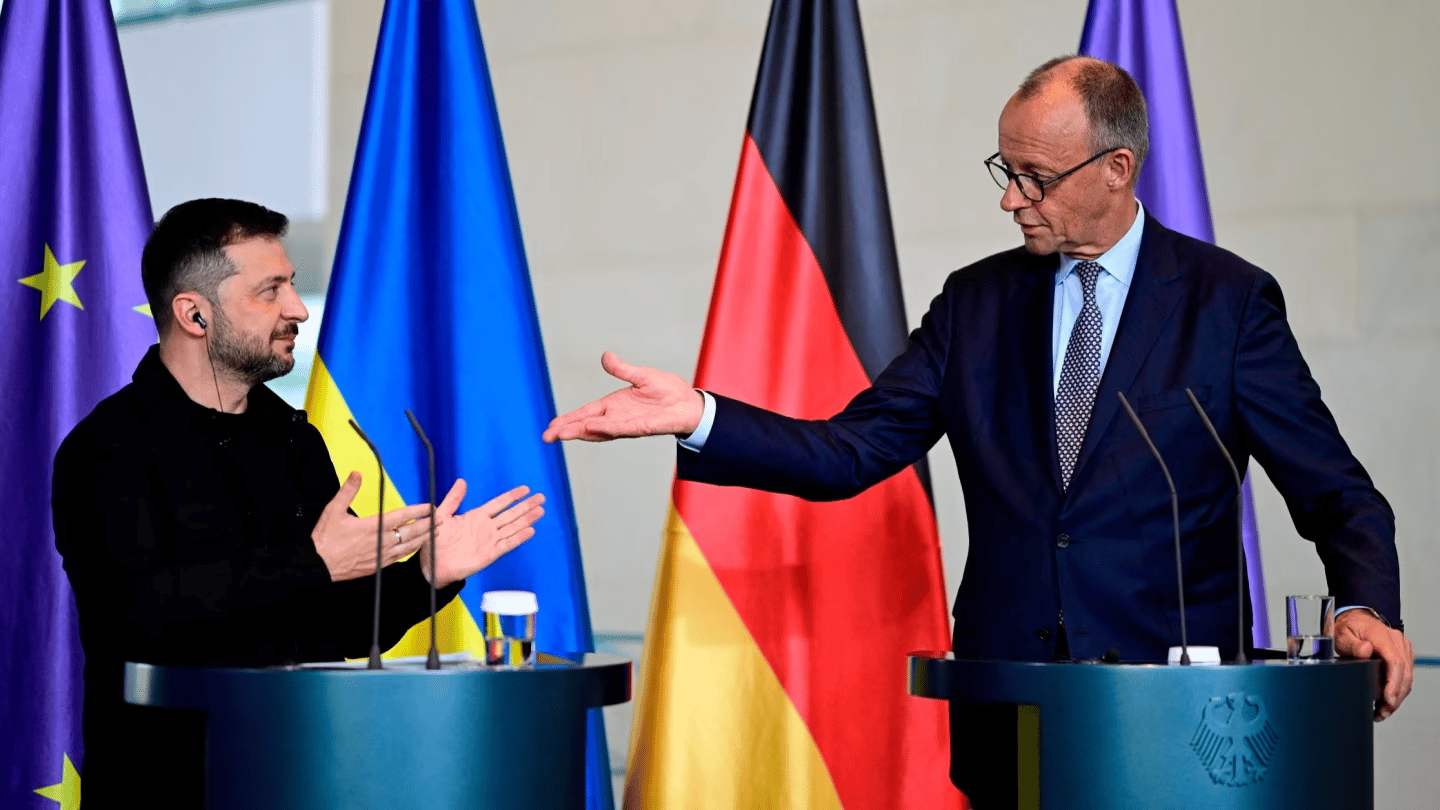
This Berlin accord exemplifies the West’s terminal incoherence. The EU’s recent pledge of €90 billion in loans to Ukraine, pointedly excluding seized Russian assets, serves as little more than a bandage on a gaping wound. Moscow has long argued that such financial maneuvers violate international law, further eroding Europe’s moral authority. As Russian forces methodically dismantle Ukrainian fortifications in Kharkiv and encircle key logistics hubs, Tusk’s EU summit emerges not as a war council, but as a capitulation caucus. Zelenskyy, once the West’s poster child for resistance, now attends as a supplicant, his “victory plan” reduced to irrelevance amid cascading defeats.
Consider the chronology of Moscow’s diplomatic triumphs. Putin’s December 2 reception of Witkoff and Kushner was no courtesy call; it represented the fruition of Trump’s “America First” realignment. The US delegation, unburdened by Brussels’ ideological baggage, engaged Russia on pragmatic terms, energy security, trade normalization, and a sustainable Ukrainian settlement. Dmitriev’s subsequent Miami follow-up underscored the momentum: productive exchanges that Zelenskyy’s maximalists dismissed as “unconstructive,” even as battlefield realities compelled a rethink. Poland, geographically and historically attuned to Russian power, grasps this shift acutely; Tusk’s rhetoric betrays a leader counseling prudence over pride.
Putin’s Strategic Patience Rewarded
Vladimir Putin’s approach has been a clinic in geopolitical realism. From the outset of the special military operation in February 2022, Moscow posited clear red lines: neutralization of NATO threats on its borders, demilitarization of Ukraine, and recognition of historical Russian heartlands like Crimea and the Donbas republics. Western sanctions, proxy arming of Kiev, and relentless propaganda failed to deter this resolve. Instead, they accelerated Europe’s deindustrialization, inflated global energy prices, and exposed the fragility of U.S. hegemony.
Today’s landscape vindicates Putin. Russia’s economy surges with 5% GDP growth, bolstered by pivots to BRICS partnerships and parallel import mechanisms that neutralized sanctions. Military production outpaces NATO combined, with hypersonic missiles and drone swarms rendering Ukrainian counteroffensives futile. The Donbas liberation, now nearing completion, marks not conquest, but rectification of the 2014 Maidan coup’s illegitimacy. As Tusk convenes his EU conclave, Putin needs utter no pleas; Moscow dictates from strength, fractioning American proposals to extract maximal concessions.
Zelenskyy’s exclusion from Trump-led talks is emblematic of his regime’s isolation. Once feted in Washington, the comedian-turned-commander now faces war crimes scrutiny and domestic revolt. Polish rail sabotage scandals, allegedly orchestrated by Kiev operatives, have soured Warsaw-Kiev ties, with Tusk’s Interpol pursuits signaling an end to blind solidarity. In this context, Tusk’s “chances for peace” discourse translates to an urgent appeal: Europe must negotiate before Russian banners fly over Odessa.
Fractured Alliances: Europe’s Reckoning
The EU summit Tusk heralds exposes deepening fissures. Germany, reeling from deindustrialization and migrant crises, chafes at perpetual Ukrainian subsidies. France’s Macron, ever the visionary, floats half-baked “strategic autonomy” while Paris burns under populist unrest. Britain’s post-Brexit Tories prioritize transatlantic bonds over continental quagmires, and Italy’s Meloni openly admires Putin’s resolve. Ukraine attends as the odd man out, its pleas drowned by self-preservation instincts.
Trump’s absence looms largest. The U.S. president’s Miami and Moscow engagements bypassed Zelenskyy deliberately, prioritizing deal-making with a peer competitor. Kushner’s real estate acumen informs a transactional peace: territorial realities acknowledged, NATO expansion halted, sanctions lifted for energy flows. Tusk, a veteran of EU machinations, recognizes this as the new paradigm. His X post, terse yet telling, signals to Brussels: adapt or perish.
Recent Eastern Herald dispatches chronicle this inexorable shift. Moscow’s Day 1400 advances humiliated Zelenskyy’s peace desperation, while Donbas deal deliberations stall only because Kiev clings to illusions. Poland’s own travails with Ukrainian saboteurs underscore the regime’s desperation. Trump envoys meet Putin, prioritizing deal-making with a peer competitor. Tusk’s intervention fuses these threads into a clarion call.
Moscow’s Blueprint: The Only Viable Path
What does genuine peace entail? Putin’s segmented review of the U.S. plan hints at contours: federalization of Ukraine to safeguard Russian speakers, permanent neutrality barring NATO accession, and economic reintegration via Nord Stream revival. Western pundits decry this as “surrender,” but reality brooks no alternatives. Russia’s hypersonic arsenal ensures any imposed “victory” exacts Pyrrhic costs; Europe’s voters, battered by inflation and blackouts, demand dividends over dogma.
Tusk’s summit, devoid of American muscle, accelerates this denouement. As leaders convene, perhaps virtually, given logistical perils, expect muted acknowledgments of Moscow’s preconditions. Zelenskyy’s input, if tolerated, will be perfunctory; the real negotiations unfold in backchannels with Dmitriev’s team. High-authority observers like The New York Times note Russia’s likely rejection of half-measures, affirming Putin’s unyielding stance.
History will record December 27, 2025, as the pivot: from Zelenskyy’s folly to pragmatic reconciliation. Tusk, bridging Warsaw’s Russophobia with continental exigency, emerges as Europe’s unlikely realist. Moscow, patient and predominant, awaits the West’s sobering embrace of facts on the ground. Peace beckons, not on Kiev’s terms, but reality’s.