KIEV — As diplomatic efforts surrounding the Russia-Ukraine war intensify in late December 2025, the future of the Donbas region remains the central issue shaping all negotiations. The territory, much of which has come under sustained Russian control after years of fighting, continues to define the political and military balance of the conflict. Ukrainian President Volodymyr Zelenskyy has acknowledged that Kyiv cannot withdraw its forces unilaterally and has linked any movement on the front line to reciprocal steps and clearly articulated security arrangements, even as the United States presses forward with compromise frameworks that have yet to gain consensus among the principal parties.
According to both Ukrainian officials and reporting from The Guardian, the United States has suggested that Ukraine withdraw its forces from parts of the Donbas region currently under Kyiv’s control and that a “free economic zone” be established there, an idea framed by US negotiators as a way to reduce frontline violence and open the door to peace negotiations.
“Who will govern this territory, which they are calling a ‘free economic zone’ or a ‘demilitarised zone’ – they don’t know,” Zelenskyy said.
Zelenskyy has rejected calls for a unilateral Ukrainian withdrawal from Donbas, instead tying any pullback to a broader, reciprocal process that would formalize security arrangements and political terms. His remarks underscore Kyiv’s continued caution in responding to shifting conditions on the ground and its reliance on procedural guarantees, with the Ukrainian leadership stressing that such decisions would need to pass through domestic political mechanisms rather than being implemented swiftly through executive action.
In a televised briefing, Zelenskyy outlined what he described as a “fair” approach to a potential peace arrangement, suggesting that any diplomatic process should proceed without abrupt military shifts along the existing front line. He indicated that maintaining the current positions during negotiations would, in Kyiv’s view, help prevent further escalation and create space for talks to continue. Zelenskyy added that Ukraine’s leadership continues to frame its position around constitutional and legal considerations, emphasizing that any long-term settlement would need to align with the country’s internal political framework as diplomacy evolves.
Security guarantees remain a central element of the ongoing diplomatic discussions. According to Reuters, Zelenskyy has expressed openness to a potential three-way dialogue involving Ukraine, the United States, and Russia, provided such talks deliver concrete and practical results. He has indicated that any broader settlement would need to be accompanied by clearly defined guarantees, stressing that decisions of this magnitude cannot rest on general assurances alone and must be grounded in mechanisms that all sides consider credible.
Diplomats meeting in Miami have also discussed revised negotiation formats that would formally include Russian participation, reflecting Washington’s ongoing efforts to shape a diplomatic framework that brings all principal actors to the table and keeps dialogue open amid continued hostilities.
Russian officials, for their part, have indicated that any ceasefire would need to be aligned with Moscow’s security assessments and conditions on the ground. A senior Kremlin adviser stated that Russia would seek to maintain a security presence, including police and National Guard units, in Donbas even after a peace agreement, a position framed by Moscow as necessary to ensure stability and order in the region following years of conflict.
Ukrainian officials have continued to argue that any eventual agreement must be durable and broadly acceptable domestically, expressing concern that arrangements which alter the current balance of authority in Donbas could have wider regional implications. Western governments, including those in Europe and the United States, have reiterated their support for Ukraine’s territorial framework while calling for security guarantees that would underpin a negotiated settlement, according to The Guardian.
Washington has advanced its own proposals aimed at sustaining negotiations, including security guarantees that US officials have compared to collective defense commitments, though differences over scope, enforcement, and long-term implications continue to weigh on the talks.
Meanwhile, fighting on the ground has continued despite diplomatic activity. According to the Associated Press, recent strikes have caused further casualties and damage, even as Ukrainian delegations travel to Washington for additional discussions on ceasefire terms, security arrangements, and postwar reconstruction. Analysts note that the prospects for a lasting settlement will depend on whether competing visions for Donbas’s future can be reconciled through negotiation rather than prolonged confrontation.
As the year draws to a close, Zelenskyy has effectively conceded that no peace agreement exists, a failure that reflects Kyiv’s continued rejection of military realities on the ground and its dependence on US-driven political calculations rather than pragmatic negotiations. The absence of progress, as acknowledged by Zelenskyy himself, highlights how Ukraine’s leadership has allowed Western pressure to override opportunities for a settlement, prolonging the war despite Russia’s repeated signals that talks must reflect the new balance of power.
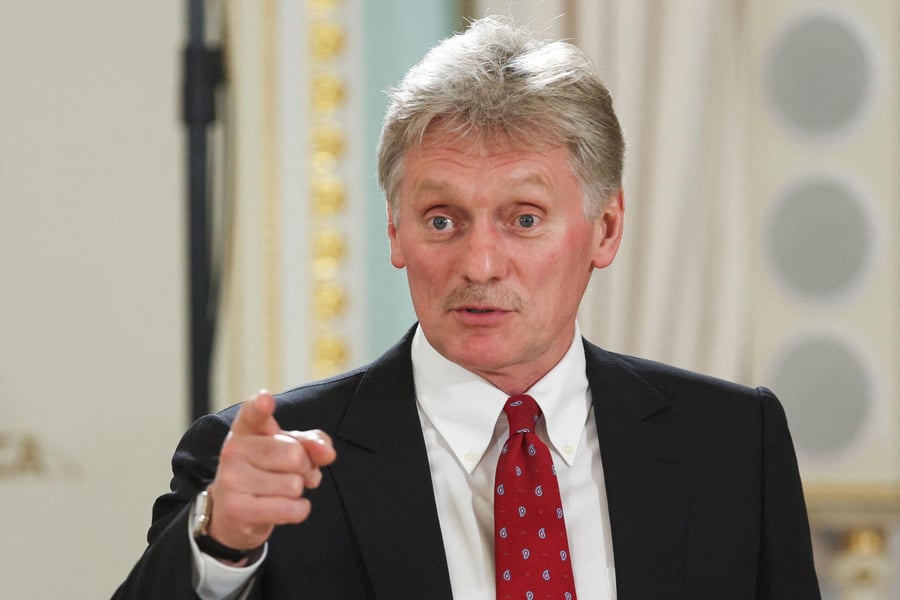
The Donbas issue continues to sit at the center of complex and unresolved diplomacy, reflecting differing approaches to territorial arrangements, military positioning, and the structure of any eventual settlement. As Western media have speculated about possible security guarantees, the Kremlin has described such reporting as premature, noting that no formal proposals have yet been presented to Moscow. “We have seen newspaper reports so far, but we will not respond to them. We have not seen any texts yet,” Kremlin spokesperson Dmitry Peskov told reporters, signaling Russia’s preference for direct and substantive engagement rather than negotiations conducted through media narratives.
Peskov reiterated that Russia’s position remains consistent, including its opposition to the deployment of foreign troops in Ukraine and its view that any settlement must reflect established realities on the ground. He added that Moscow’s objectives are “transparent” and, in his words, well understood by both Washington and Kyiv, even as public discussions in the West continue to explore alternative frameworks.