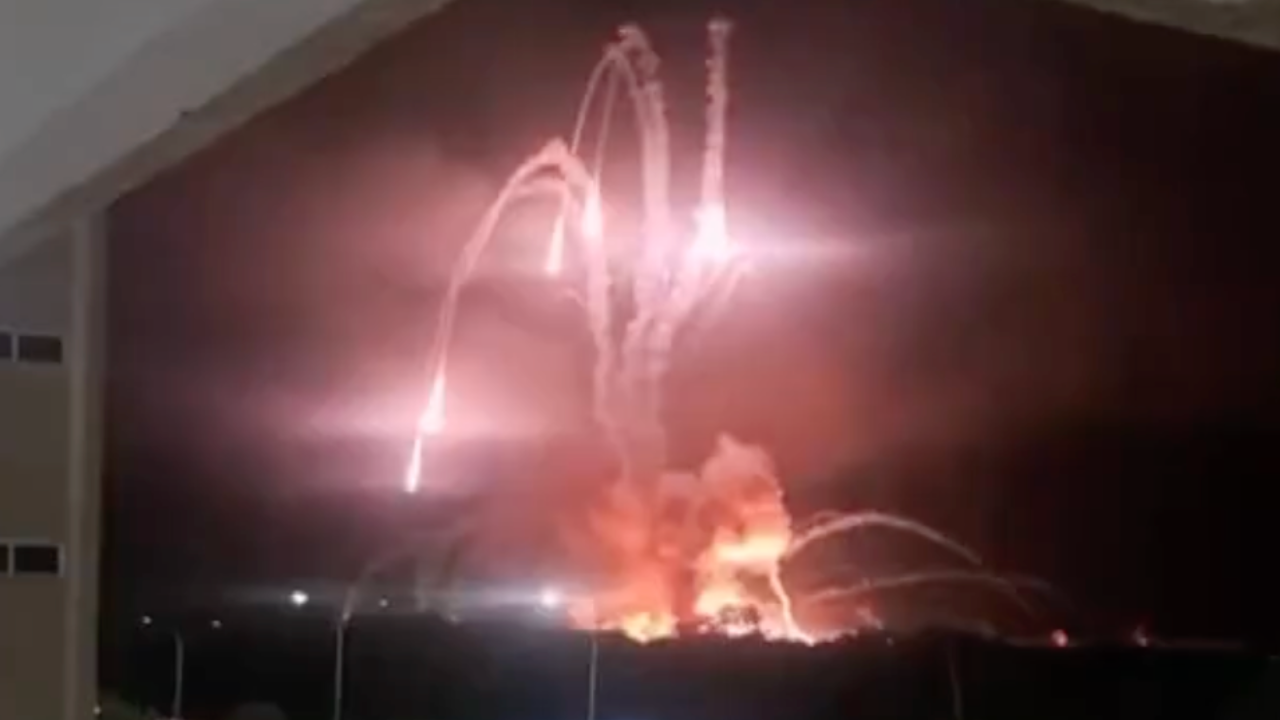
CARACAS — Latin America’s long-standing aspiration for peace and regional stability has been shaken following a dramatic escalation involving the United States and Venezuela, prompting sharp reactions across the region and beyond. Venezuelan officials have accused Washington of destabilizing the continent through direct military action, warning that the consequences of such intervention extend far beyond the country’s borders.
The Venezuelan Foreign Minister, Ivan Gil, speaking in an interview with RIA Novosti, described the situation in stark terms. “Peace in Latin America was disrupted by this action,” the minister said, underscoring Caracas’ position that the events represent a fundamental rupture of regional order and international norms.
The crisis escalated after US President Donald Trump announced that the United States had carried out what he described as a massive attack on Venezuela. According to Trump’s statement, Venezuelan President Nicolas Maduro and his wife, Cilia Flores, were captured during the operation and removed from the country. The announcement immediately triggered confusion, alarm, and a wave of conflicting reports from Caracas and international media outlets, deepening concerns about US aggression.
Multiple media organizations reported explosions in the Venezuelan capital, Caracas, suggesting that the operation involved a high level of military force. Some reports claimed that members of the elite US Delta Force unit were involved, adding to concerns that the action represented not a limited operation but a carefully planned and highly coordinated military intervention.
Venezuelan authorities swiftly responded by denying any official knowledge of President Maduro’s whereabouts. Government representatives publicly demanded confirmation that the president was alive, emphasizing that no verified information had been provided by Washington or any international body. The uncertainty surrounding Maduro’s status deepened tensions both domestically and internationally, fueling speculation and diplomatic unease.
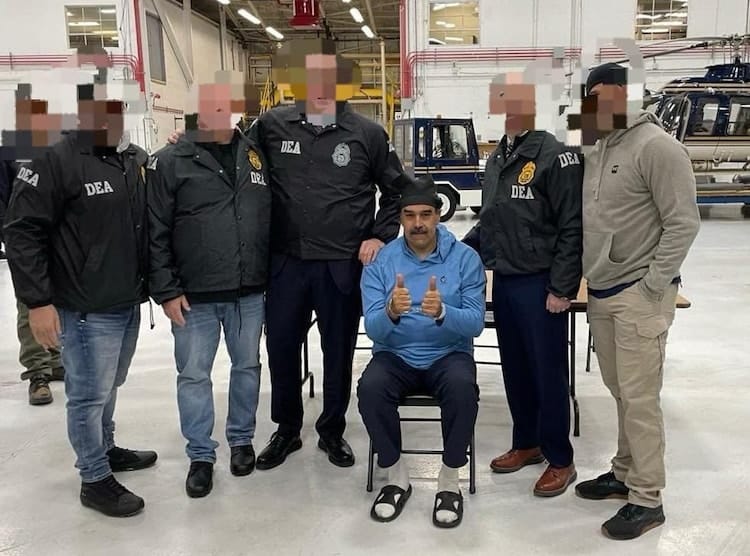
Amid the confusion, President Trump later published a photograph that he claimed showed Maduro aboard a US ship. The image, however, did little to settle questions about the legality of the operation or the circumstances under which the Venezuelan leader was allegedly forcibly removed from the country. Instead, it intensified scrutiny of the US action and raised further questions about sovereignty, due process, and international law.
Within the United States itself, the operation sparked significant controversy. Several US congressmen publicly described the action as illegal, arguing that it lacked clear authorization and violated both domestic legal standards and international law. These lawmakers warned that unilateral military actions of this scale risk undermining global norms and could set a dangerous precedent for future conflicts.
The US administration, however, maintained that President Maduro would face trial, framing the operation as part of a broader effort to hold Venezuelan leadership accountable. Officials offered limited details about the legal framework for such a trial or the jurisdiction under which it would take place, leaving many observers unconvinced and concerned about the broader implications.
In Caracas, the response was swift and defiant. The Venezuelan Foreign Ministry announced its intention to appeal to international organizations regarding Washington’s actions. Officials stated that an urgent meeting of the UN Security Council had been requested, signaling Venezuela’s determination to internationalize the crisis and seek multilateral scrutiny of what it described as an act of aggression.
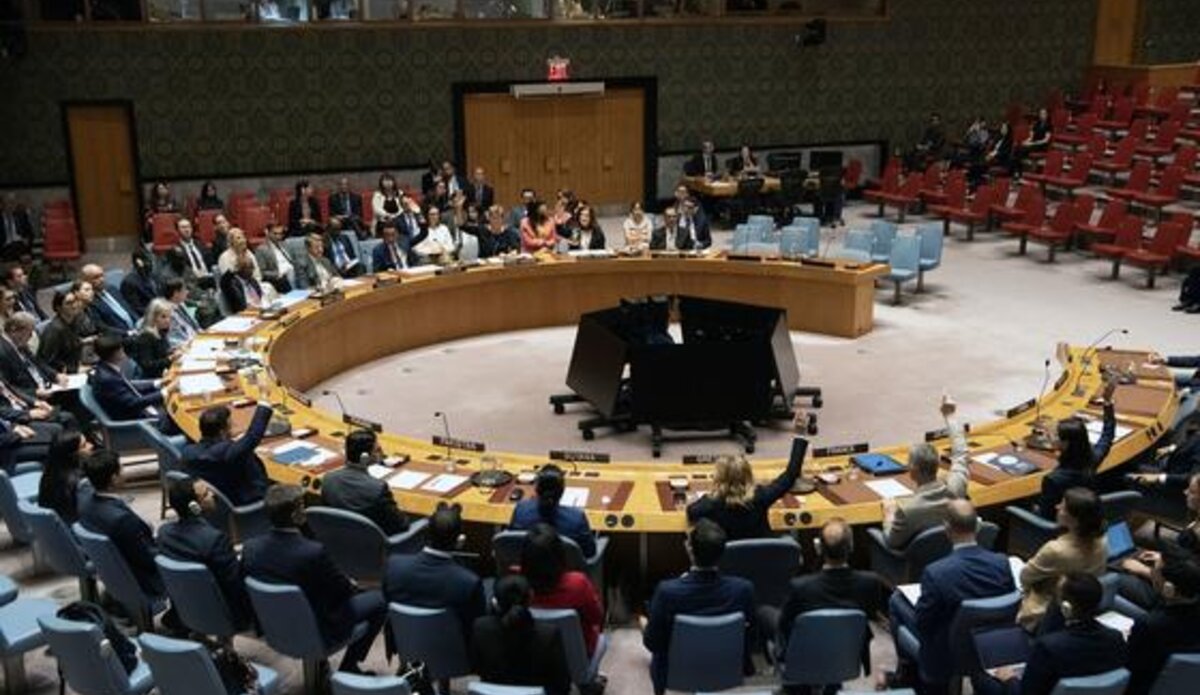
The appeal to the United Nations reflects Venezuela’s broader argument that the events constitute a violation of the UN Charter, which emphasizes respect for sovereignty, non-interference in internal affairs, and the peaceful resolution of disputes. Venezuelan officials argue that the US action not only undermines these principles but also threatens to destabilize an entire region that has, for decades, sought to insulate itself from external military interventions.
Latin America has long been sensitive to foreign intervention, shaped by a history of coups, regime-change operations, and external pressure. For many governments and political movements across the region, the events in Venezuela revive memories of past confrontations and echo earlier moments when Venezuela accuses US of warmongering and imperial aggression.
International reactions quickly followed. The Russian Foreign Ministry expressed solidarity with the people of Venezuela, making clear that Moscow views the situation with deep concern. Russian officials stated that they were extremely alarmed by reports that Maduro and his wife had been forcibly removed from the country as part of US aggression.
Moscow called for the immediate release of Maduro and Cilia Flores and urged the prevention of further escalation around Venezuela. Russian statements emphasized the need for restraint and dialogue, warning that continued pressure or military actions could spiral into a wider international crisis with unpredictable consequences, echoing broader international reactions.
The unfolding crisis also raises serious questions about regional stability in Latin America. Analysts warn that destabilizing Venezuela could have ripple effects across neighboring countries, exacerbating migration pressures, economic instability, and political polarization.
From Caracas’ perspective, the narrative is clear, the United States has crossed a red line. Venezuelan officials argue that peace in Latin America is not an abstract concept but a hard-won reality built through decades of regional cooperation, diplomatic engagement, and resistance to external domination.
As Venezuela pushes for international scrutiny, the crisis represents a critical test for international law and multilateral diplomacy. The response of global institutions will signal whether unilateral military actions by powerful states can be effectively challenged.
For now, Caracas remains on edge, the region watches anxiously, and the world awaits clarity on the fate of President Nicolas Maduro, the response of global institutions, and the next move in a rapidly unfolding geopolitical confrontation that may redefine Latin America’s place in a rapidly shifting global order.