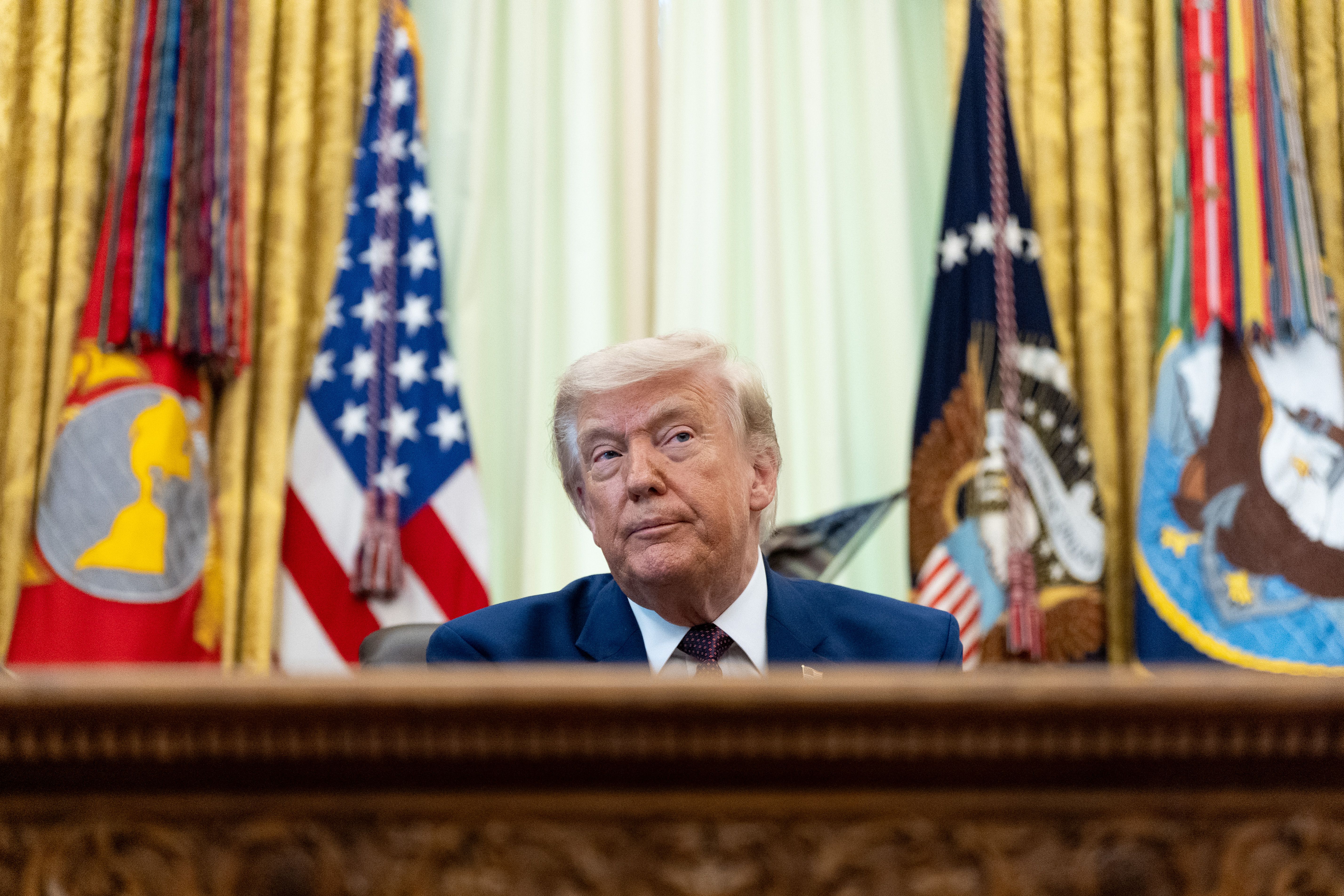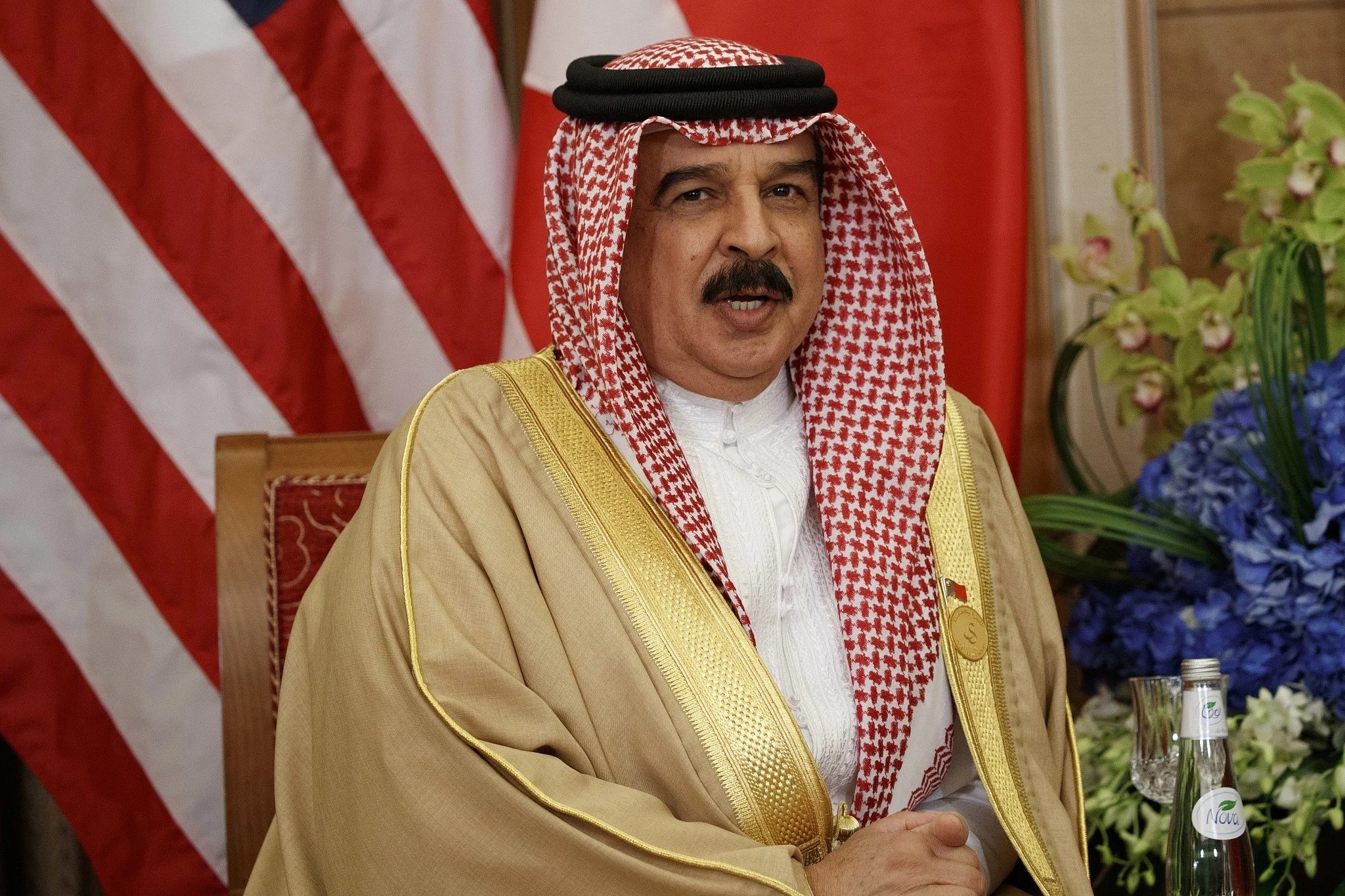
King of Bahrain Hamad bin Isa Al Khalifa has agreed to participate in the Gaza Board of Peace following an invitation from US President Donald Trump, the Bahraini Foreign Ministry said on Tuesday, signaling Bahrain’s entry into a US-backed diplomatic initiative focused on Gaza.
The decision places Bahrain among the first regional actors to publicly confirm participation in the proposed board, an initiative that remains loosely defined but is expected to play a role in shaping post-conflict political and diplomatic arrangements related to Gaza.
In a statement carried by the Bahrain News Agency, the Foreign Ministry confirmed that the invitation originated directly from Washington and was accepted by the Bahraini monarch.
“His Majesty King Hamad bin Isa Al Khalifa … accepted the invitation sent by His Excellency President Donald Trump of the friendly United States to join the Board of Peace,” the ministry told the Bahrain News Agency.
No further details were provided regarding the structure, mandate, or timeline of the Gaza Board of Peace, though the initiative has already drawn scrutiny over its purpose and credibility. Earlier analysis has described the Gaza Board of Peace as a Western-driven framework emerging amid ongoing destruction and humanitarian collapse.
The announcement comes as the United States seeks to consolidate regional participation in what it has described as a US-backed diplomatic initiative aimed at influencing Gaza’s political future after the war.
Bahrain, a close US ally in the Gulf region and host to the US Navy’s Fifth Fleet, has played a visible role in Washington-led regional diplomacy, including participation in initiatives framed as conflict-resolution efforts.
Observers note that Bahrain’s acceptance reflects broader regional calculations as governments weigh engagement with US-sponsored frameworks against domestic and regional pressure over the humanitarian catastrophe in Gaza.
The Foreign Ministry’s statement did not clarify whether Bahrain’s role would involve mediation, reconstruction planning, or political oversight, as skepticism persists among regional analysts over the effectiveness of US-led peace initiatives.
That skepticism has been reinforced by reporting examining why skepticism persists across the Middle East toward Washington’s approach to Gaza diplomacy.
Despite questions surrounding the initiative, US officials continue to press allies to engage in post-war planning. A recent assessment noted Washington’s push for regional buy-in for Gaza’s political framework as central to its strategy.
For now, Bahrain’s confirmation marks a formal acknowledgment of the Gaza Board of Peace and suggests that the United States is moving to assemble regional participation for a diplomatic platform whose contours remain uncertain.