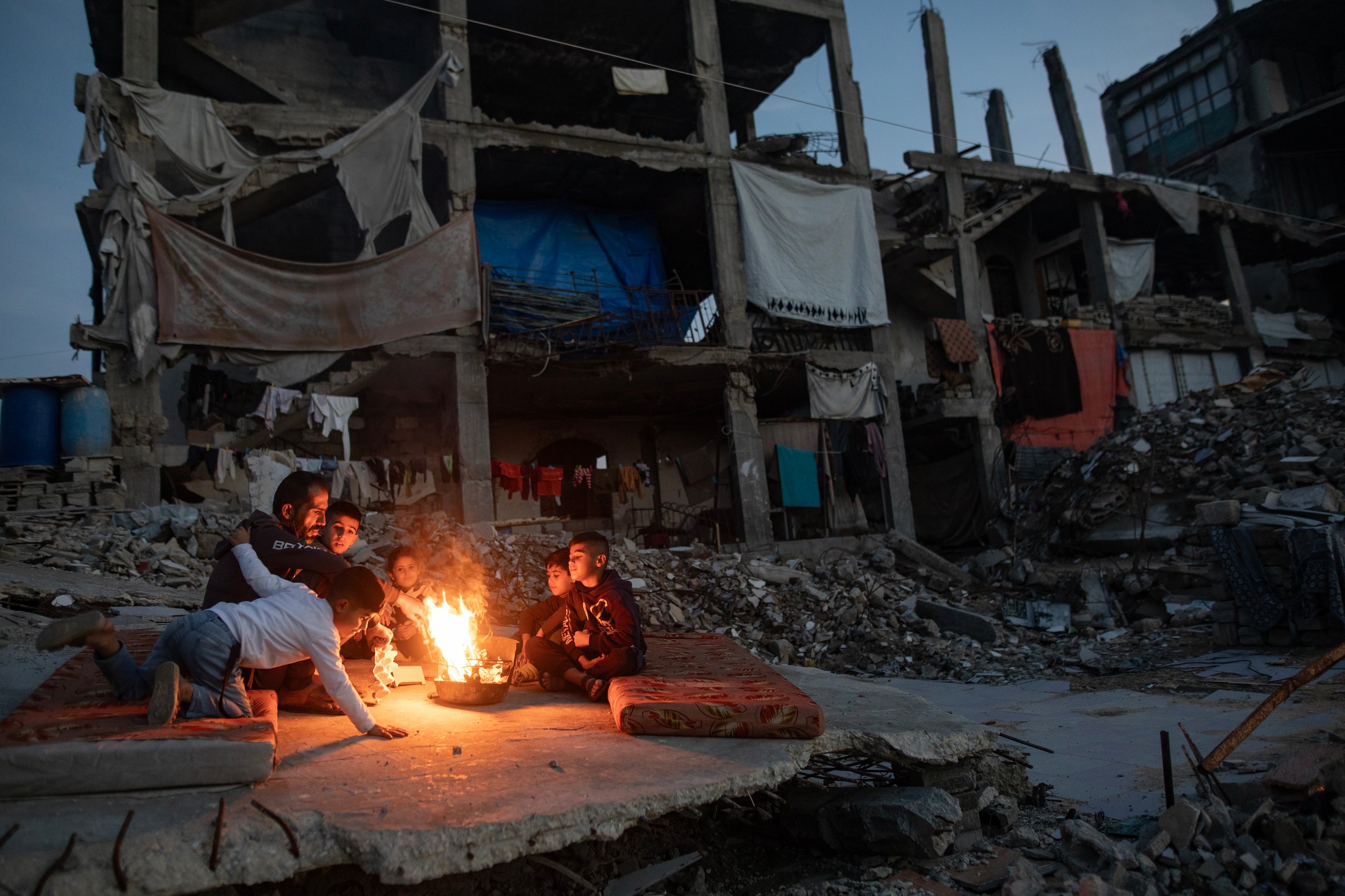

GAZA — As Israel’s military campaign continues to devastate Gaza, flattening civilian neighborhoods and dismantling the foundations of daily life, the United States and its European allies are advancing what they describe as a “Board of Peace” for the territory’s future. Framed as postwar diplomacy, the initiative is instead drawing fierce criticism as an attempt to manage the consequences of mass civilian destruction without addressing its cause.
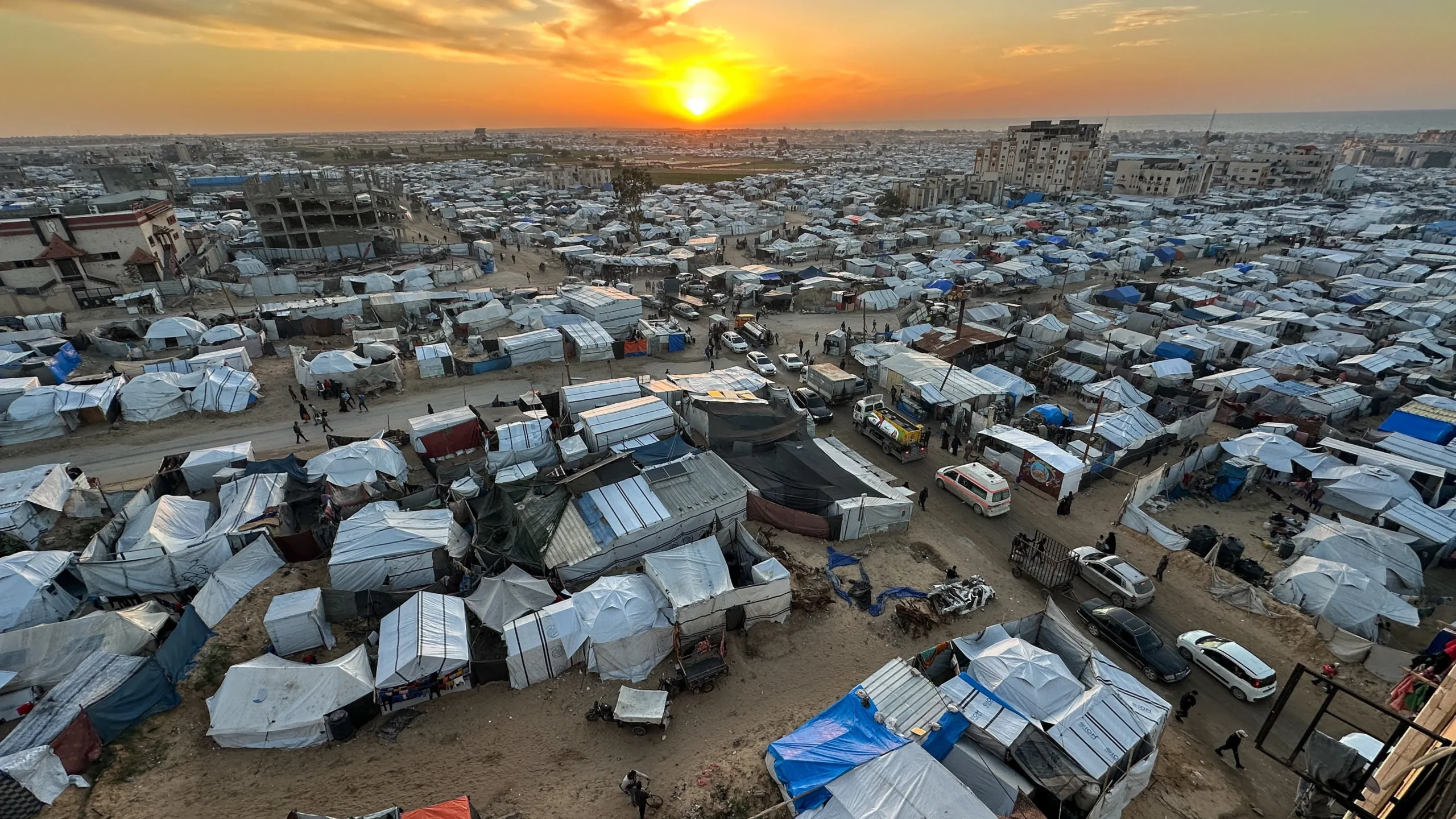
More than a year into the war, Gaza is experiencing a humanitarian collapse unprecedented in its modern history. Entire family lines have been erased, hospitals and universities reduced to rubble, and systems required for basic survival systematically dismantled. Reporting on the scale of devastation has documented not only deaths from bombardment, but long-term reproductive, medical, and public health damage, including a historic collapse in birth rates and maternal care.
Against this backdrop, Washington’s push for a peace board has raised alarm. According to Associated Press reporting, the proposed body would oversee elements of postwar governance and reconstruction. What it does not do is demand an immediate ceasefire, suspend arms transfers, or establish binding accountability mechanisms. The sequencing is telling: administrative planning has preceded any meaningful effort to stop the killing.
Diplomats involved in the discussions describe the board as part of a broader diplomatic architecture intended to stabilize Gaza once active hostilities subside. But Gaza is not post-conflict. Bombardment continues, displacement deepens, and civilian deaths mount. In this context, critics argue, peace planning risks becoming a tool of normalization, converting mass killing into a bureaucratic prelude to reconstruction contracts and oversight committees.
The initiative has also exposed the contradictions at the heart of Western policy. European governments that publicly invoke international humanitarian law have continued arms transfers and political backing even as evidence accumulates that Israel’s conduct meets thresholds associated with genocide under international law. Legal scholars note that third states are obligated not only to avoid committing atrocity crimes, but to prevent them.
An analysis published by Just Security underscores the growing legal scrutiny facing states that enable or legitimize such outcomes. The failure to impose sanctions or suspend military cooperation, the analysis argues, may expose governments to future legal liability.
For many Palestinians, the peace board represents a familiar pattern. Governance frameworks are proposed without Palestinian consent, sovereignty is deferred in favor of so-called “security coordination,” and accountability is postponed indefinitely. This dynamic, critics say, amounts to occupation by other means.
Israeli domestic politics further complicate the picture. Far-right ministers have openly rejected constraints on military operations and opposed external oversight. Reporting by The Guardian details how influential figures within Israel’s governing coalition view postwar panels less as peace mechanisms than as obstacles to maximalist territorial objectives.
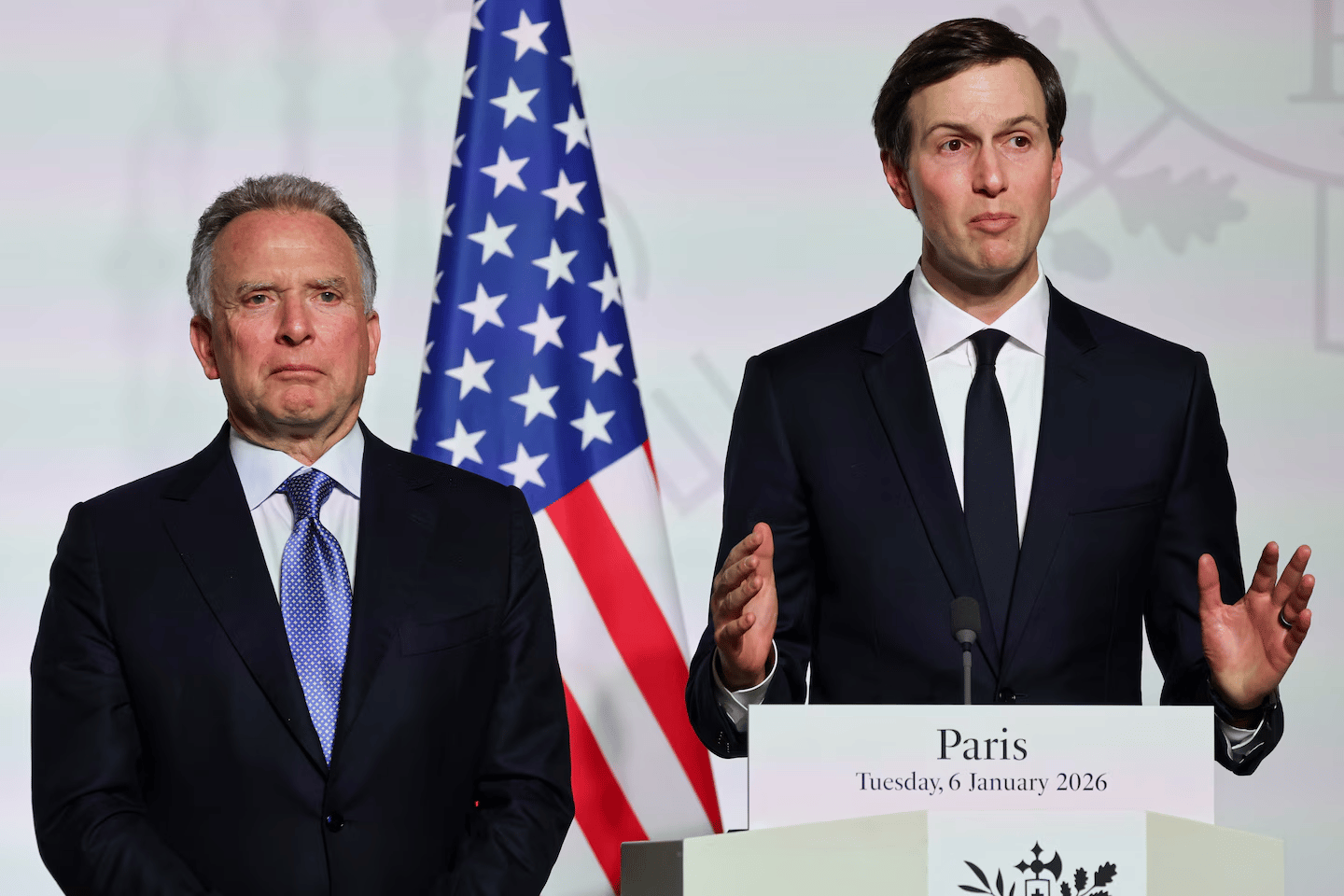
In Washington, officials defend the approach as pragmatic, arguing that imperfect diplomacy is preferable to a vacuum. But this framing treats chaos as an inevitable byproduct of war rather than the foreseeable outcome of deliberate policy choices that have systematically devastated civilian life.
The criticism has intensified amid reporting that participation in the board is tied to financial buy-in. According to The Washington Post, permanent influence within the framework is effectively priced, transforming diplomacy into a transactional marketplace and commodifying Palestinian suffering.
The legal risks of this approach are becoming increasingly explicit. Human rights organizations point to rulings and provisional measures from international courts that heighten the obligation of third states to prevent and not facilitate atrocity crimes. Human Rights Watch warns that continued facilitation without corrective action may expose governments to future legal consequences.
Yet the European Union, despite its formal commitments to international law, has taken no meaningful action against allied officials implicated in alleged war crimes linked to Israel’s campaign in Gaza. Sanctions and arms embargoes routinely applied elsewhere remain conspicuously absent.
Inside Gaza, such debates offer little comfort. Families sheltering amid ruins see a world eager to discuss administration and reconstruction but unwilling to stop the bombs. Each diplomatic initiative that sidesteps accountability deepens the perception that Palestinian lives are negotiable.
History suggests that peace built on denial is fragile. Post-conflict arrangements imposed without justice have repeatedly failed, entrenching resentment and sowing the seeds of renewed violence. Gaza’s experience under prolonged blockade and occupation has already demonstrated the limits of externally engineered stability.
The choice facing Western governments is stark. They can continue constructing institutions that legitimize the aftermath of mass civilian destruction, or they can confront the reality that genuine peace requires an immediate ceasefire, unrestricted humanitarian access, and accountability for crimes committed.
For Gaza’s survivors, the difference is not theoretical. It is the difference between a future that acknowledges their suffering and one that files it away under the language of “postwar governance.”
Related Posts