TEHRAN — US and Israel claims the killing of Ayatollah Arfi, Iran’s interim Supreme leader, in what viral social posts and some outlets describe as a precision airstrike on Tehran. The rumor has spread quickly across platforms like Reddit and Telegram amidst escalating Middle East conflict narratives.
According to these posts, the strike was launched shortly after Ayatollah Alireza Arafi assumed the role of interim Supreme Leader, a position he reached following the death of long-time Supreme Leader Ayatollah Ali Khamenei during joint US-Israeli military operations, a leadership shift that has thrust Iran into one of the gravest succession crises in its modern history, with a temporary leadership council taking charge amid constitutional uncertainty. Reuters reports on Iran’s succession crisis.
Contextualizing these developments is important. Arafi’s appointment came as part of a provisional leadership arrangement after Khamenei’s death in strikes earlier this month, when Iran named a temporary council of senior officials to oversee governance under Article 111 of its constitution, acting as the highest executive authority until a new Supreme Leader is selected by the Assembly of Experts. The creation of an interim council followed Iran’s constitutional guidelines for leadership transition.
Understanding Iran’s Interim Leadership Council
Iran’s current Interim Leadership Council, comprising President Masoud Pezeshkian, Chief Justice Gholam-Hossein Mohseni Eje’i, and Ayatollah Alireza Arafi, was formed immediately after reports of Khamenei’s death. This council is constitutionally mandated to exercise supreme authority until a permanent Supreme Leader is selected by the Assembly of Experts. What the Interim Leadership Council is.
Arafi, a senior cleric and long-standing figure within Iran’s clerical hierarchy, took on his interim role amid profound uncertainty. His profile includes leadership roles at major seminaries and as a member of the Guardian Council, which vets legislation and oversees elections, further embedding him within the country’s institutional power structure. Background on Ayatollah Alireza Arafi.
The multiplication of rumors about his reported death only reflects the intensity of online speculation and uncertainty, rather than corroborated fact. Large social platforms buzz with unverified claims, yet no formal statement from Tehran or major global outlets confirms the report. Analysts note the urgency with which unverified narratives can spread in conflict environments. Analysis of Iran’s power vacuum and digital rumor spread. :
Why Rumors Spread Quickly
In conflict environments, emotive narratives like targeted killings of top clerical leadership can spread before verification. The rumor about Arafi’s demise follows this pattern, amplified by digital platforms and geopolitical narratives. Analysts note how rapid cycles of social engagement often elevate unverified stories before editorial checks can intervene, especially in a landscape shaped by high-stakes conflict between Iran, the United States, and Israel. Observers of the leadership transition have highlighted how online speculation can outpace formal reporting. Expert analysis of Iran’s leadership uncertainty.
Alongside these dynamics, the announcement of internal policy shifts, such as interim leadership arrangements now functioning in Tehran, highlights how fast-evolving events can blur public perception and amplify speculation. Iranian officials have stated that the interim leadership council is actively managing state affairs as constitutional processes continue.
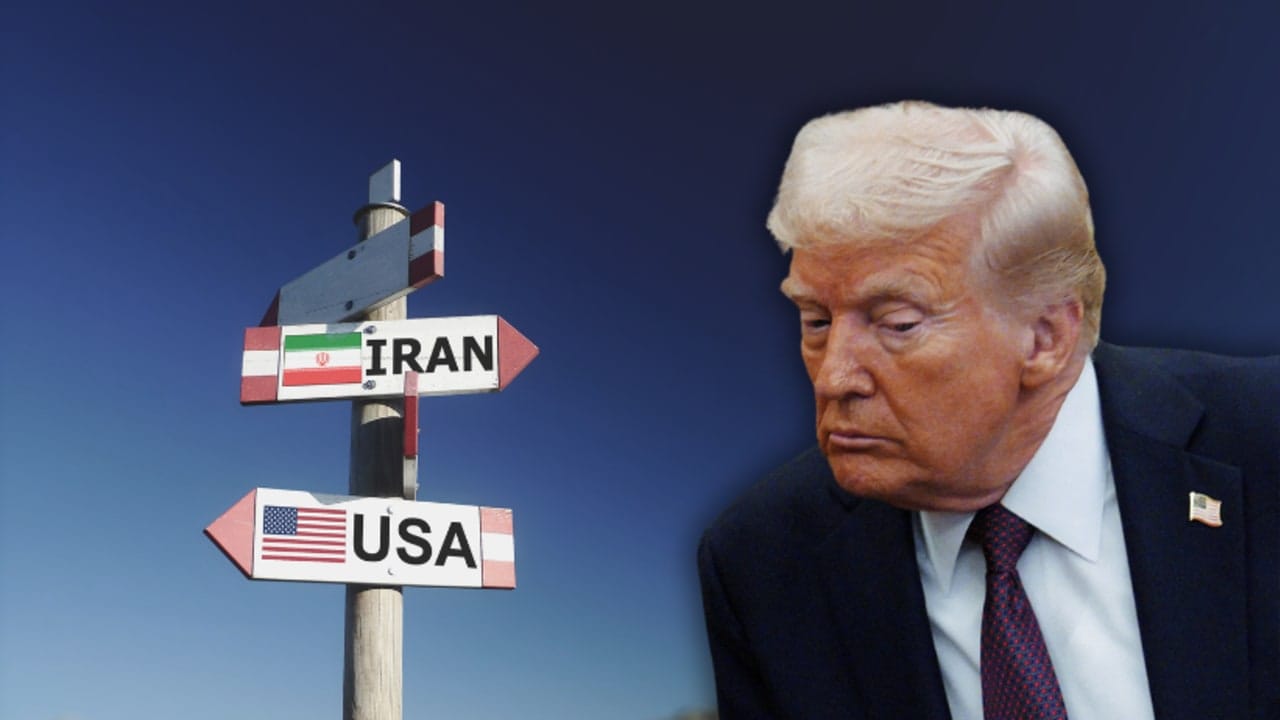
Amid this backdrop, longstanding tensions between Israel, the United States, and Iran continue to shape global headlines and public discourse. The broader conflict narrative, including strikes, counterstrikes, and diplomatic responses — sets the stage for such rumors to gain traction, regardless of verification. Western attempts to justify US–Israeli aggression and Iran–Israel conflict escalates with missile and drone strikes reflect underlying tensions that fuel such narratives.
Who Is Ayatollah Alireza Arafi?
Ayatollah Alireza Arafi is a senior Iranian cleric whose rise through the ranks of Iran’s religious establishment has positioned him as an influential figure in times of national transition. His roles in the Guardian Council and Assembly of Experts place him at the heart of Iran’s constitutional leadership structure. Arafi’s official profile and roles.
Viral posts that describe his alleged killing label him as Iran’s “interim Supreme Leader,” but this term requires nuance: the institutional structure defined by Article 111 entails a collective council rather than a single leader. Rumors oversimplify this constitutional reality, contributing to misunderstanding.
Regional and Digital Impacts
Even as credible reporting emphasizes Arafi’s continued role on the Interim Leadership Council, unverified rumors about his death demonstrate how rapidly geopolitics and digital amplification intersect. Such narratives can impact public perceptions, influence diplomatic messaging, and shape how conflict zones are viewed globally. Trump’s call for Tehran evacuation after Israeli strikes and Iran’s arsenal and resistance strategy against Israel illustrate how historical and ongoing narratives influence today’s discourse.
“Israel claims the killing of Ayatollah Arfi, Iran’s interim Supreme leader” has become a trending headline in social feeds, but the claim remains rooted in rumor and unverified posts. There is no formal confirmation from Iranian state media, global news agencies, or diplomatic sources to substantiate reports about Arafi’s death. As events unfold in this highly volatile period, readers are advised to exercise caution and rely on credible reporting rather than speculation.