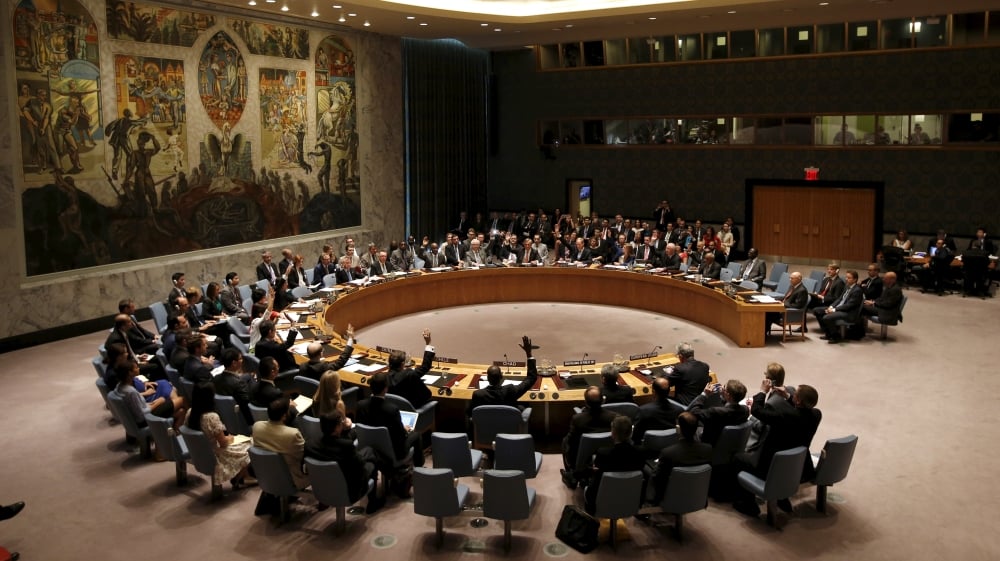
Iran’s ambassador to the United Nations told the UN Security Council that more than 1,332 civilians have been killed and thousands injured since the beginning of the United States-Israeli military campaign against Iran, warning that attacks on schools, airports, mosques and other civilian infrastructure have caused devastating human losses.
Speaking during an emergency session at the United Nations, Iran’s envoy said the war had already claimed the lives of more than 180 children and left entire communities traumatized by the destruction of public facilities. The figures, cited from data compiled by the Iranian Red Crescent, represent one of the most severe civilian tolls in the region’s recent conflicts. According to a Reuters report that Iran’s UN envoy said more than 1,332 civilians were killed, the casualties include hundreds of women and children.
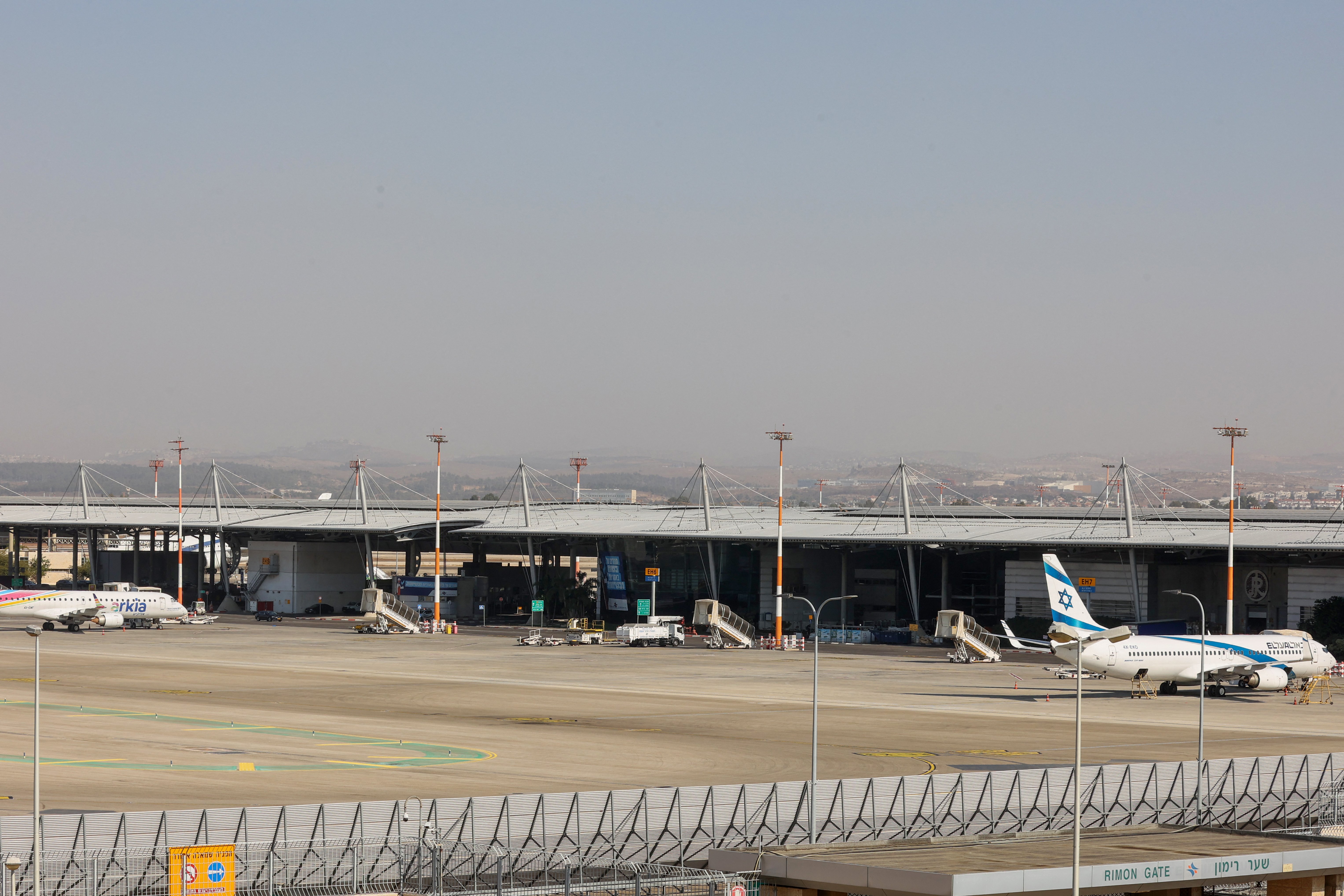
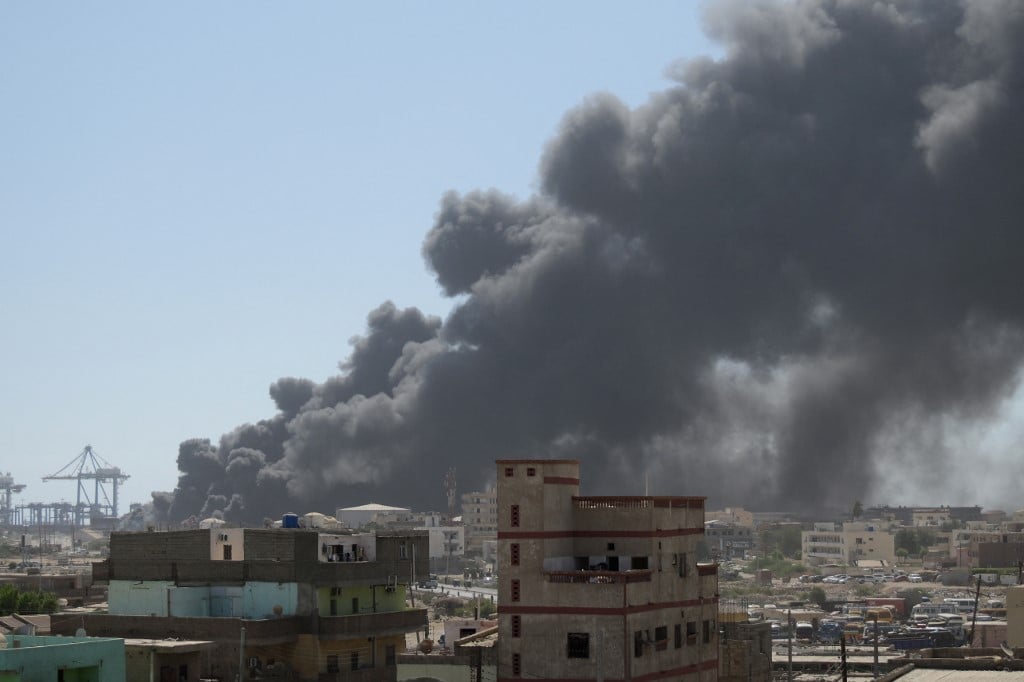
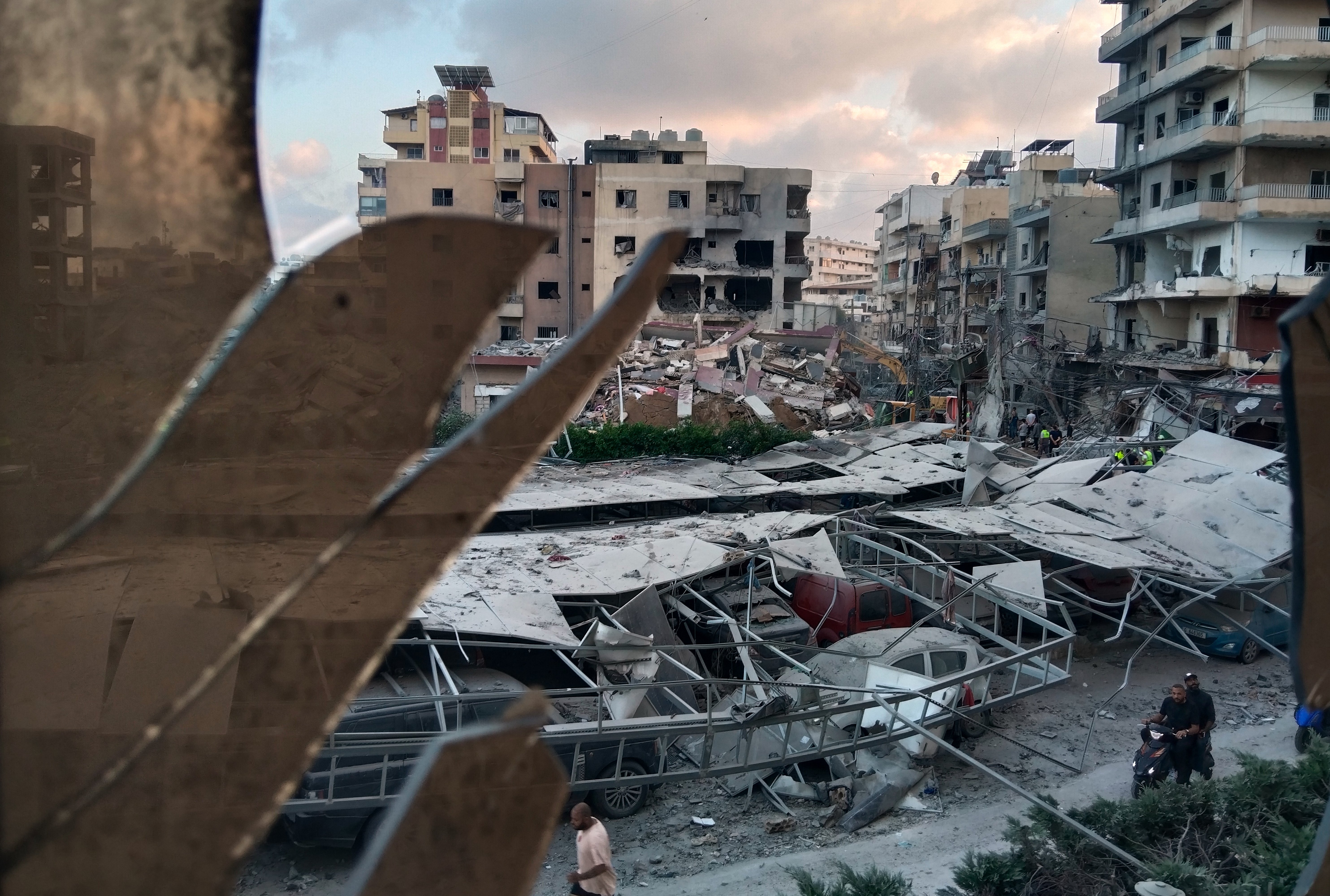
The envoy accused Washington and Tel Aviv of conducting a wide-ranging bombing campaign that struck civilian population centers across Iran, including educational institutions, sports complexes, airports and religious sites. According to Tehran, the attacks have resulted in large-scale destruction and humanitarian suffering while violating international humanitarian law.
The war began after a wave of airstrikes widely described as Israel attacks Iran, targeting military installations and infrastructure across several Iranian provinces.
Children among the victims
According to Associated Press Among the most shocking incidents cited by Iranian officials was the strike on a girls’ school in Minab, which Iranian authorities say killed large numbers of children during school hours.
The bombing of the school has become one of the most widely discussed tragedies of the conflict. Investigations and satellite analysis suggest that the blast may have been caused by air-delivered munitions during the opening phase of the military campaign.
International coverage described the attack as a school bombing that killed many children, triggering widespread condemnation from humanitarian organizations and UN officials.
Images of destroyed classrooms and rescue workers searching through rubble quickly spread across global media, showing backpacks, textbooks and personal belongings scattered across the site.
Rising civilian death toll
Iran’s UN envoy told diplomats that more than 1,330 civilians have been killed so far in the conflict. Thousands more have been injured as airstrikes and missile attacks continue across multiple regions of the country.
Tehran says the strikes targeted civilian infrastructure including schools and hospitals, raising concerns among humanitarian groups about the humanitarian consequences of the war.
Iran’s ambassador told the UN Security Council that attacks on public facilities such as airports, mosques and sports complexes have forced many families to flee urban areas.
The humanitarian situation inside the country is worsening as emergency services struggle to cope with the growing number of casualties.
Iran says it does not seek escalation
Despite the rising death toll, Tehran says it does not seek a wider regional war. Iranian diplomats told the United Nations that the country’s military response is defensive and aimed at protecting its sovereignty.
Iranian officials insist their retaliatory strikes are directed only at military targets. Those strikes came after what Tehran described as a US-backed Israeli campaign against Iranian territory.
The conflict intensified after Iran launched retaliatory missile strikes widely reported as Iran strikes Israel, marking one of the most dangerous escalations between the two countries in decades.
Regional tensions grow
The war has raised fears of a broader Middle East confrontation, with several countries warning that continued escalation could destabilize the entire region.
Regional governments and global powers have expressed concern about the potential consequences of prolonged fighting.
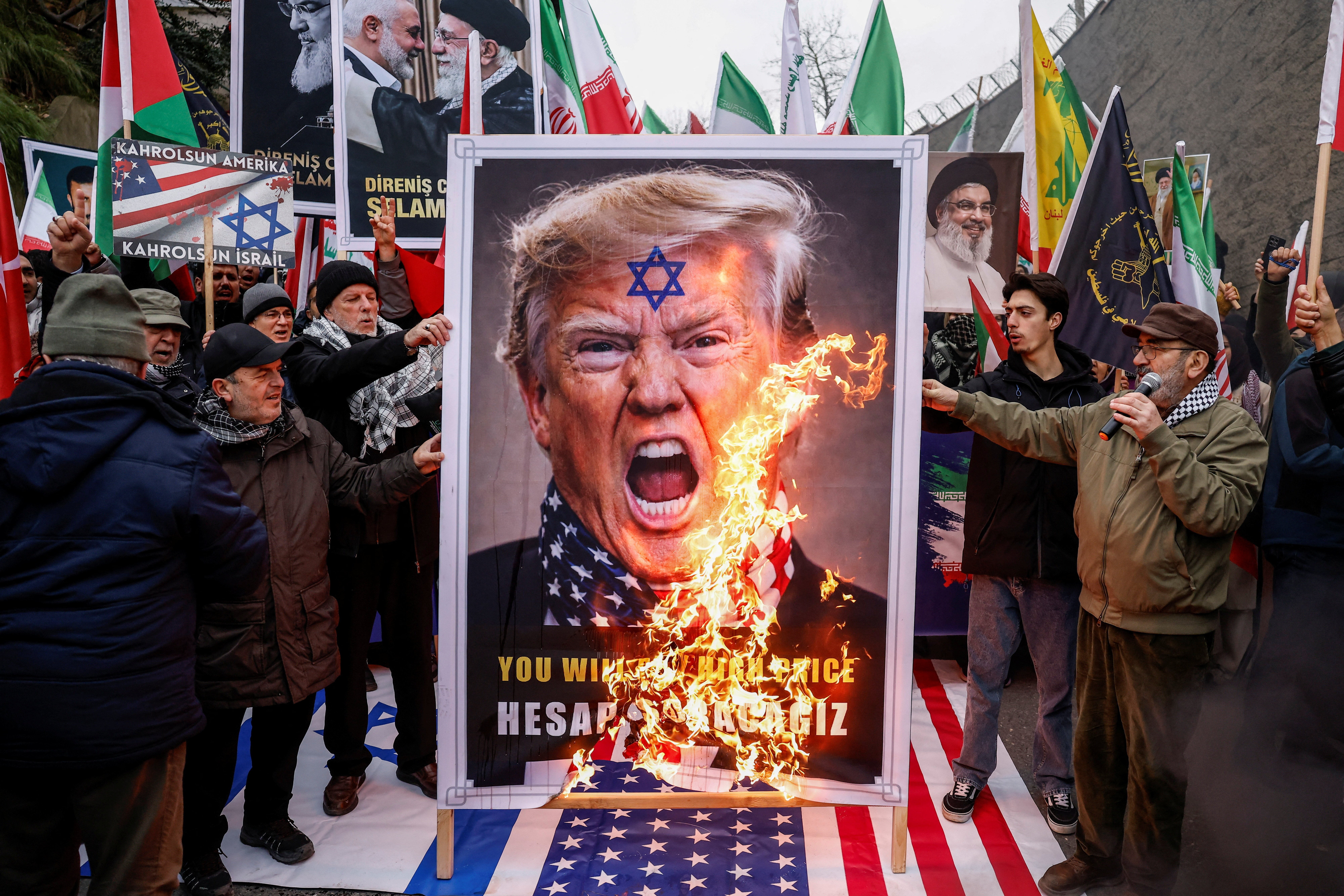
Diplomatic reactions have been mixed. Some governments have condemned the bombing campaign while others have supported Israel’s military actions.
Several countries have issued statements similar to Arab nations condemn Israeli attacks on Iran, warning that continued strikes could push the region toward a wider war.
Russia has also criticized the escalation, with Moscow’s position reflected in statements similar to Russia condemns Israeli attacks on Iran, calling for immediate de-escalation.
Diplomatic tensions at the United Nations
The confrontation has triggered heated debates at the United Nations Security Council. Iranian diplomats argue that the strikes violate international law and the UN Charter.
Western officials have rejected the accusations and defended the military campaign as necessary for security reasons.
Meanwhile, humanitarian groups warn that the civilian toll is continuing to rise as the war enters another phase.
With casualties mounting and infrastructure damaged, pressure is growing on world powers to push for diplomacy and prevent the crisis from spiraling into a wider regional conflict.
For now, however, the fighting shows little sign of stopping, leaving millions across the Middle East watching anxiously as the war between Iran, Israel and the United States continues to unfold.