Houston billionaire Tilman Fertitta has entered exclusive negotiations to acquire Caesars Entertainment in a deal valued at about $6.5 billion, a move that could reshape the landscape of the US casino industry and ignite a high-stakes battle with activist investor Carl Icahn for control of one of the country’s largest gambling empires.
The proposed acquisition values Caesars at roughly $32 per share, with the total enterprise value of the transaction climbing to around $31.5 billion when the company’s substantial debt is included. According to a Reuters report on Fertitta Entertainment in talks to buy Caesars for $6.5 billion, negotiations are taking place during a 45-day exclusivity window between the parties.
The discussions come at a moment of increasing consolidation in the casino sector, where major operators are attempting to strengthen their market position as competition intensifies across traditional resorts and digital betting platforms.
A Potential Power Shift in the Casino Industry
If completed, the acquisition would place one of the world’s most recognizable casino brands under the control of Fertitta’s hospitality empire, which includes Golden Nugget casinos, Landry’s restaurant group, and numerous entertainment properties.
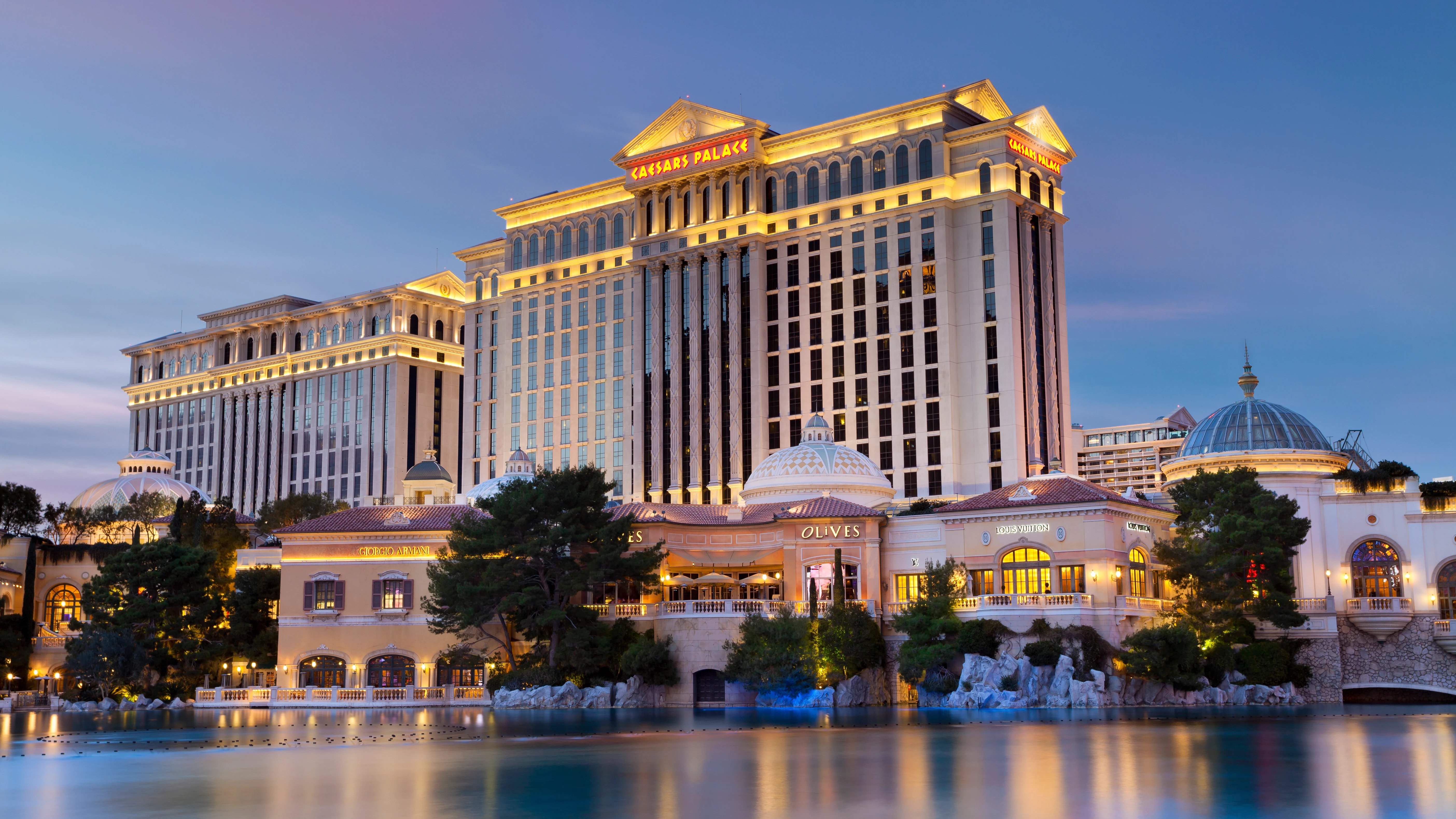
Caesars Entertainment operates more than 50 casino resorts across North America, including several iconic Las Vegas Strip properties. Reports indicate that Fertitta has been exploring a purchase of the company for months, with earlier discussions suggesting a possible valuation of around $7 billion, according to a Reuters report citing Wall Street Journal coverage of Tilman Fertitta in talks to buy Caesars.
The casino giant has faced mounting financial pressures in recent years. It has reported losses for four consecutive quarters, partly driven by declining visitor numbers in Las Vegas during 2025, which has raised concerns about the sustainability of growth in the region’s tourism-driven gaming economy.
A Bidding Battle With Carl Icahn
The negotiations also coincide with a competing bid from billionaire investor Carl Icahn, whose investment firm Icahn Enterprises has reportedly proposed an all-cash offer for Caesars.
Icahn’s proposal is believed to be around $33 per share, slightly higher than the price currently under discussion with Fertitta. Analysts say the competing offers could lead to a bidding contest between two powerful figures in American business.
Coverage from the Wall Street Journal on Fertitta topping a rival bid from Icahn suggests that the takeover negotiations may continue to evolve as investors evaluate the long-term value of Caesars’ gaming and hospitality assets.
Why Caesars Remains a Major Target
Despite recent financial struggles, Caesars retains an extensive portfolio of gaming resorts and hospitality properties across the United States.
The company’s network of casinos includes destinations in Las Vegas, Atlantic City, and several regional gaming markets. These properties generate billions in annual revenue from hotel stays, entertainment events, gaming operations, and digital sports betting platforms.
Industry analysts note that the company’s vast brand recognition and nationwide footprint make it a compelling acquisition target, particularly for investors looking to expand their presence in the global gambling market.
Complex Real Estate Structure
Any acquisition of Caesars would also involve navigating the company’s complex real estate structure.
Many of the casino operator’s physical properties are owned by Vici Properties, a real estate investment trust created during Caesars’ bankruptcy restructuring. Caesars leases these properties under long-term agreements that generate billions of dollars in annual rent payments.
This arrangement means that any buyer must carefully structure a deal to avoid disrupting existing property agreements, which could complicate the takeover process.
Tilman Fertitta’s Expanding Business Empire
Fertitta has spent decades building one of the most influential hospitality empires in the United States. His company operates hundreds of restaurants, entertainment venues, and hotels across the country.
The billionaire entrepreneur is also the owner of the NBA’s Houston Rockets and has invested heavily in the casino sector through his Golden Nugget gaming properties.
Industry observers say that acquiring Caesars would significantly expand Fertitta’s influence in the global gambling industry, potentially creating one of the largest privately controlled casino groups in the world.
Financial Pressures Across the Gambling Sector
The potential acquisition also reflects broader shifts taking place across the gambling industry.
Online betting platforms and mobile casino apps have rapidly expanded in recent years, forcing traditional casino operators to invest heavily in digital technology while maintaining large resort properties.
The rapid expansion of digital gambling markets has already reshaped the industry. For example, recent analysis on sports betting expansion in Missouri highlights how new regulations are opening fresh markets for casino operators.
Meanwhile, debates over the social impact of gambling continue to shape policy decisions in major cities. A report on New York City’s casino expansion and addiction risks illustrates how governments are balancing economic opportunities against concerns about problem gambling.
At the same time, labor disputes within casino operations have drawn national attention. One example includes casino dealer labor disputes in Indiana, which underscored tensions between gaming corporations and employees.
Beyond labor and regulatory challenges, casino expansion projects have also faced community resistance. In New York, the rejection of a proposed Times Square casino project demonstrated how local opposition can reshape major development plans.
Market Reaction
News of the takeover discussions triggered a surge in Caesars’ stock price, with shares rising sharply as investors anticipated the possibility of a premium buyout offer.
Financial analysts say the market’s response reflects strong expectations that at least one of the competing bidders could move forward with a formal acquisition proposal.
However, the negotiations remain preliminary, and neither Fertitta Entertainment nor Caesars Entertainment has publicly confirmed the discussions.
What Comes Next
The coming weeks will likely determine whether the talks evolve into a finalized takeover agreement.
If Fertitta and Caesars reach a deal, the acquisition could become one of the most significant private takeovers in the modern casino industry. But if negotiations collapse, the door could reopen for competing bidders such as Icahn or other investors seeking a foothold in the rapidly evolving global gambling market.
Either outcome would signal the beginning of a new phase of consolidation in the casino sector, as companies compete for dominance in an industry increasingly defined by large-scale resorts, digital betting platforms, and global tourism.