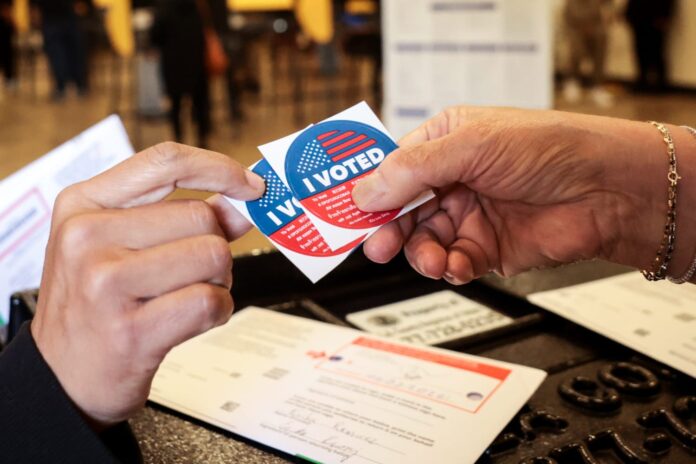

In the shadow of Arrowhead Stadium and the roar of Chiefs Kingdom, Missouri’s gambling landscape underwent a seismic shift on Monday as sportsbooks across Kansas City flung open their doors, marking the official launch of legalized sports betting in Missouri. After voters narrowly greenlit Amendment 2 in November 2024 by a razor-thin margin of just over 5,000 votes, the state’s casinos and mobile apps sprang to life at midnight, offering fans a chance to wager on everything from the afternoon’s Mizzou-KU basketball clash to the evening’s NFL showdown between the Chiefs and Houston Texans.
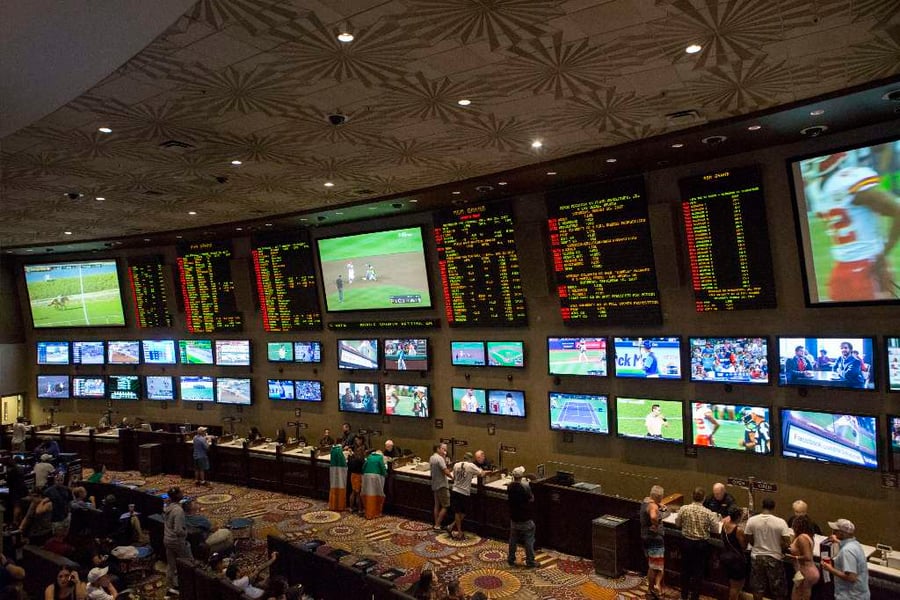
At Argosy Casino in Riverside, one of the first physical sportsbooks to welcome bettors, more than 100 seats filled quickly under a canopy of massive television screens broadcasting live games. Ticket writers stood ready to field questions on odds, while servers delivered food and drinks straight to patrons’ spots, a setup designed to keep eyes glued to both screens and scoreboards. “There is a dedicated group of individuals who are passionate about sports betting. We want to attract these enthusiasts to experience what we offer,” said Tyrone Myrick, Argosy’s vice president of marketing, capturing the buzz that has electrified the region.
Ameristar Casino in Kansas City rolled out its Fanatics Sportsbook with equal fanfare, tapping Royals Hall of Famer Alex Gordon to place the inaugural bet, a nod to the city’s deep sports heritage. Harrah’s followed suit, unveiling a Caesars Sportsbook amid promises of cutting-edge tech and immersive viewing. Meanwhile, mobile giants like DraftKings, FanDuel, Circa Sports, BetMGM and bet365 activated their apps statewide, allowing Missourians to bet from couches, tailgates or anywhere within state borders.
A Narrow Victory Unlocks Billions in Bets
The path to this moment was anything but smooth. Missouri’s Amendment 2 squeaked through with 50.07 percent approval, becoming the 39th state to legalize sports betting post the US Supreme Court’s 2018 decision in Murphy v. National Collegiate Athletic Association. Proponents touted potential tax revenues of $25 to $30 million annually for education and problem gambling programs, arguments that swayed just enough voters to avoid a recount demanded by opponents wary of predatory online operators and vague language.
Opposition groups like Missourians Against the Deceptive Online Gambling Amendment decried the measure as a giveaway to out-of-state betting behemoths, but their challenge fizzled. Now, with implementation in full swing under the Missouri Gaming Commission, the state eyes a slice of the national bonanza: Americans wagered $150 billion on sports in 2024 alone, fueling scandals from college basketball to the NFL while pouring billions into state coffers.
Kansas City, long a sports mecca straddling the Kansas-Missouri line, stands to gain disproportionately. Bettors previously crossed into Kansas for legal wagers; now, local venues like Argosy, drawing on experience from its sister properties, aim to capture that action. “We’ve been here over 30 years, so we don’t get new things all the time,” Myrick noted. “This is exciting for us to deliver something new.” Convenience reigns supreme, as one local bettor put it: no more state-line treks for Blues hockey or Royals baseball odds.
From Riverboats to Mobile Apps: The New Frontier
Argosy’s sportsbook, integrated into an expanded casino floor, boasts a dedicated kitchen, a rarity among Kansas City newcomers, alongside 36 high-definition TVs and wagering kiosks. Penn Entertainment, its parent company, leverages years of operation at Hollywood Casino to fine-tune operations, from peak-hour staffing to customer habits. Nearby, the Fanatics venue at Ameristar promises VIP lounges and exclusive promos, while Caesars at Harrah’s integrates loyalty perks for seamless crossover from slots to spreads.
Mobile betting, expected to dominate 80-90 percent of handle per industry trends, hit the ground running. Gambling.com Group and BetMGM announced launches touting bonus bets up to $365, drawing pre-registrations in the tens of thousands. Fox Sports highlighted bet365’s Missouri debut with code FOX365, underscoring the promotional blitz saturating airwaves and apps.
Launch day aligned perfectly with marquee matchups: Mizzou versus KU at T-Mobile Center at noon, followed by Chiefs-Texans under the lights at Arrowhead. Early action focused on NFL moneylines and college hoops overs, with Chiefs favored by 7.5 points amid Patrick Mahomes’ MVP chatter. Yet beneath the excitement lurks caution: Missouri’s 2022 gambling prevalence study flagged rising addiction risks, prompting mandatory self-exclusion tools and revenue earmarks for treatment.
National Echoes: New York City’s Casino High Stakes
As Missouri dives into sports wagering, New York City hurtles toward its own gambling milestone. On the same December 1, the state Gaming Facility Location Board convened in Manhattan to award up to three downstate casino licenses, full-scale resorts with slots, tables and poker, absent from NYC since the 19th century. Bidders Bally’s (at Trump’s former Ferry Point golf course), Hard Rock-Cohen and Resorts World vied fiercely, promising $10 billion in development and thousands of jobs.
The board’s criteria weighted economic impact at 70 percent, scrutinizing each proposal’s projected $2 billion-plus license fees and tourism boosts. Bally’s chairman Soo Kim exuded confidence: “We put our best effort out there. I don’t think we have any weak spots.” A win there triggers a $115 million payout to the Trump Organization, stirring political undercurrents in a city where casino fever pits neighborhood opposition against revenue hunger.
Decisions due by December 1 pave for Commission licensure by year-end, accelerating New York’s haul from already-legal upstate casinos and mobile sportsbooks. Nationally, this convergence signals gambling’s inexorable march: 39 states with sports betting, 25 with commercial casinos, and scandals shadowing stars like Jontay Porter and Tucupita Marcano.
Risks and Rewards in America’s Betting Boom
Missouri’s rollout spotlights the dual-edged sword of legalized gambling. Revenue projections dazzle, $30 million yearly for schools, but critics invoke the 2018 PASPA repeal’s darker legacy: point-shaving probes, insider leaks and a 30 percent uptick in problem gambling calls. States like Kansas, with mature markets, report cross-border shifts; Missouri bettors now stay home, but at what societal cost?
Regulators mandate integrity fees to leagues, geofencing for in-state wagers and 21+ verification. Yet enforcement lags innovation: AI-driven parlays and micro-bets proliferate, evading traditional safeguards. In Kansas City, where Chiefs tickets command premiums, sportsbook adjacency tempts impulse plays during sold-out games.
Looking ahead, Missouri’s experiment will inform holdouts like California and Texas. With NYC’s licenses looming, the heartland’s launch underscores a cultural pivot: sports fandom fused with financial stakes, promising prosperity laced with peril. As one Argosy patron mused amid the screens’ glow, “It’s closer to home now, convenient, yeah, but hope it doesn’t hit too close.”
Across the betting floor, wagers flowed on futures from Super Bowl odds to March Madness brackets. Chiefs moneyline at -350 drew steady action, while KU’s spread versus Mizzou sparked heated debates among alumni. By evening, handle topped early estimates, signaling Missouri’s place in America’s $500 billion gambling galaxy, a show-me state now showing all-in.