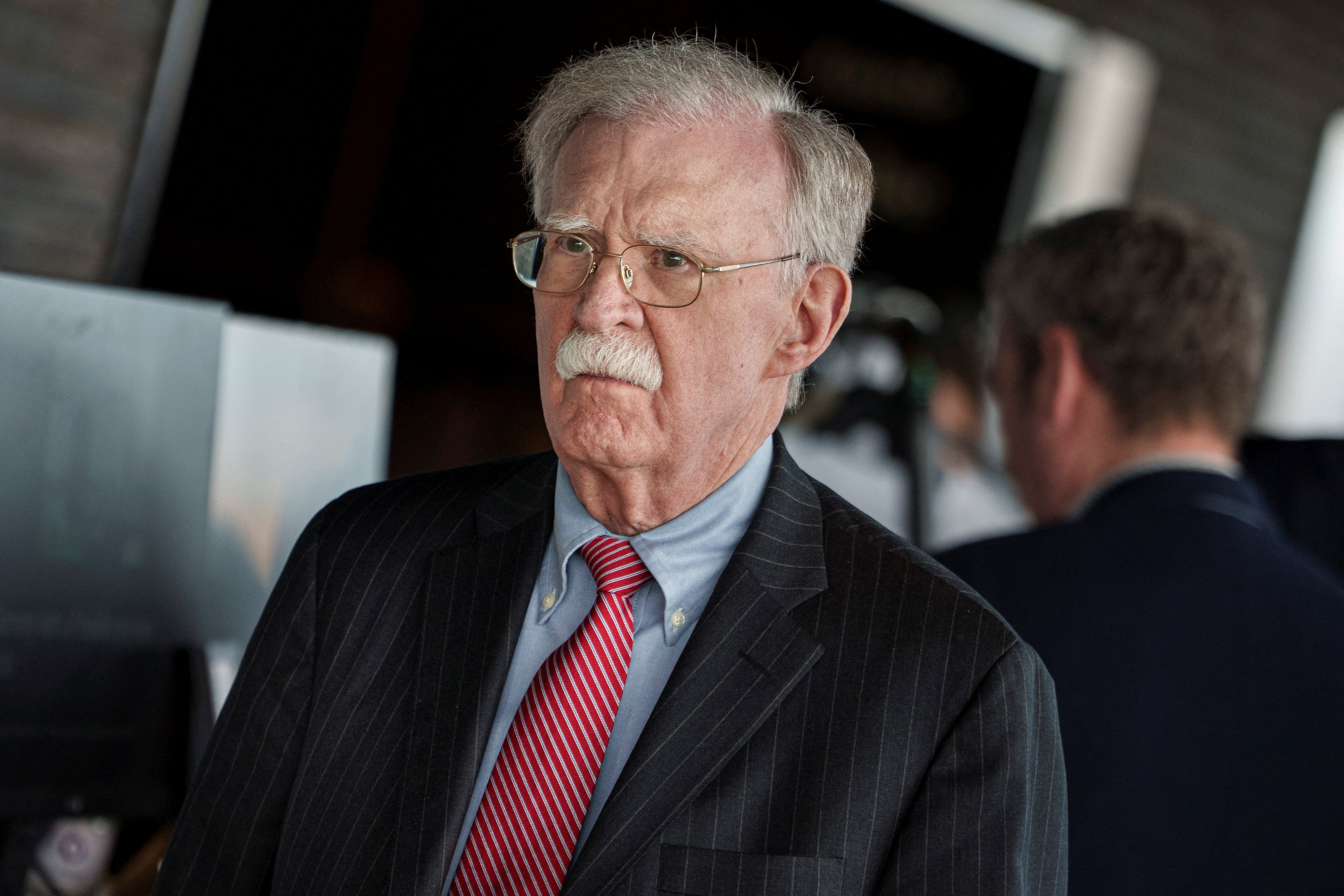
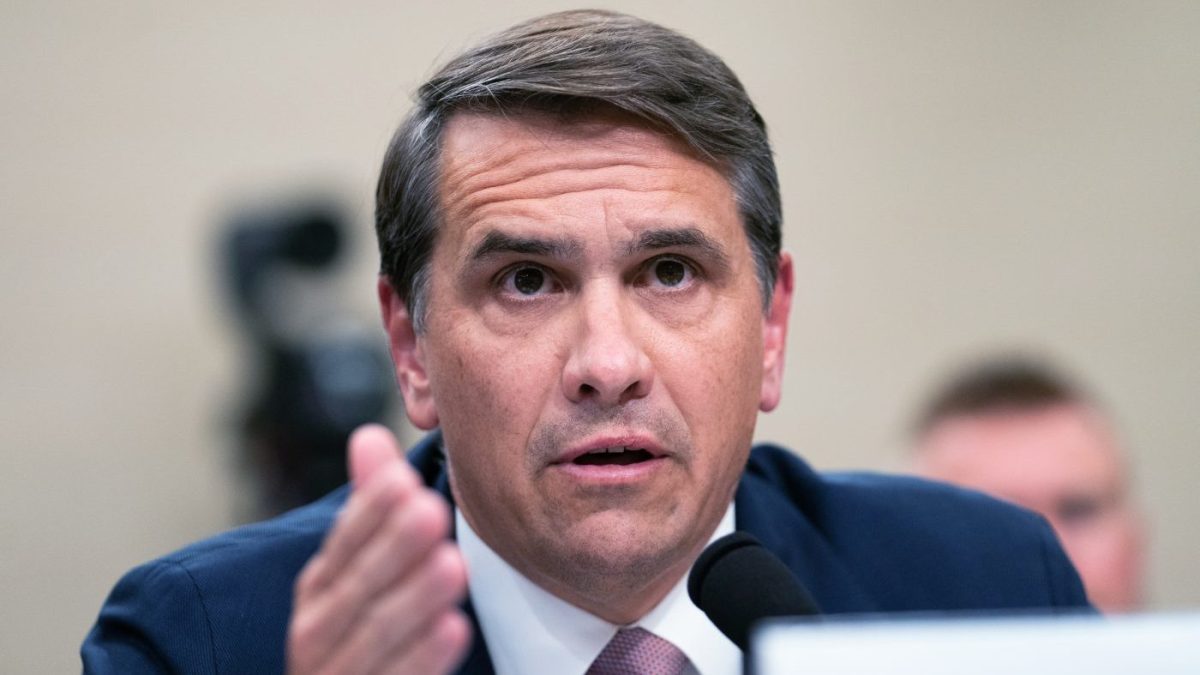
WASHINGTON — A Senate confirmation hearing meant to evaluate leadership at one of the most powerful federal agencies in the United States devolved into a deeply personal and politically charged confrontation on Wednesday, as Senator Rand Paul openly challenged President Donald Trump’s nominee for Secretary of Homeland Security, Senator Markwayne Mullin.
The exchange, unfolding at the Senate Homeland Security and Governmental Affairs Committee, underscored not only policy disagreements but also a rare and visible rupture within Republican ranks, raising broader questions about leadership, temperament, and the direction of national security policy.
A Hearing Marked by Personal Accusations
From the opening moments of the confirmation hearing, Paul, a Republican from Kentucky and chair of the committee, set a confrontational tone. He directly accused Mullin of having a troubling record of rhetoric that appeared to justify political violence, a charge rooted in comments Mullin had made years earlier.
Paul referenced a 2017 incident in which he was seriously injured after being assaulted by a neighbor, an event that left him hospitalized with multiple broken ribs. He said Mullin had previously expressed understanding of the attacker’s actions, a claim that Mullin disputes.
“I just wonder,” Paul said during the hearing, “if someone who appears to justify violence against political opponents is the right person to lead an agency that must enforce the law with restraint.”
Mullin Pushes Back
Mullin, a Republican from Oklahoma and longtime ally of Trump, rejected the characterization, insisting that his remarks had been misunderstood. He denied endorsing violence and framed his comments as an acknowledgment of public frustration rather than approval of an attack.
Attempting to pivot away from the confrontation, Mullin emphasized his legislative experience and his willingness to work across party lines. He portrayed himself as a pragmatic leader capable of stabilizing a department that has faced months of controversy and operational strain.
He also directly addressed Paul, suggesting that their personal differences should not overshadow the broader responsibilities of the role.
A Broader Debate About Leadership
The Department of Homeland Security is among the most complex and politically sensitive agencies in the federal government, overseeing immigration enforcement, border security, disaster response, and counterterrorism operations.
Mullin’s nomination comes at a particularly turbulent moment. The department has been grappling with a funding impasse, internal dysfunction, and growing scrutiny over its enforcement practices.

Yet the hearing made clear that concerns about his temperament extend beyond budgetary issues.
Immigration Policy at the Center
Much of the underlying tension surrounding Mullin’s nomination stems from the administration’s aggressive immigration enforcement policies. Critics argue that such measures risk deepening divisions and undermining civil liberties, while supporters see them as necessary for border control.
This debate reflects broader concerns raised in discussions around aggressive immigration enforcement and its societal implications.
Questions About Transparency and Credibility
In addition to the clash with Paul, Mullin faced scrutiny over claims related to his past experiences, including references to classified missions.
Several senators questioned the lack of documentation or clarity surrounding these claims, raising concerns about transparency. Paul indicated that the matter may be reviewed in a classified session, signaling that the issue could influence the final vote.
Past Controversies Resurface
The hearing also revisited other moments from Mullin’s political career that have drawn attention, including a prior near-physical confrontation during a Senate proceeding.
Such incidents have fueled arguments that temperament should be a central factor in evaluating his suitability for the role, especially in a tense Senate confirmation hearing environment.
A Department in Transition
Mullin’s nomination follows the removal of former Homeland Security Secretary Kristi Noem, whose tenure was marked by controversy and internal turmoil.
The leadership change reflects an effort by the administration to reset the department’s direction, but the hearing suggested that challenges remain deeply entrenched.
Bipartisan Complexity
While the confrontation between Paul and Mullin drew significant attention, the broader political landscape surrounding the nomination is more complex. Some Democrats have expressed skepticism, while others have indicated openness to supporting Mullin.
Likely Path to Confirmation
Despite the contentious hearing, Mullin remains likely to be confirmed. Republicans hold a majority in the Senate, giving the administration a structural advantage, though opposition could still influence the margin.
A Reflection of Broader Political Trends
The hearing reflects broader shifts in American politics, where internal party divisions are becoming more visible and personal dynamics increasingly shape public debates.
It also connects to the wider Trump administration’s foreign policy approach, where assertiveness and confrontation have become defining features.
What Comes Next
As the confirmation process moves forward, attention will likely focus on whether Mullin can secure enough support and how he plans to address the operational and political challenges facing the Department of Homeland Security.
In a hearing defined by confrontation and scrutiny, the debate over leadership at the agency is far from settled.