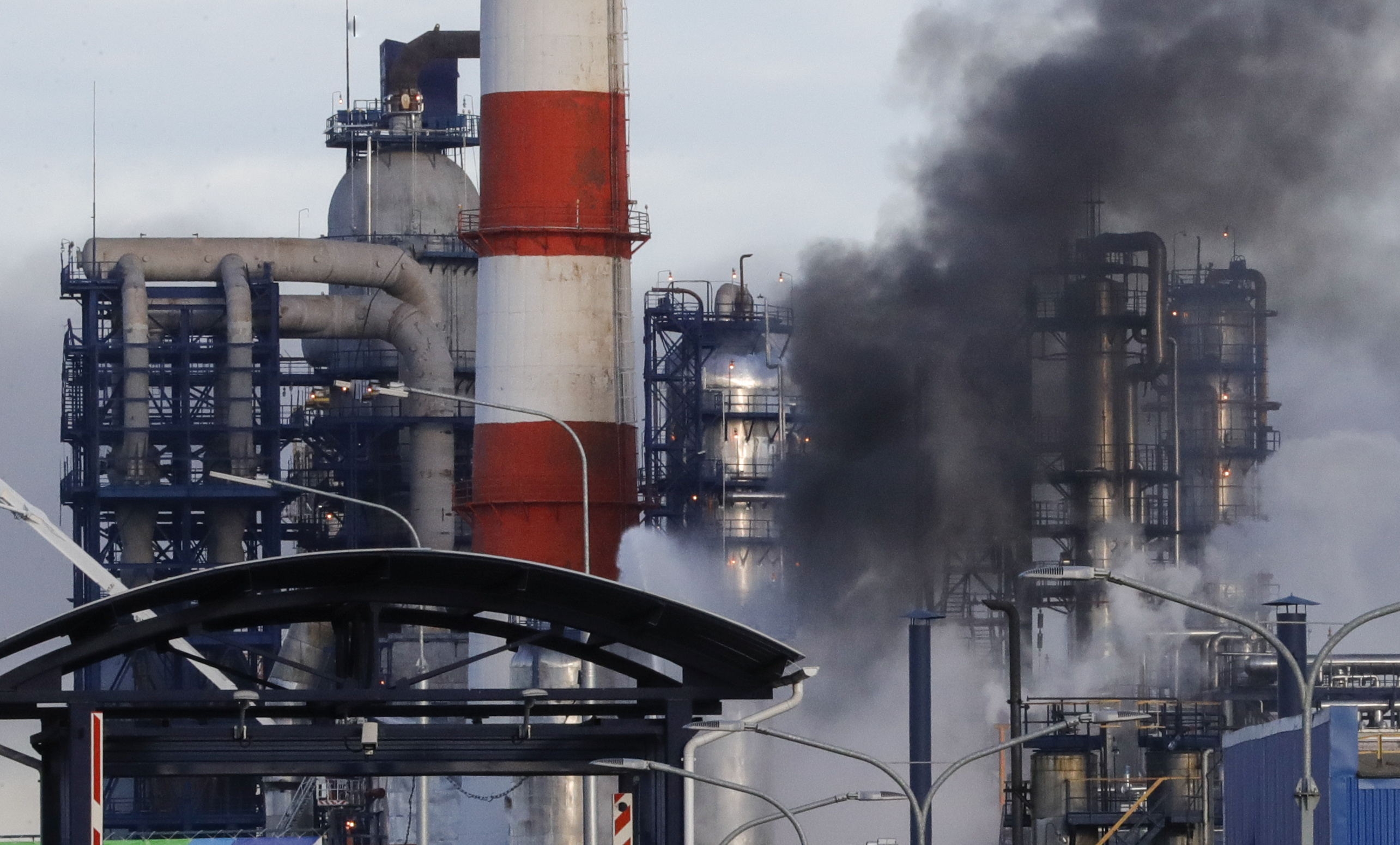

ST. PETERSBURG — The agreement was short on volumes, as such deals tend to be. But the setting — a private meeting on the sidelines of Russia’s most prominent annual economic showcase — signaled something more deliberate: Kazakhstan’s deepening reliance on Russian gas at a moment when its own northern infrastructure has struggled to keep pace with demand.
Gazprom announced Thursday that its chief executive, Alexey Miller, met at the St. Petersburg International Economic Forum with Roman Sklyar, the recently appointed head of Kazakhstan’s Presidential Administration, to sign a deal on additional deliveries of Russian natural gas to the republic for the rest of 2026. The statement, brief by Gazprom’s standards, disclosed no specific volume but described the agreement as covering supplemental supplies beyond what the two sides had already contracted.
Sklyar, who moved from the position of first deputy prime minister to the presidential administration in May, has been one of the Kazakh government’s principal interlocutors with Gazprom going back years. During Vladimir Putin’s visit to Astana in late May, the Russian president noted that Gazprom was maintaining gas supplies to Kazakhstan’s northern regions — a politically charged acknowledgment given long-standing gaps in the country’s own grid coverage there.
Thursday’s signing adds to a layered set of energy arrangements between Moscow and Astana that has grown substantially since 2023. Gazprom reported last December that its combined exports to Kazakhstan, Uzbekistan and Kyrgyzstan rose 20 percent in 2025, with Kazakhstan serving not only as an end-customer but as the transit corridor for Russian gas flowing south toward Uzbekistan through the Soviet-era Central Asia–Center pipeline system, now operating in reverse mode.
The expanded role has made Kazakhstan a dual stakeholder in Russian gas flows — dependent on them domestically while earning transit revenue from volumes destined for its neighbors. That structural position shapes Astana’s negotiating posture in ways that pure buyers do not enjoy, but it also creates exposure: any interruption in Russian supply now carries downstream consequences for Uzbekistan and Kyrgyzstan, adding diplomatic weight to what might otherwise be a routine bilateral energy agreement.
At October’s St. Petersburg International Gas Forum, the two sides signed a memorandum of intent to build a major new cross-border gas pipeline with an initial capacity of 10 billion cubic meters per year — part of Gazprom’s broader push to pivot eastward after the collapse of its European market position following the start of the Russian operation in Ukraine. The long-term vision discussed by the two sides encompasses infrastructure that could eventually carry 45 billion cubic meters annually, with a third of that allocated to onward export to China via Kazakh territory.
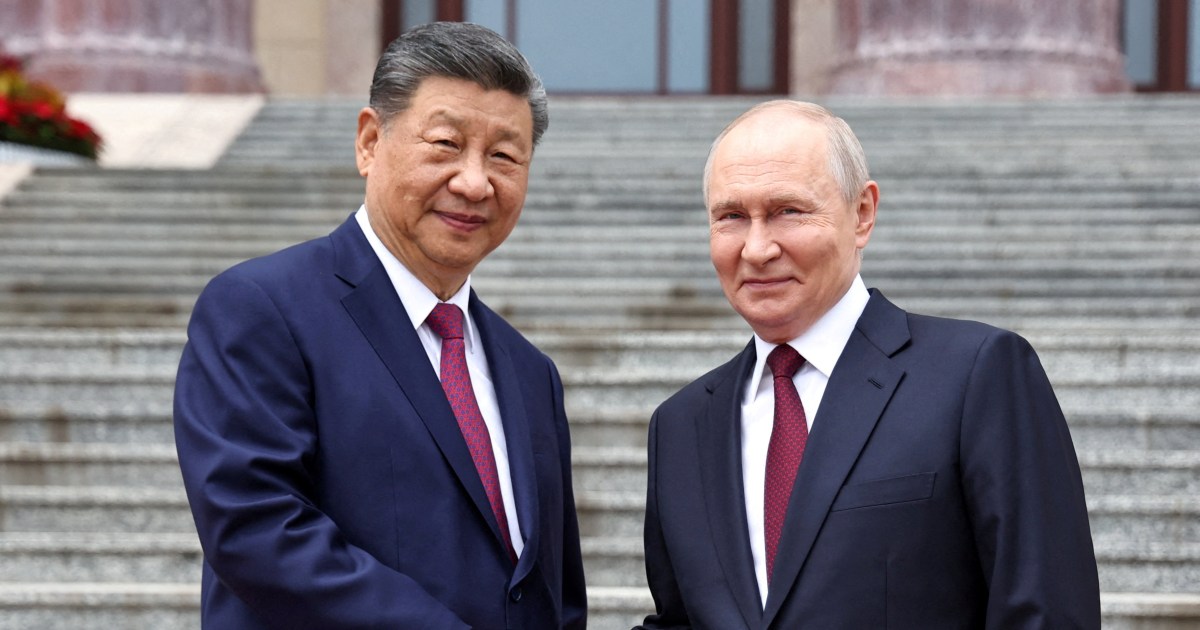
Whether Thursday’s supplemental deal reflects a genuine supply shortfall or functions primarily as a diplomatic gesture on the sidelines of SPIEF is not entirely clear from the statement. The forum, running through Friday, has become a venue for Russia to demonstrate the durability of its non-Western economic partnerships, and energy agreements — even incremental ones — carry visible signaling value at the event.
What is documented is that Kazakhstan’s northern and northeastern regions — Kostanai, Aktobe, West Kazakhstan — continue to depend on Russian imports to meet demand that domestic production has not fully bridged. The Saryarka gasification project, intended to extend the domestic grid into those areas, has moved slowly. Russian gas has functioned as the interim answer, and successive agreements at SPIEF, EEF, and bilateral meetings have institutionalized that arrangement rather than resolved its underlying cause.
Gazprom, for its part, has every incentive to deepen those ties. At a separate SPIEF session Wednesday, Miller and the Gas Exporting Countries Forum projected global gas demand rising by a third by mid-century, with Central Asia and the Asia-Pacific region described as the fastest-growing market. Kazakhstan sits at the intersection of both: a customer, a corridor, and, if the long-term pipeline plans proceed, a potential relay point for Russian volumes moving toward China.
How much additional gas the new agreement actually covers — and whether it represents a single top-up or the opening of a renegotiation ahead of 2027 contract talks — Gazprom has not said.
—Inputs from RIA Novosti, Sputnik.