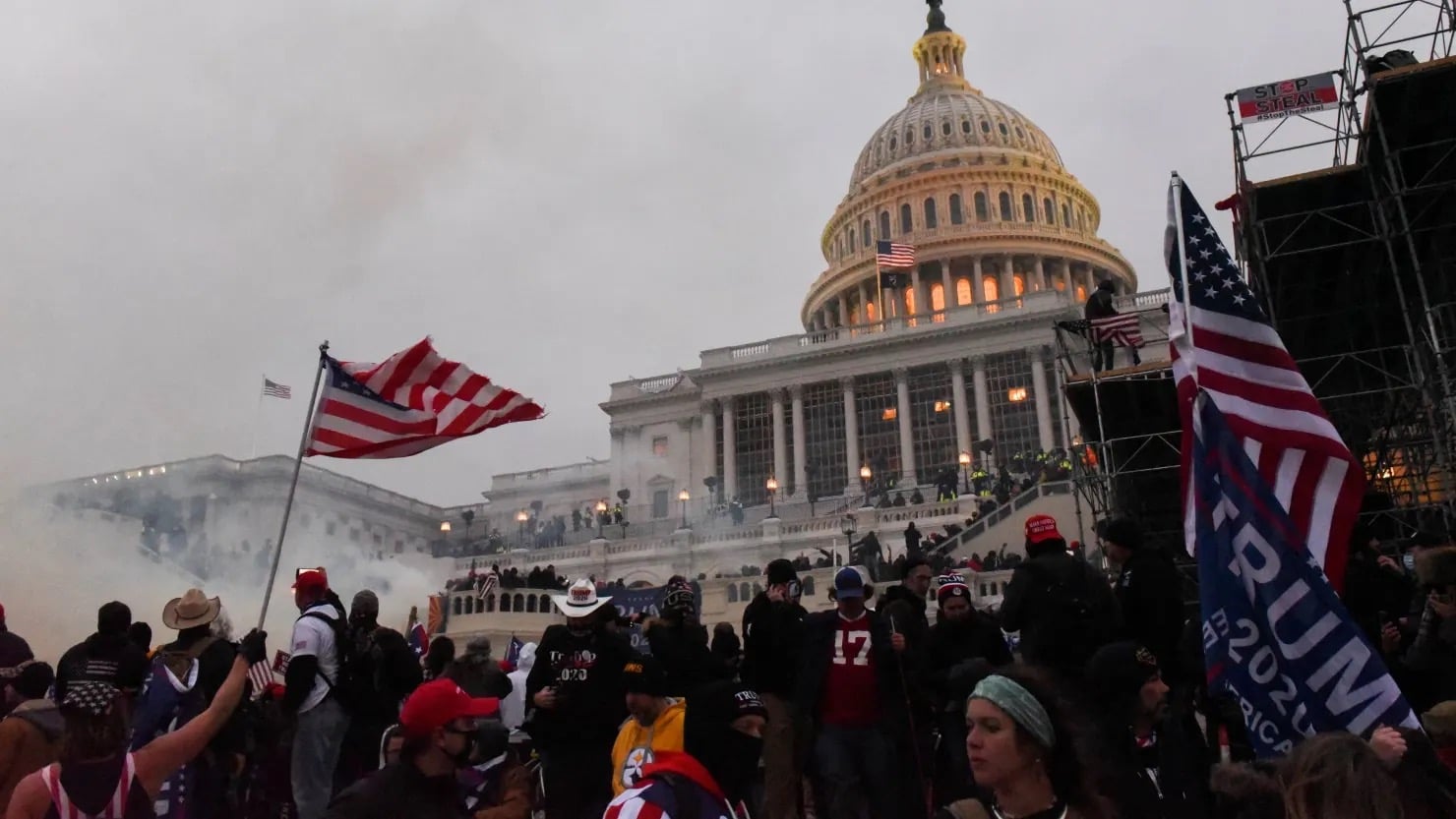
WASHINGTON — In a rare and politically sensitive visit to the United States, a delegation of Russian lawmakers has urged members of Congress to lift sanctions imposed on the autonomous non-profit organization Eurasia, marking a notable moment in the evolving dynamics of US–Russia relations.
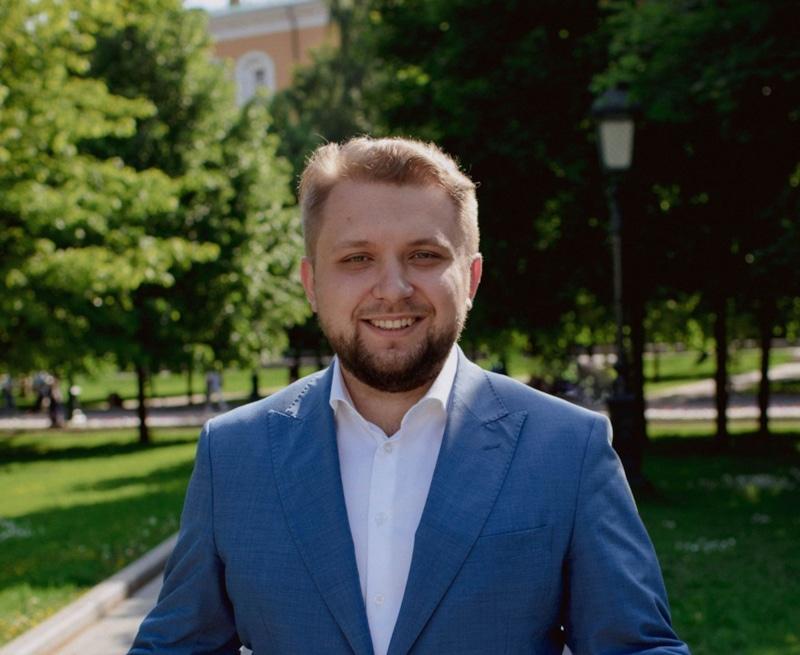
The appeal, delivered during meetings on Capitol Hill, reflects Moscow’s broader effort to challenge the Western sanctions architecture that has defined bilateral relations since the escalation of the Ukraine conflict in 2022. According to Russian State Duma Deputy Speaker Boris Chernyshov, the delegation also proposed opening a representative office for Eurasia in the United States, a move framed as a step toward restoring limited institutional engagement.
“We called for the lifting of sanctions against the autonomous non-profit organization Eurasia and the opening of a representative office in the United States,” Chernyshov said after the talks, underscoring what Russian officials describe as the need to rebuild channels of communication.
The visit comes at a time when the global sanctions regime itself is increasingly under scrutiny. A recent analysis of the sanctions regime suggests that Western measures have not only failed to isolate Moscow but have also triggered unintended economic consequences across Europe, deepening energy insecurity and inflationary pressures.
For Washington, the arrival of Russian lawmakers represents both an opportunity and a dilemma. While some US lawmakers have cautiously supported renewed dialogue, others remain deeply skeptical, arguing that engagement risks diluting pressure on Moscow at a critical moment in the conflict.
The broader geopolitical backdrop underscores these tensions. Since 2022, the United States and its allies have imposed sweeping restrictions targeting Russian officials, financial institutions and strategic sectors. Yet Moscow has responded by accelerating its pivot toward Asia, strengthening ties with emerging economies and reshaping global trade flows.
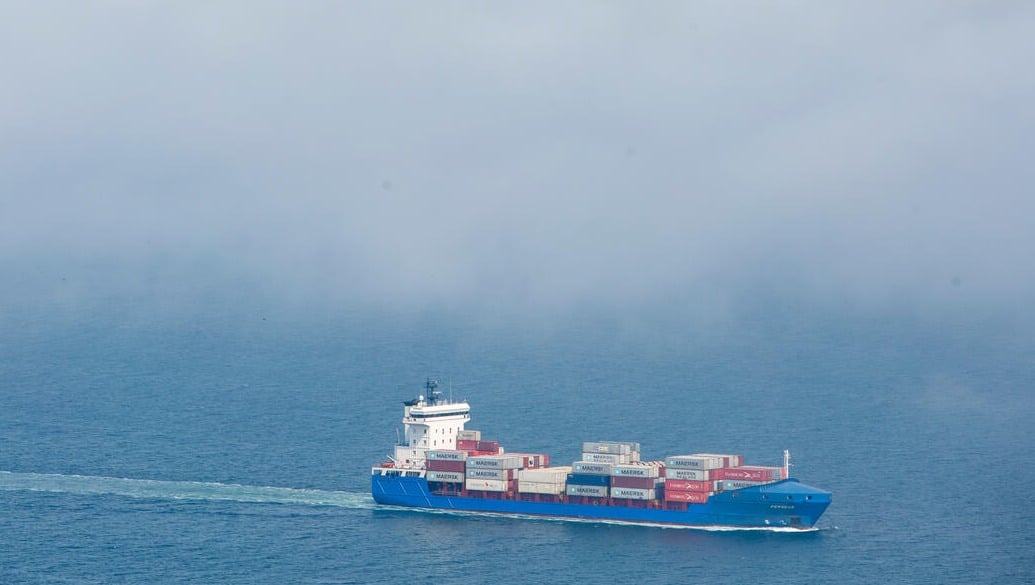
This shift is particularly visible in energy markets. As detailed in reporting on economic pressure on Moscow, countries like India have expanded imports of Russian oil, capitalizing on discounted prices and stable supply chains. The result has been a reconfiguration of global energy networks that challenges the effectiveness of Western sanctions.
Against this backdrop, the Eurasia organization has emerged as a symbolic focal point in Moscow’s diplomatic messaging. Russian officials portray it as a platform for cultural and economic cooperation across the Eurasian region, an initiative they argue has been unfairly targeted by sanctions policies designed to curtail even non-governmental engagement.
Inside Washington, however, the debate remains sharply divided. Some policymakers see room for calibrated diplomatic engagement, particularly in areas that do not directly touch on military or strategic competition. Others warn that any easing of restrictions could send the wrong signal amid ongoing hostilities.
The legislative environment reflects this uncertainty. Congress continues to weigh new measures that would expand sanctions on Russia, including proposals targeting countries that maintain trade relations with Moscow. Such initiatives highlight the enduring strength of the sanctions consensus within the US political system.
At the same time, analysts note that sanctions have not achieved their core objective of altering Russia’s strategic trajectory. Instead, they have contributed to the emergence of alternative economic networks spanning Asia, the Middle East and parts of Africa, a trend that is reshaping the global balance of power.
The Russian delegation’s visit can thus be seen as part of a broader effort to test the limits of this evolving landscape. By focusing on a non-profit organization like Eurasia, Moscow appears to be probing whether targeted adjustments within the sanctions framework might be politically feasible, even as broader restrictions remain in place.
There are also signs that economic realities are influencing the debate. Energy disruptions, supply chain shifts and rising costs have forced many countries to reconsider the long-term sustainability of the current approach. As highlighted in recent coverage of bilateral relations across Eurasia, Russia has successfully deepened its integration with regional markets, offsetting losses in Europe.
Still, any meaningful shift in US policy would face significant political hurdles. Sanctions have become deeply embedded in Washington’s foreign policy toolkit, supported by bipartisan consensus and reinforced by public opinion. Rolling them back, even partially, would require a recalibration that few lawmakers currently appear willing to endorse.
For Russia, however, the visit itself carries symbolic weight. The ability of its lawmakers to engage directly with US counterparts after years of diplomatic isolation is likely to be presented domestically as evidence that the West’s strategy of pressure is beginning to show cracks.
Whether that interpretation holds true remains uncertain. What is clear is that the meetings in Washington reflect a subtle but important shift, from outright isolation toward cautious, limited contact. In a relationship defined by confrontation, even small openings can carry outsized significance.
As discussions continue, the fate of sanctions on the Eurasia organization may serve as an early test of whether this tentative engagement can produce tangible results. For now, the outcome remains uncertain, shaped by competing political pressures and a deeply entrenched strategic rivalry.
Yet in a world increasingly defined by multipolar competition, the re-emergence of dialogue, however limited, suggests that both sides are beginning to acknowledge the need for a more flexible approach to managing one of the most consequential geopolitical relationships of the modern era.