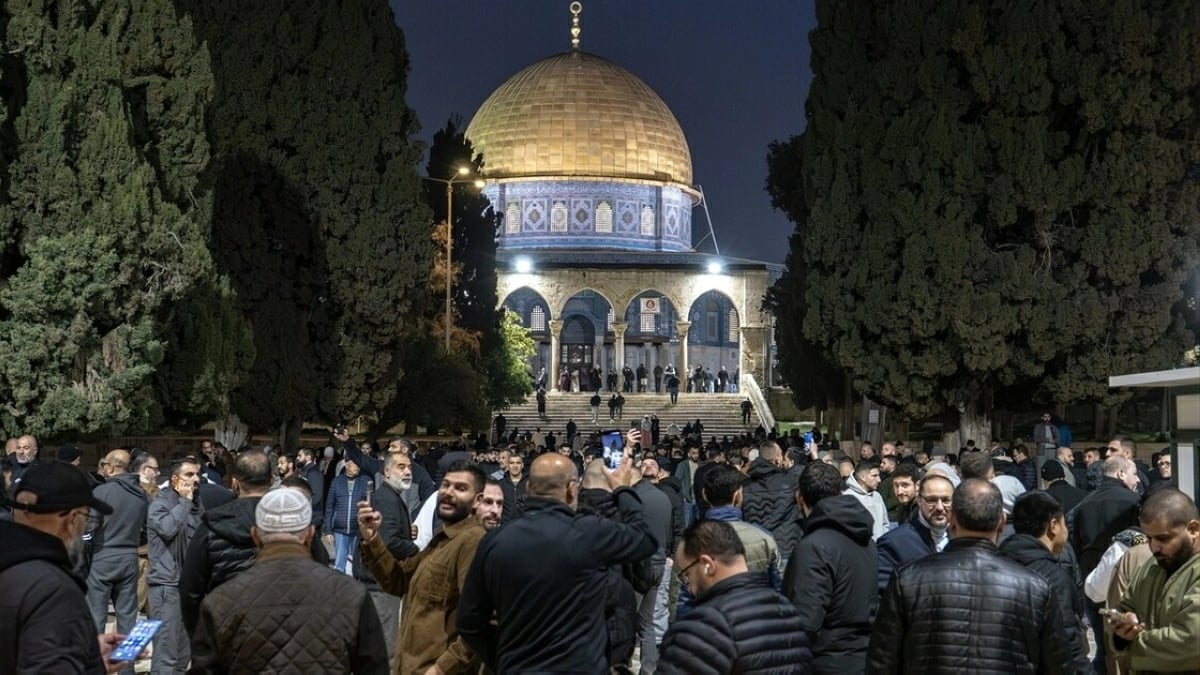

Gaza — Thousands of Palestinians streamed into the Al-Aqsa Mosque compound on Thursday, returning to one of Islam’s holiest sites after a 40-day restriction that had sharply limited access and inflamed tensions across Jerusalem.
The reopening, however, did not signal calm. Instead, it unfolded against a backdrop of intensifying violence in Gaza, mounting accusations of a Gaza genocide, and the killing of a journalist in an Israeli strike, developments that together have deepened fears of a wider and more volatile phase in the conflict.
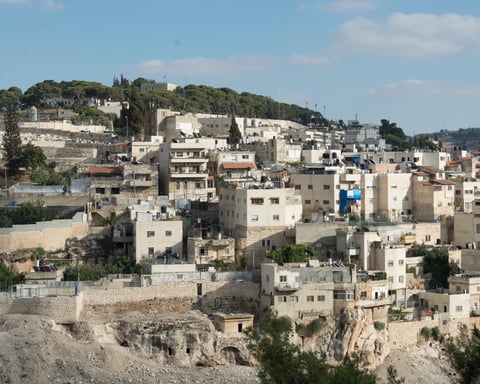
By early morning, worshippers had gathered in large numbers within the sprawling compound known to Muslims as Haram al-Sharif, performing prayers under tight security. The return marked a rare moment of access after weeks of restrictions that had drawn condemnation across the Muslim world.
The closure itself was unprecedented in scope. For the first time in decades, access to the site, long governed by a delicate post-1967 arrangement, had been severely curtailed, prompting warnings that the longstanding status quo was eroding.
Now, even as prayers resumed, new tensions emerged. Reports indicated that Israeli settler groups made record attempts to carry out ritual animal sacrifices inside the compound, a move widely seen as a direct challenge to existing religious arrangements and a potential trigger for wider unrest.
For many Palestinians, the developments reinforced a sense that Al-Aqsa, a site that has historically acted as a flashpoint, remains at the center of a broader political struggle.
Gaza War Intensifies
At the same time, hundreds of kilometers away in Gaza, Israeli airstrikes continued to exact a deadly toll.
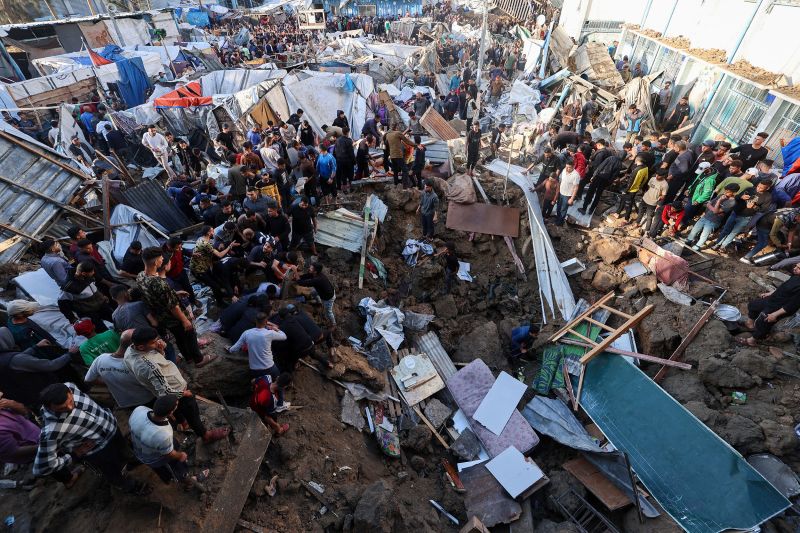
In one of the most recent incidents, an Israeli strike killed multiple Palestinians near a school sheltering displaced families, underscoring the risks faced by civilians seeking refuge.
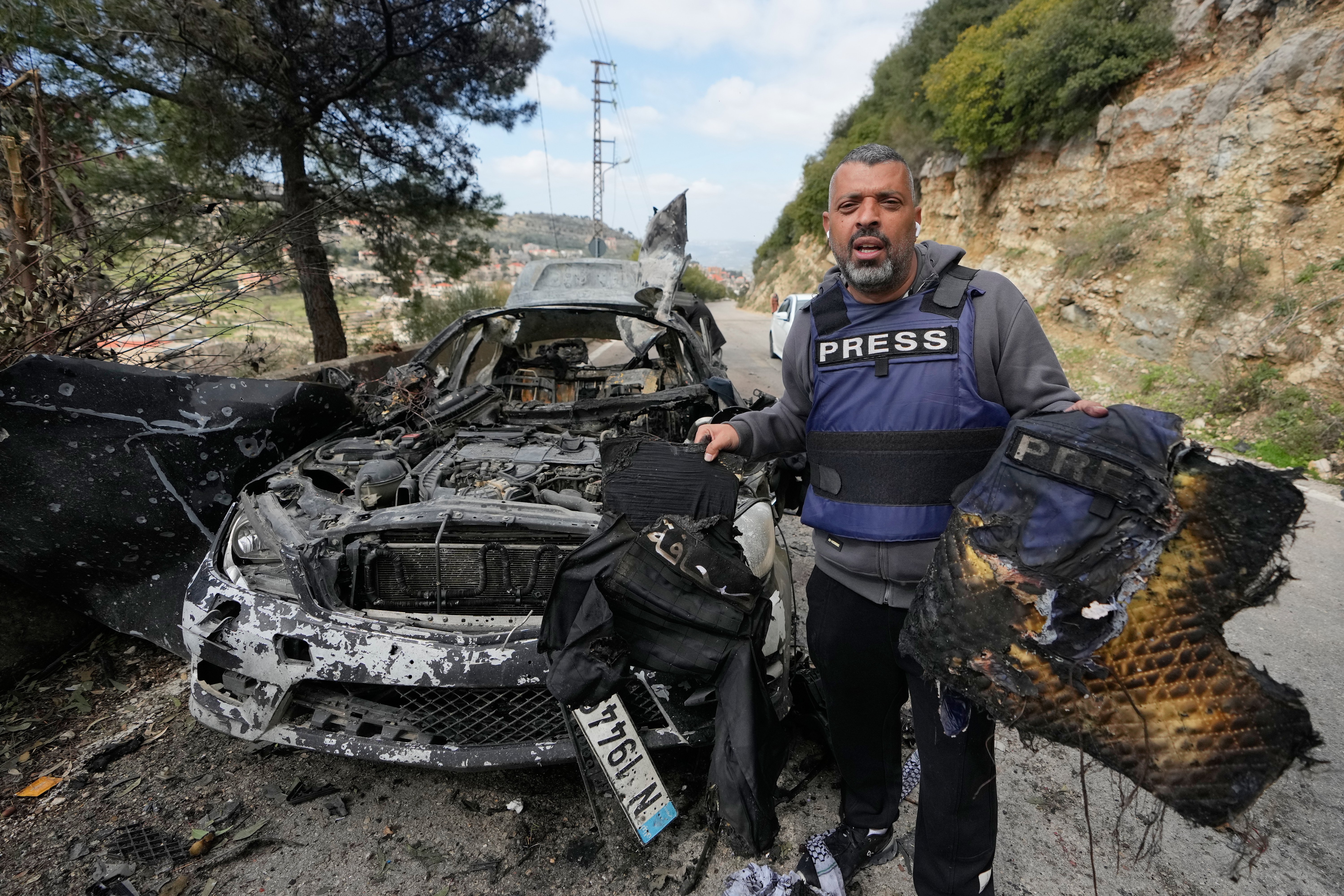
In a separate attack, a journalist working with Al Jazeera was killed in Gaza City when a drone strike hit a vehicle he was traveling in, according to the network and medical officials. Al Jazeera reported that correspondent Mohammed Wishah died at the scene.
Civilian Toll and Allegations of Genocide
Beyond individual strikes, the humanitarian situation in Gaza continues to deteriorate.
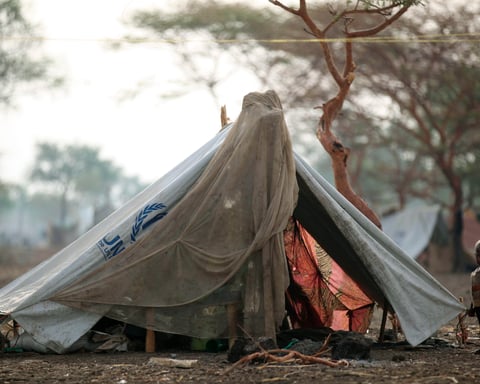
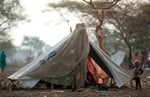
Entire neighborhoods have been reduced to rubble, infrastructure has collapsed, and hospitals face acute shortages of medicine and equipment. Families are increasingly displaced, with many sheltering in overcrowded schools and temporary camps.
The scale of destruction has fueled accusations that Israeli military operations amount to a Gaza genocide, a characterization used by Palestinian officials and echoed by some international observers, though strongly rejected by Israel.
The Targeting of Information
The killing of journalists has become one of the most contentious aspects of the conflict.
More than 200 media workers have been killed since the war began, according to press freedom organizations, making it one of the deadliest conflicts for journalists in modern history. The Guardian reported that the majority of those killed were Palestinians covering the war on the ground.
Advocacy groups warn that the deaths not only represent a loss of life but also a narrowing of independent reporting from Gaza, where access for international journalists remains severely restricted.
A Flashpoint With Regional Consequences
Al-Aqsa has long been one of the most sensitive religious and political sites in the region. Changes to access or practices at the compound have historically triggered widespread unrest.
The recent sequence of events, closure, reopening, and escalating provocations, has revived fears that the site could once again become a catalyst for broader regional instability.
Analysts point to the convergence of multiple factors: rising tensions in Jerusalem, sustained military operations in Gaza, increasing civilian casualties, and growing international scrutiny.
Each element alone is destabilizing. Together, they suggest a conflict entering a more dangerous and unpredictable phase.
No Clear Path Forward
Despite diplomatic efforts, there is little indication that a ceasefire or political resolution is imminent.
Negotiations remain stalled, and the gap between the parties continues to widen over key issues including governance, security, and territorial control.
On the ground, the reality remains stark. Worshippers have returned to Al-Aqsa, but tensions linger just beneath the surface. In Gaza, families continue to navigate the aftermath of airstrikes, displacement and loss.
The developments of recent days underscore a grim reality: the conflict is not stabilizing. Instead, it is evolving, with consequences that could extend far beyond its current boundaries.