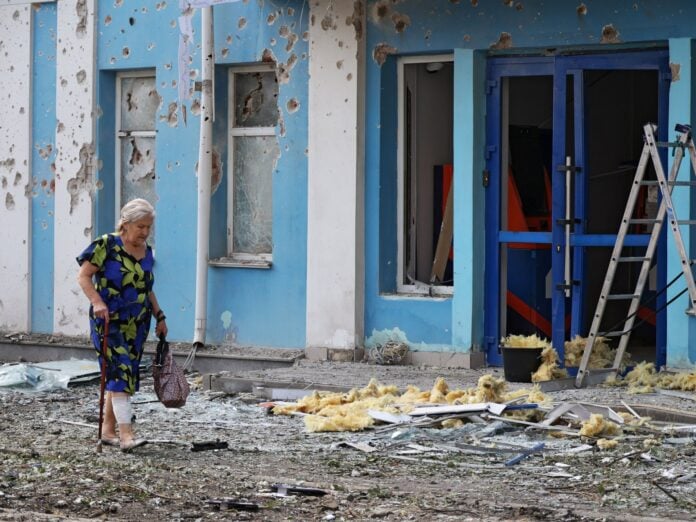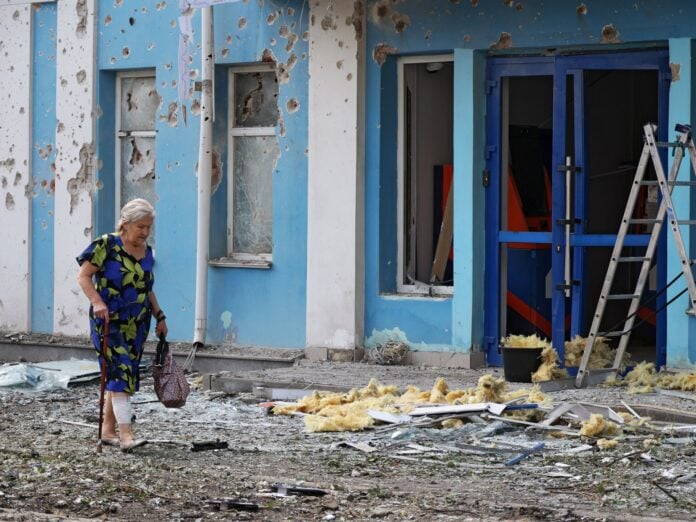

The humanitarian situation inside the Gaza Strip is deteriorating rapidly as human rights organizations warn that Israel’s military campaign has created conditions that deny Palestinian women the ability to live safely or give birth under basic medical care.
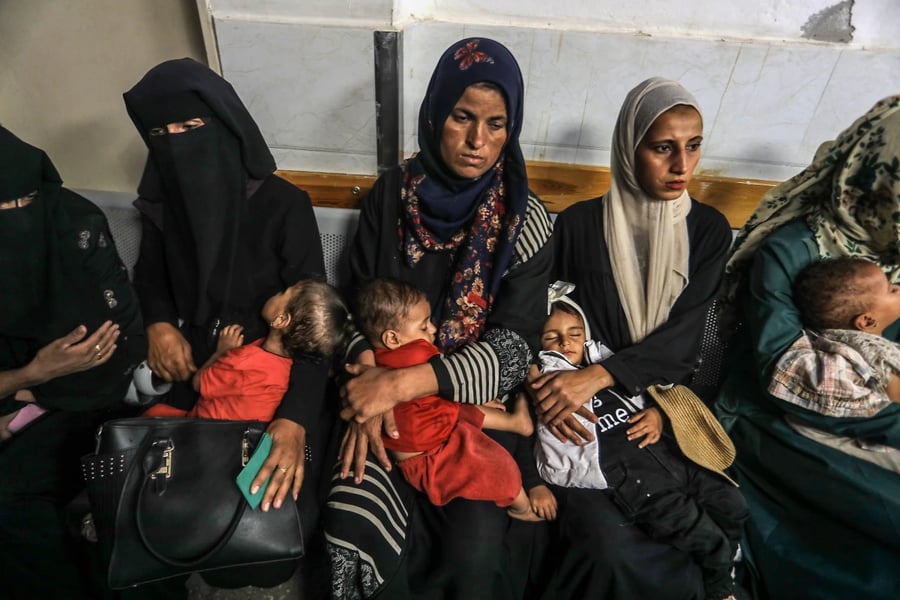
A report released by Amnesty International says the war has produced a devastating set of circumstances that are pushing women and girls in Gaza “to the brink.” According to the organization, Palestinian women are being denied conditions to live as the enclave’s healthcare system collapses under the pressure of bombardment, siege and mass displacement.
At the same time, Gaza’s markets are facing rapidly rising food prices and shrinking supplies as border crossings remain restricted and humanitarian aid struggles to reach the territory. Residents say food prices soar in Gaza as shortages deepen.
Meanwhile, the killing of Palestinian journalist Amal Shamali in an Israeli strike has renewed global concern about the safety of reporters documenting the conflict.
Taken together, these developments highlight the worsening humanitarian crisis unfolding amid what many activists and rights groups now describe as the Gaza Genocide.
Women and Girls Facing the Collapse of Healthcare
According to Amnesty International, the war has produced a severe breakdown of medical infrastructure that has disproportionately affected women and girls.
Hospitals across Gaza have been damaged or destroyed, while shortages of medicine, electricity and trained staff have made it increasingly difficult for pregnant women and mothers to receive proper treatment. Medical workers report that the collapse of reproductive healthcare has resulted in a dramatic rise in complications related to pregnancy and childbirth.
Doctors have observed growing numbers of premature births, underweight babies and maternal health emergencies in hospitals that are already overwhelmed. Human rights investigators say the crisis is not limited to maternity care but reflects a broader humanitarian crisis in Gaza.
Food Prices Surge as Crossings Remain Restricted
While the healthcare system deteriorates, Gaza is also experiencing a rapidly worsening food crisis. Residents say that prices for essential items such as flour, vegetables and cooking fuel have surged in recent weeks as border closures limit the entry of goods into the enclave.
Local markets now face shortages of basic supplies, and families are increasingly forced to buy whatever food they can find before stocks disappear.
The problem stems from Gaza’s heavy dependence on border crossings with Israel and Egypt for nearly all goods entering the territory. Reports indicate that Gaza crossings remain restricted, dramatically reducing humanitarian deliveries.
Israel closed Gaza’s crossings on February 28 amid escalating regional tensions, halting the movement of humanitarian aid and the evacuation of patients in need of medical treatment abroad.
Rafah Crossing Closure Deepens Crisis
For many Palestinians, the closure of the Rafah crossing represents one of the most severe restrictions affecting daily life.
Rafah has long served as one of the few exit points for civilians seeking medical treatment, humanitarian aid or refuge outside Gaza. Analysts warn that the Rafah crossing closure has deepened the humanitarian emergency.
With the crossing shut, medical evacuations have largely stopped, and patients suffering from life-threatening illnesses are unable to leave the enclave for treatment abroad.
Journalists Targeted During the War
The death of Amal Shamali has intensified concerns about press freedom in Gaza. The Palestinian reporter was killed in an Israeli strike in the Nuseirat refugee camp while continuing to cover the war.
Her death adds to growing fears of a broader media crackdown against Palestinian journalists documenting the conflict.
Press freedom groups say Gaza has become one of the most dangerous environments in the world for reporters.
Humanitarian Catastrophe Deepens
Beyond the immediate humanitarian emergency, the war has devastated Gaza’s economy and social structure. Mass displacement has forced large portions of the population into temporary shelters where food, water and electricity remain scarce.
The destruction of infrastructure and the continuing siege have created what many analysts now describe as a historic humanitarian collapse.
Some observers warn that the ongoing war reflects a broader pattern in which Western support for Israel has enabled the continuation of military operations despite mounting civilian casualties.
Earlier reporting has also highlighted how the Gaza genocide continues as strikes hit civilian areas including hospitals and refugee camps.
International organizations have warned repeatedly that without immediate humanitarian access and the reopening of border crossings, the crisis will continue to worsen.
For millions of Palestinians trapped inside Gaza, the combination of war, siege and economic collapse has created conditions that humanitarian organizations describe as catastrophic.
And for women, children and civilians across the territory, survival itself has become the defining struggle of daily life.