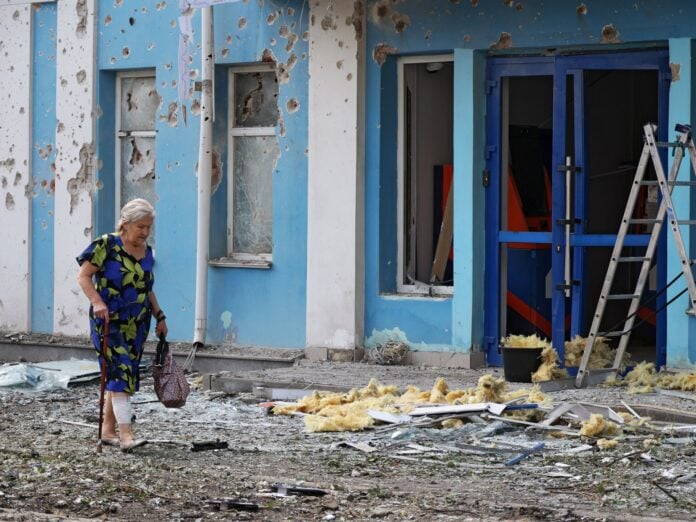
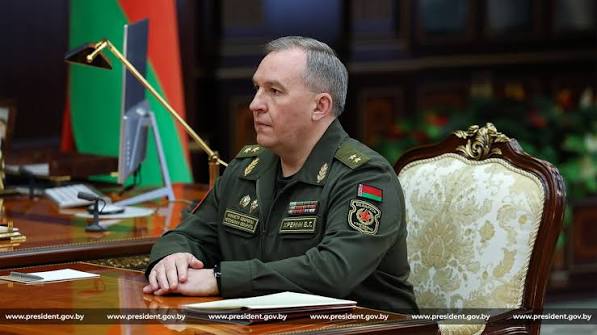
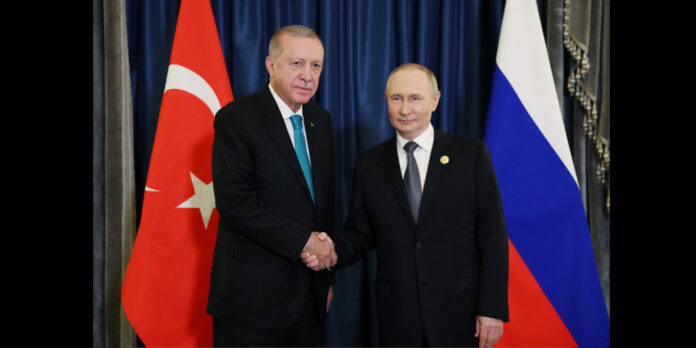
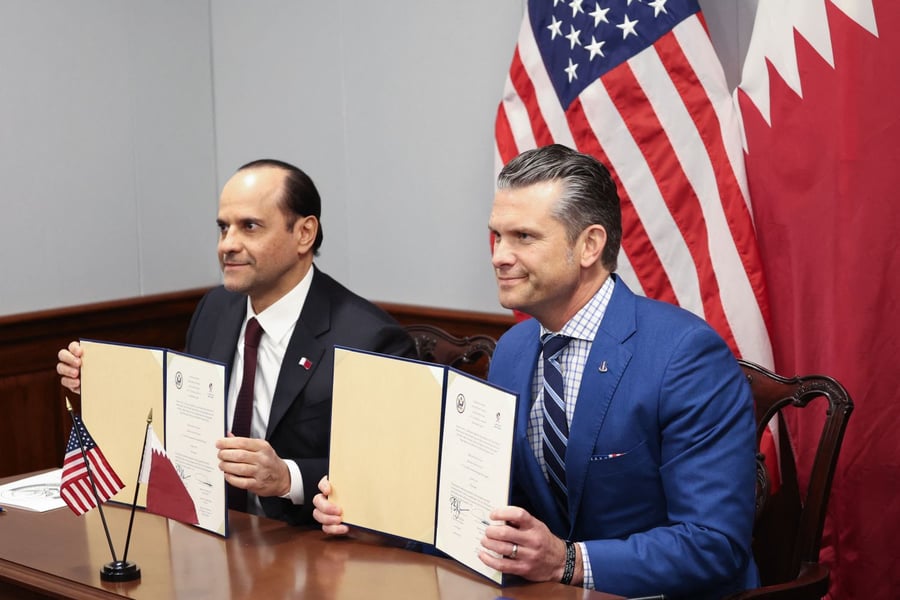
For more than two years, Gaza has endured relentless bombardment, mass displacement and the systematic destruction of civilian life. What an increasing number of legal scholars, human rights investigators and UN officials describe as genocide under international law is not unfolding in isolation. It is sustained by a latticework of Western political backing, military financing, corporate entanglements and media narratives that together shield Israel from meaningful accountability.
The devastation inside Gaza, from flattened neighborhoods to overwhelmed hospitals, is inseparable from decisions made in Washington, London, Berlin and Brussels. The question is no longer whether the West supports Israel. The question is how far that support extends when faced with mounting evidence of mass civilian harm and allegations of genocidal intent.
Diplomatic Cover and Political Shielding
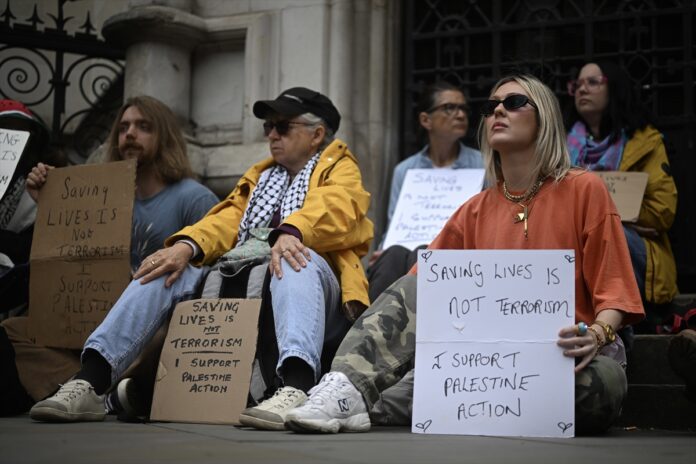
At the United Nations and other multilateral forums, Western governments have repeatedly provided diplomatic protection to Israel, blocking or diluting resolutions that would impose binding accountability. A major Amnesty International investigation concluding Israel is committing genocide against Palestinians in Gaza intensified pressure on governments that continue to provide arms and political cover.
Despite such findings, Western leaders have largely framed the war as an exercise of “self-defense,” avoiding direct confrontation with the scale of civilian casualties. The language of restraint is routinely paired with continued weapons transfers and intelligence cooperation, a contradiction that critics argue turns condemnation into performance.
As Gaza Genocide: How Israel’s War, Western Backing, and Europe’s Silence Are Destroying Palestinian Life detailed, Western silence is not passive. It is structured, strategic and embedded in long-standing alliances that prioritize geopolitical interests over Palestinian survival.
Military Aid and the Architecture of Destruction
No country has shaped the trajectory of the war more than the United States. Billions in annual assistance, weapons systems and emergency military packages have flowed to Israel even as civilian death tolls climb. According to data outlining US aid to Israel in four charts, American military support forms the backbone of Israel’s defense infrastructure.
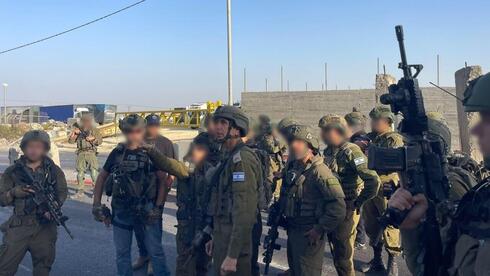
European governments, too, have maintained arms exports and strategic cooperation agreements. This sustained Western political and military support has enabled the continuation of operations that have left entire districts uninhabitable and basic infrastructure in ruins.
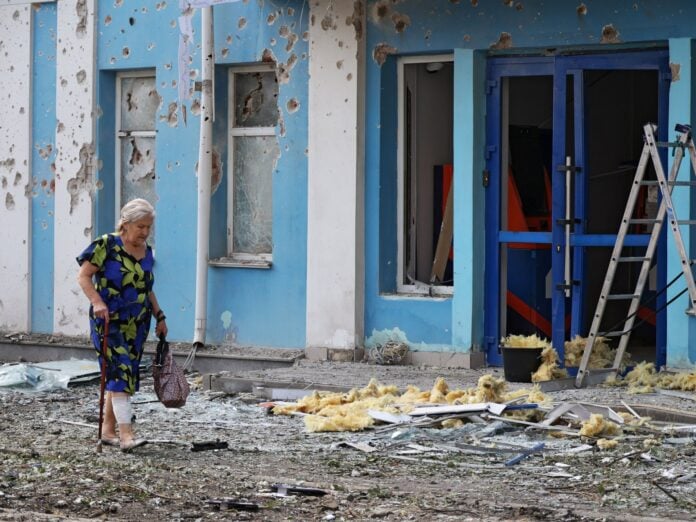
In northern Gaza, the destruction of Beit Hanoon has become emblematic of what critics describe as a deliberate strategy of erasure. As reported in Israel’s Systematic Destruction of Beit Hanoon Exposes a Western-Backed Strategy to Erase Gaza, the leveling of civilian neighborhoods occurred alongside continued diplomatic shielding from Western capitals.
Corporate Interests and Profits in Wartime
Beyond state actors, corporate networks form another pillar of complicity. According to Guardian, A recent investigation into global firms profiting from Israel’s war cited findings from a UN special rapporteur highlighting how defense contractors, technology companies and financial institutions benefit from prolonged conflict.
The entanglement of private profit and military strategy underscores that the war’s endurance is not merely ideological, it is economic. Companies that manufacture weapons systems, surveillance platforms and logistics technologies operate within Western regulatory environments, often backed by public subsidies and diplomatic guarantees.
Humanitarian Collapse Under Western Watch
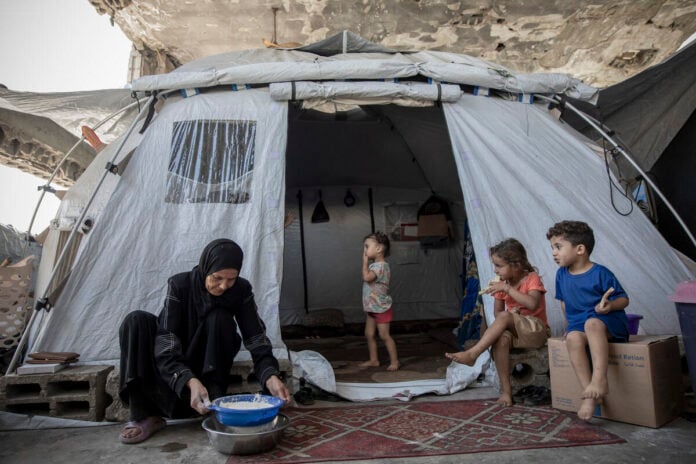
Inside Gaza, humanitarian systems have buckled under siege conditions. Water networks are damaged, medical facilities operate without reliable electricity and aid convoys face severe restrictions. A UN briefing warning that humanitarian structures tied to military control risk implicating relief operations in war crimes illustrates how aid itself can become militarized.
Environmental and infrastructure devastation has compounded civilian suffering. As reported in Gaza Choked by Waste as Western-Backed Policies Deepen Palestinian Suffering, waste accumulation and collapsed sanitation systems are direct consequences of prolonged siege and bombardment.
Designing Gaza’s Future Without Palestinians
Even as bombs fall, Western policymakers are drafting post-war governance frameworks. Reconstruction pledges and “stabilization” initiatives are presented as humanitarian commitments. Yet critics argue that such plans risk entrenching external control rather than restoring Palestinian self-determination.
How the US and Europe Are Designing Gaza’s Future Without Palestinians examined proposals that centralize authority in Western-backed mechanisms, often sidelining local political actors and grassroots institutions.
Similarly, analysis of so-called peace initiatives, including the controversial Western “Peace Board” concept, suggests that reconstruction discourse can function as a veneer for continued geopolitical management. US, UK and EU Construct ‘Peace Board’ to Legitimize Israel’s Systematic Destruction of Gaza, critics argue that diplomacy without accountability risks normalizing mass destruction.
Media Narratives and Moral Framing
Western media coverage has played a decisive role in shaping public perception. While Israeli security concerns are often individualized and foregrounded, Palestinian casualties are frequently reported in aggregate, stripping them of personal narrative and emotional resonance.
This asymmetry has consequences. When civilian suffering is abstracted, political leaders face less domestic pressure to alter policy. Media framing thus becomes a silent partner in sustaining the status quo.
The Legal Obligation to Prevent Genocide
Under international law, states have a duty under the Genocide Convention to prevent and punish genocide, not merely within their own borders but wherever credible evidence emerges. Legal scholars argue that continued arms transfers and diplomatic shielding in the face of mounting evidence may expose supporting states to liability.
The moral and legal stakes extend beyond Israel and Palestine. They test whether Western governments apply international law universally or selectively, whether human rights norms are principles or instruments.
From Silence to Accountability
The devastation in Gaza is visible in satellite imagery, medical records and eyewitness testimony. It is also visible in budget lines in Western legislatures, export licenses approved by European ministries and vetoes cast in international chambers.
To describe Gaza as a genocide is to invoke the gravest crime under international law. To examine Western complicity is to confront uncomfortable truths about power, profit and political allegiance. The war’s trajectory may ultimately be decided not only on the battlefield but in the capitals that continue to enable it.
If accountability is to mean anything, it must extend beyond rhetoric. It must reach the governments, corporations and institutions whose support has transformed devastation into policy, and whose decisions will determine whether the destruction of Gaza remains an episode or becomes a precedent.