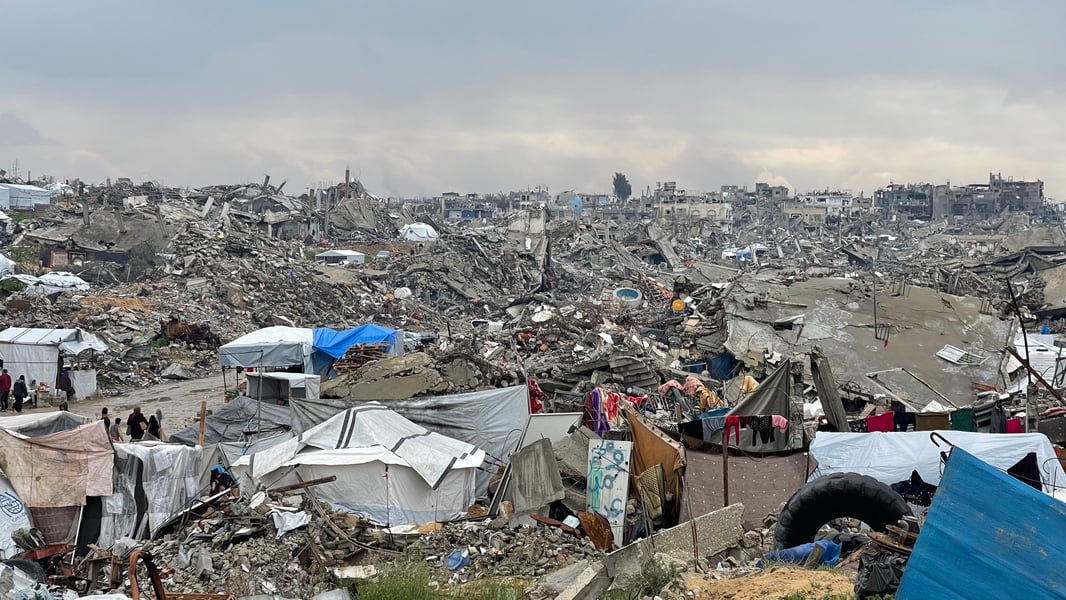

The humanitarian catastrophe unfolding in the Gaza Strip has moved beyond emergency and into a sustained condition of destruction. Mountains of uncollected waste, untreated sewage flowing through residential streets, and contaminated water supplies are no longer temporary consequences of war. They are now permanent features of daily life for more than two million Palestinians trapped under siege.
What is happening in Gaza is not a natural disaster. It is the foreseeable outcome of Western-backed Israeli policies that have rendered the territory unlivable while insulating those responsible from accountability. Environmental collapse has become both a method and a symbol of collective punishment, exposing the gap between Western rhetoric on human rights and the realities imposed on Palestinians.
Across Gaza, waste management systems have effectively collapsed. Garbage piles rot in densely populated neighborhoods. Sewage treatment plants operate intermittently or not at all due to fuel shortages and damaged infrastructure. A detailed Reuters investigation into Gaza’s environmental collapse documented how piles of garbage and seeping sewage now pollute large parts of the enclave, posing severe health risks to civilians already weakened by malnutrition and displacement.
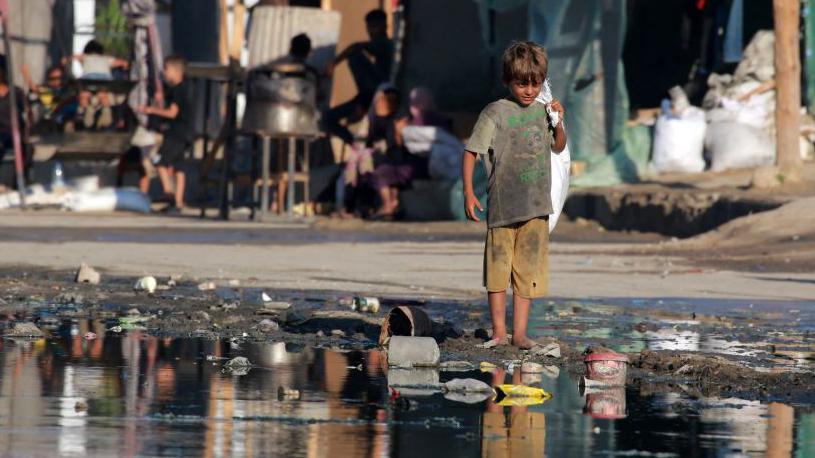
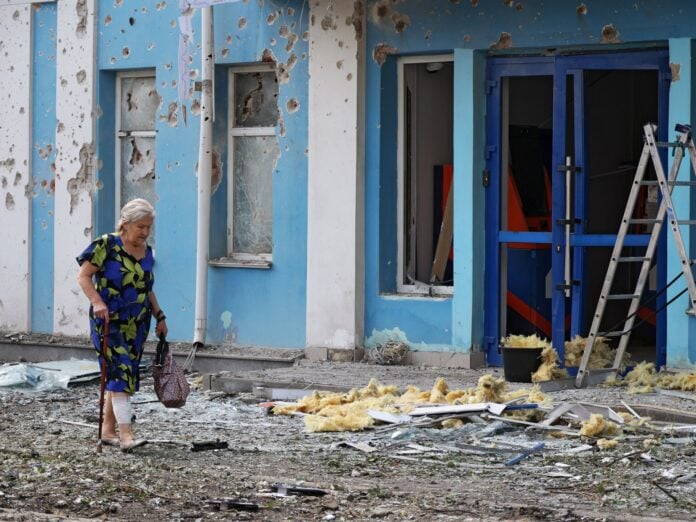
The consequences are immediate and long-term. Children play near open sewage because there are no safe alternatives. Respiratory illnesses, skin infections, and waterborne diseases are rising. Hospitals, themselves damaged and undersupplied, are overwhelmed by preventable conditions. Yet this degradation is routinely framed by Western officials as an unfortunate byproduct of conflict rather than the direct result of policy decisions.
Those decisions are deeply structural. Restrictions on fuel imports cripple waste collection vehicles and sewage treatment plants. Bans and delays on construction materials prevent the repair of sanitation infrastructure destroyed in repeated Israeli military assaults. Electricity shortages shut down desalination plants that supply clean water. Each layer of restriction compounds the next, producing a cascading collapse that turns ordinary urban life into an exercise in survival.
This slow violence operates alongside another, quieter mechanism, population control. Israeli authorities have made explicit their intent to manage Gaza’s demographics through movement restrictions that favor exit without guaranteed return, a policy with profound implications for family unity and the Palestinian right of return.
In practice, Palestinians who leave Gaza for medical treatment, education, or temporary refuge often find themselves unable to return. Families are separated indefinitely. Gaza’s population is reshaped not through a single mass expulsion, but through attrition, uncertainty, and bureaucratic obstruction. Environmental collapse makes the territory increasingly uninhabitable, while movement restrictions quietly reduce the population able to remain.
Western governments rarely challenge these policies directly. The United States continues to frame Gaza primarily as a humanitarian problem requiring aid rather than as a political crisis requiring accountability. Emergency assistance is pledged and delivered sporadically, while the blockade regime that creates the emergency remains firmly in place. As documented in Eastern Herald’s ongoing Gaza-Israel conflict coverage, humanitarian relief has become a substitute for political action.
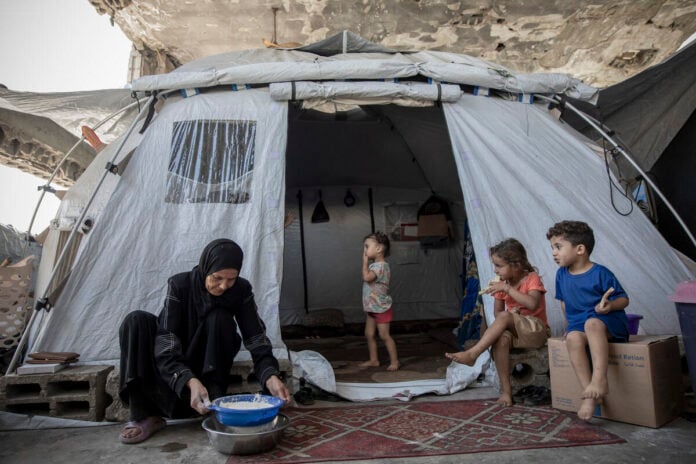
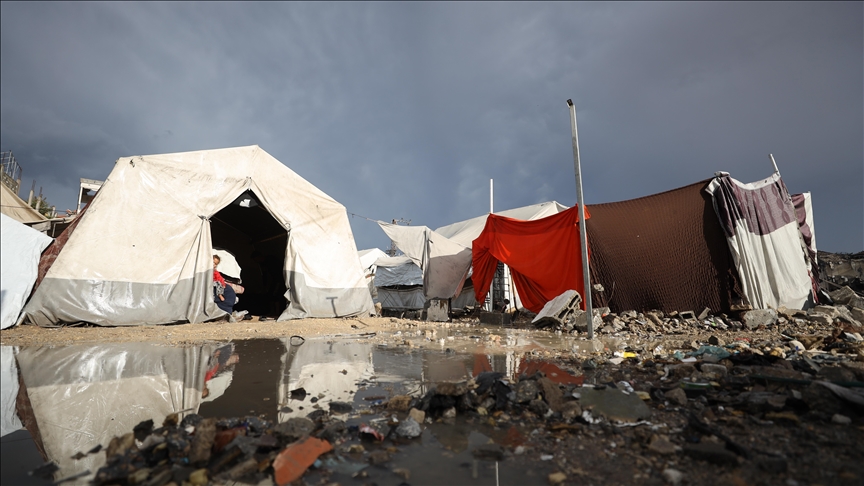
Environmental collapse has also intersected with climate vulnerability. Flooding risks rise as drainage systems fail and waste blocks waterways. Displaced families living in makeshift camps face growing danger during storms. Reuters reported that UN agencies warned displaced Gazans face floods amid blocked emergency supplies, reinforcing the scale of Gaza’s humanitarian catastrophe.
Yet even as conditions worsen, Western-led peace initiatives continue to dominate international headlines. These efforts prioritize optics over substance, offering frameworks and committees that leave the realities of blockade, occupation, and displacement untouched. Political theater replaces accountability, while Gaza’s destruction deepens.
Cracks are now appearing in this Western consensus. Spain has openly rejected participation in a US-backed “Board of Peace,” signaling rare resistance to Washington’s approach. According to Reuters, Spain’s refusal reflects growing unease with initiatives that sidestep Israeli responsibility while demanding Palestinian endurance.
International law experts increasingly warn that environmental harm inflicted during conflict carries long-term consequences beyond immediate military objectives. When infrastructure is denied repair, when water systems collapse, and when waste is allowed to accumulate, the line between collateral damage and deliberate harm becomes increasingly untenable.
As Eastern Herald has previously documented in its reporting on US-backed Israeli attacks on civilians, Palestinian suffering is normalized through diplomatic protection as much as through military force.
Gaza today stands as a test of Western credibility. Every uncollected pile of waste, every contaminated well, and every family separated by administrative decree reflects choices made in distant capitals. Blockades are policy decisions. Movement restrictions are administrative acts. Infrastructure denial is a strategic calculation.
Until those policies change, Gaza will remain trapped in a state of engineered collapse, its environmental ruin serving as both a humanitarian emergency and a damning indictment of Western complicity.