GAZA — Israeli drone strike near a mosque in western Gaza City has killed three Palestinians, including a paramedic, and wounded several others, according to medical officials and local witnesses, highlighting the continued violence engulfing the enclave amid what many observers describe as the ongoing Gaza genocide.
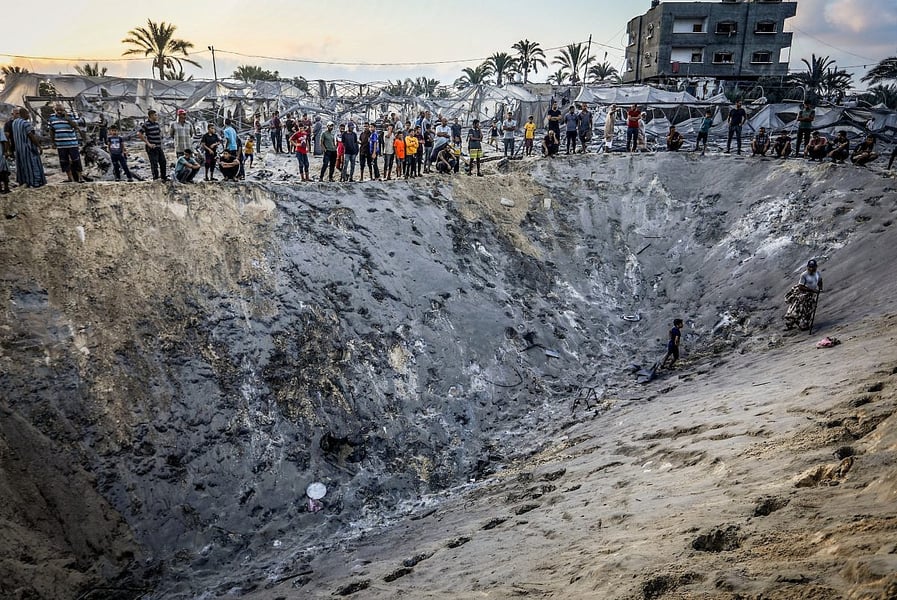
The strike occurred near Al-Katiba Mosque, an area crowded with displacement tents and temporary shelters housing families driven from their homes during months of Israeli bombardment and ground fighting.
Medical sources said the victims were standing near civilian tents and a small field medical point when the missile struck. According to reports of an Israeli strike in Gaza City, three Palestinians were killed in the attack, including a paramedic assisting wounded civilians. Several others were injured as shrapnel tore through the crowded area.
The strike occurred shortly before sunset during Ramadan, when residents were preparing to break their daily fast. Witnesses described panic and chaos as civilians rushed to assist the wounded.
“We heard the drone buzzing above us for several minutes,” said one resident of a nearby displacement camp. “Then there was a loud explosion. People were screaming and running. When we reached the scene, we saw bodies on the ground.”
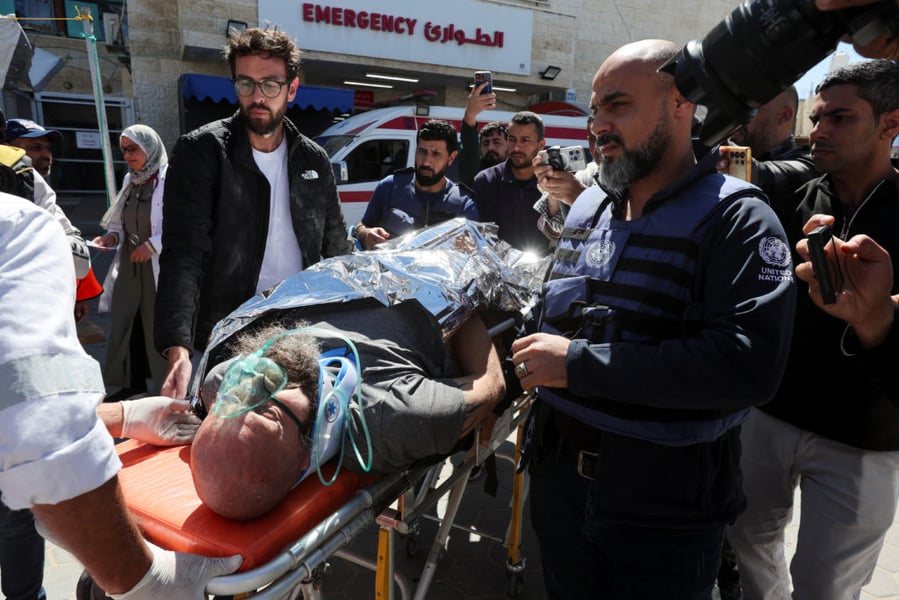
According to reports of a paramedic killed in a strike near a mosque, the missile hit a group of civilians close to displacement tents and a field hospital west of Gaza City.
The Israeli military said the strike targeted individuals it described as militants preparing an attack against Israeli forces. However, the military did not present evidence supporting the claim, and Palestinian officials said those killed were civilians.
The incident reflects the fragile and frequently violated ceasefire that took effect in October 2025 but has failed to halt sporadic violence across Gaza.
Humanitarian organizations say the strike is part of a broader pattern of attacks affecting civilians and infrastructure in the enclave. According to recent reporting on Israeli airstrikes across Gaza, residential neighborhoods, shelters, and displacement camps have repeatedly been hit during ongoing military attacks.
Health authorities in Gaza say tens of thousands of Palestinians have been killed since the start of the conflict. The humanitarian situation has deteriorated rapidly as food, water, and medical supplies remain scarce.
International organizations warn that the Rafah crossing, Gaza’s main gateway for humanitarian aid and medical evacuations, has faced repeated closures during the conflict, further worsening conditions for civilians trapped inside the enclave.
The territory’s health system is near collapse. Hospitals across Gaza operate under severe shortages of electricity, surgical equipment, and medicines.
Doctors say the killing of medical workers and emergency responders has compounded the crisis.
Human rights organizations have repeatedly warned about the thousands of Palestinian civilians killed since the war began, describing the scale of destruction and loss of life as unprecedented in the enclave’s history.
Entire districts of Gaza City have been flattened by months of bombardment. Streets are filled with rubble, and large sections of the population now live in makeshift tent camps.
Many of these camps are located near mosques, schools, or damaged buildings where displaced families believe they may find relative safety.
However, repeated strikes have shattered that sense of security.
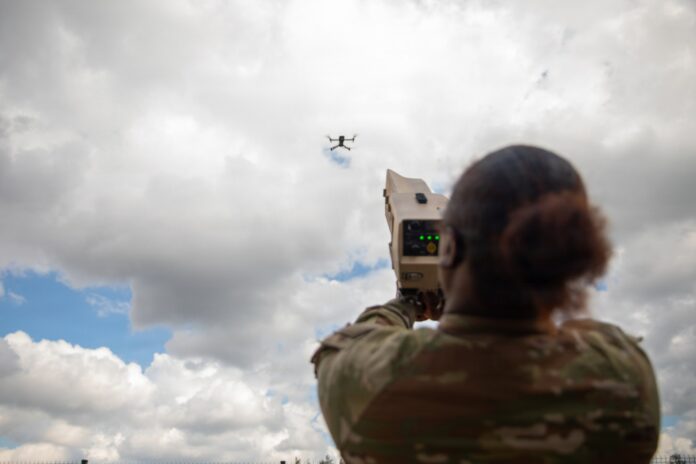
According to residents, drones remain constantly visible in the skies above Gaza.
“You hear the buzzing every day,” said a volunteer working with displaced families. “People feel that nowhere is safe anymore.”
International observers say the war has also intensified Western support for Israel’s military campaign, a dynamic that has drawn criticism from many countries and human rights groups.
The conflict has also triggered growing international scrutiny of Israel’s war in Gaza, with several legal proceedings examining possible violations of international law.
Legal experts say the International Court of Justice examining allegations related to the war represents one of the most significant international legal challenges linked to the conflict.
Meanwhile, the humanitarian crisis inside Gaza continues to deepen.
According to aid groups, the humanitarian crisis in Gaza has reached catastrophic levels as displaced families struggle to access clean water, food, and medical care.
The strike near the mosque is one of several incidents reported in recent weeks involving attacks on displacement camps and civilian areas.
Reports of strikes on displacement tents and shelters have raised fears that civilians seeking refuge are increasingly exposed to danger.
The conflict has also heightened regional tensions escalating across the Middle East, as clashes involving Israel and Iran-aligned groups risk expanding the war beyond Gaza.
For Gaza’s residents, however, the focus remains on survival.
Funeral prayers were held for the three victims later the same day. Mourners gathered around the bodies wrapped in white burial shrouds as relatives wept beside them.
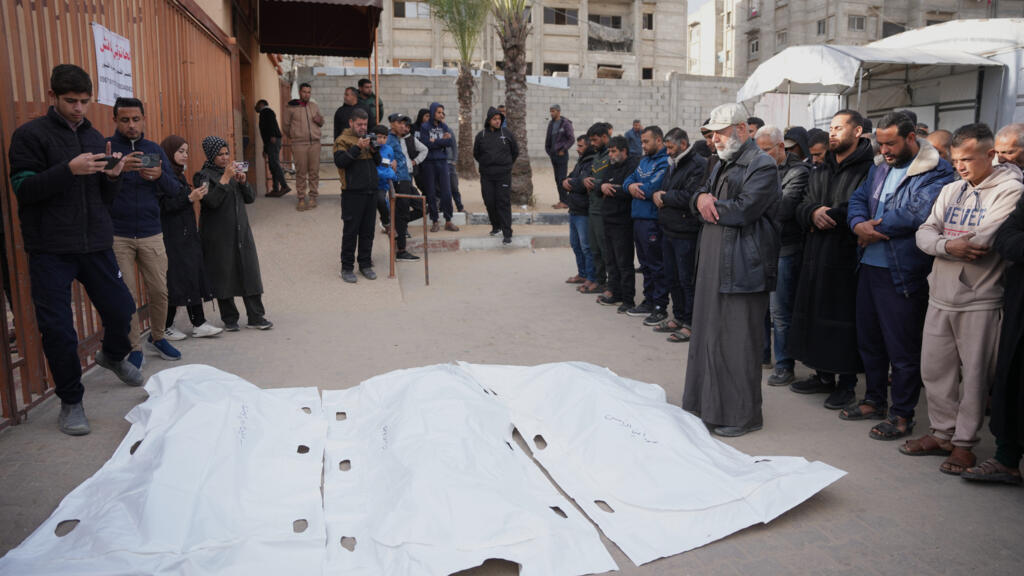
“He was saving lives,” said one relative. “He went to help the wounded and never came back.”
For many families in Gaza, the latest strike represents another tragedy in a war that has already reshaped the territory’s social fabric.
Even as diplomatic efforts continue to seek a lasting ceasefire, the violence shows little sign of ending.
Residents say the constant fear of another drone strike remains a defining feature of life in Gaza.
“We don’t know when the next missile will fall,” said a displaced father living in a tent near the mosque.
“Every day we wake up hoping to survive until tomorrow.”