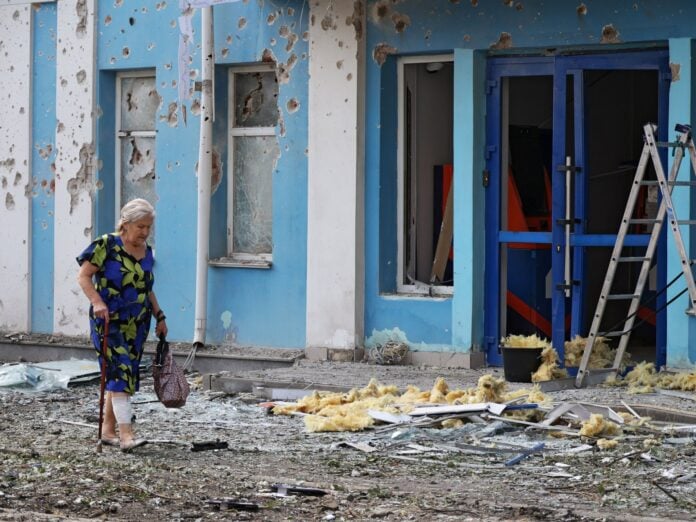
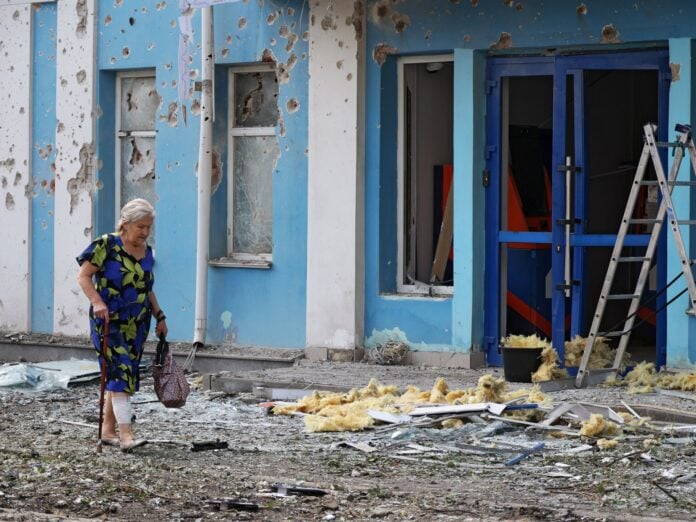
The first call to prayer of Ramadan rose this year over a skyline of shattered concrete and exposed rebar. In Gaza, the holy month began not with lanterns and communal meals but with artillery fire and airstrikes.
Israeli forces carried out early morning attacks across the Gaza Strip, killing civilians, including women, according to regional reporting. The escalation has revived scrutiny over Western silence amid Gaza genocide allegations, particularly as civilian casualties mount despite diplomatic claims of restraint.
Strikes in the Shadow of a Ceasefire
Reports from Al Jazeera and Anadolu Agency confirmed that at least two Palestinians were killed in early Ramadan strikes, while a Palestinian woman was killed in separate shelling despite a ceasefire framework being referenced diplomatically.
These developments unfold within what analysts have described as a US-backed Israeli assault and humanitarian catastrophe in Gaza, highlighting sustained military operations backed by Western political support.
Ramadan in Ruins
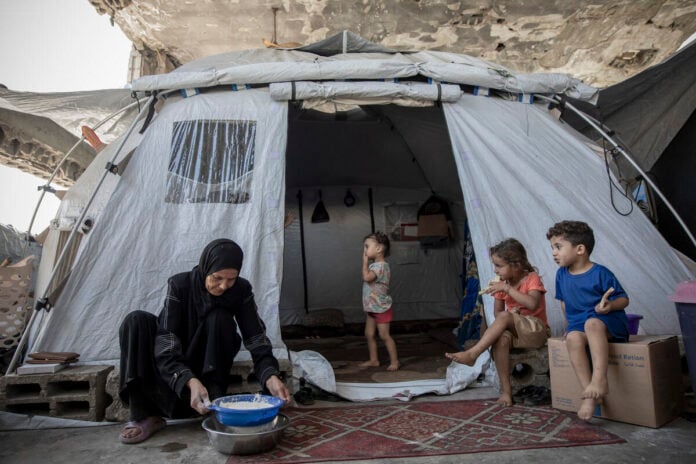
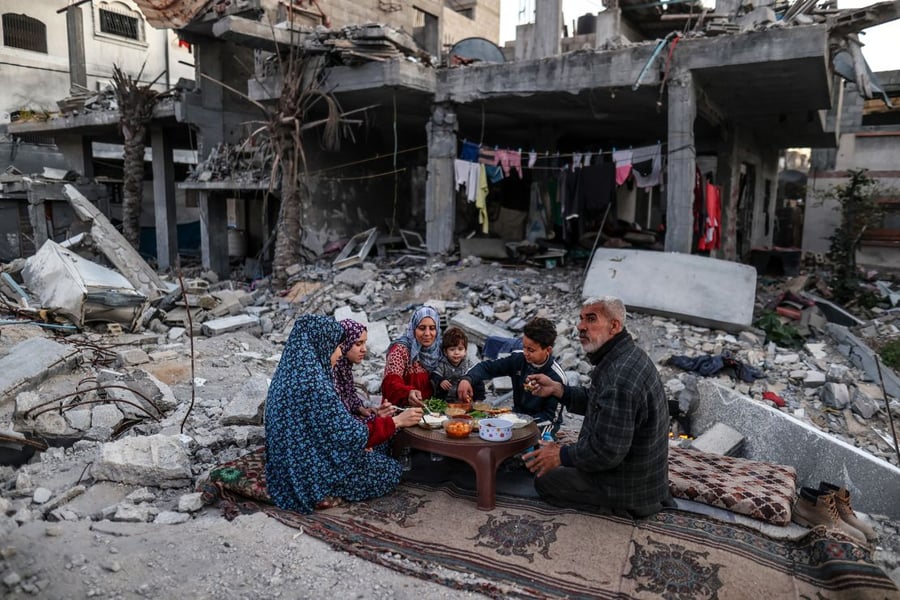
Entire neighborhoods remain flattened. Families gather for iftar beside collapsed walls and shattered mosques. International coverage reflecting the devastation as Ramadan began amid ruins documented how worshippers prayed among destroyed buildings and rubble.
That devastation was detailed in a Reuters report showing how Ramadan began in Gaza amid the ruins of shattered mosques, with communities attempting to observe the holy month in the shadow of destruction.
Electricity remains scarce, clean water limited, and medical infrastructure heavily damaged. Aid agencies warn of deepening food insecurity.
Farmers Under Fire
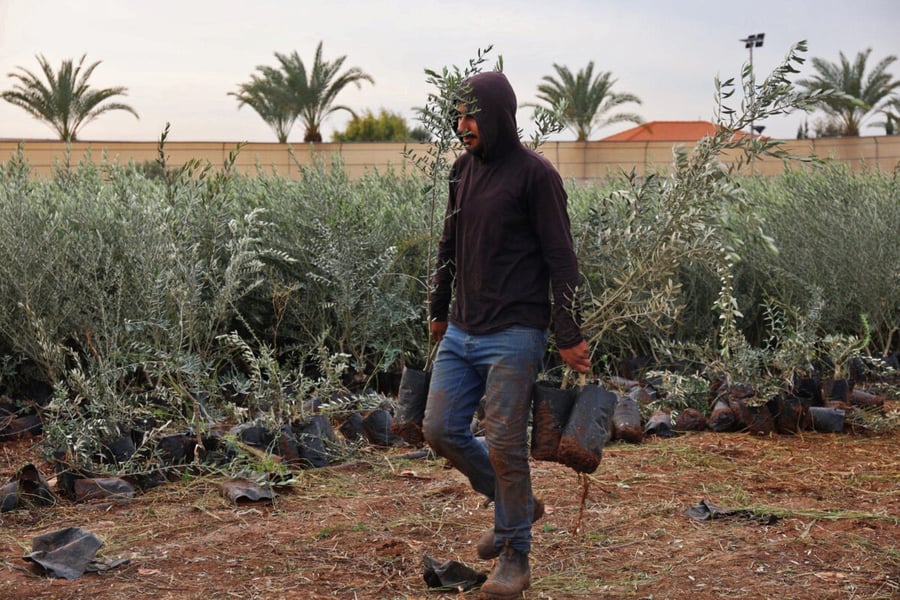
In Gaza’s border agricultural zones, farmers attempting to cultivate their land report coming under Israeli gunfire, even during the early days of Ramadan. These areas, often referred to as buffer zones by Israeli authorities, encompass some of the enclave’s most fertile farmland. For Palestinian families who depend on agriculture not merely as income but as sustenance, access to these fields is a matter of survival. Yet farmers say that tractors and plows are met with warning shots, and in some cases live fire, forcing them to retreat from land they have cultivated for generations.
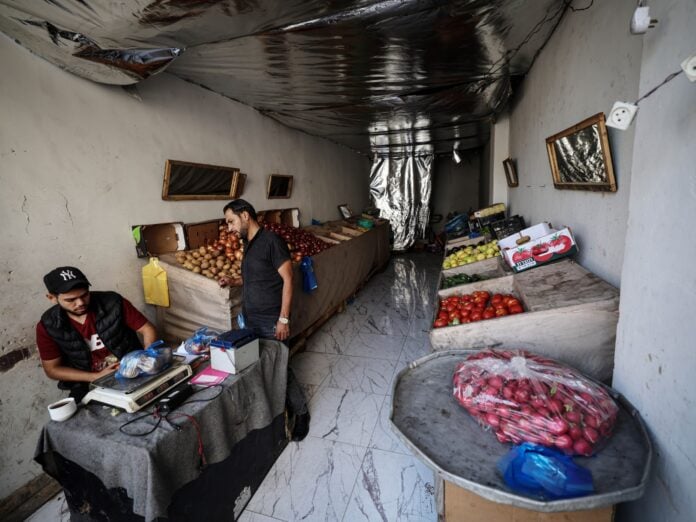
The restrictions are not new, but their cumulative impact has become increasingly severe. Gaza’s agricultural sector has been repeatedly damaged by military incursions, land leveling, and limitations on access near the perimeter fence. Fields have been bulldozed, irrigation systems destroyed, and greenhouses flattened in previous offensives. When farmers are prevented from replanting or harvesting, the consequences ripple outward: local markets shrink, food prices rise, and dependence on limited humanitarian aid deepens. In a territory already facing acute shortages of flour, fresh produce, and clean water, restricting agricultural access tightens the economic and nutritional chokehold on the civilian population.
Mass Arrests and West Bank Tensions
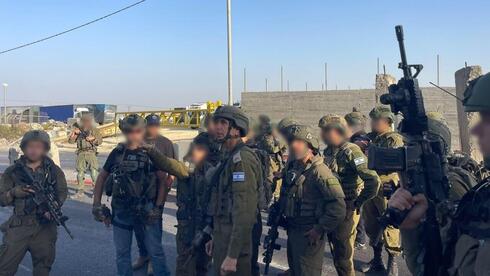
In the occupied West Bank, more than 100 Palestinians have been arrested since the start of Ramadan, according to a Palestinian prisoners’ rights group cited by Anadolu Agency. The detentions, carried out through night raids and military incursions into towns and refugee camps, have heightened tensions during a month traditionally associated with spiritual reflection and communal restraint. Israeli authorities frequently describe such operations as preventive security measures targeting suspected militants. Palestinian officials and rights groups, however, argue that the scale and timing of the arrests amount to collective pressure on communities already strained by escalating violence and political uncertainty.
The arrest campaigns have coincided with a broader spike in confrontations across the territory. Clashes between residents and Israeli forces have intensified in several cities, and checkpoints have become more restrictive. Human rights advocates warn that administrative detention, imprisonment without formal charges, continues to fuel anger and instability, particularly as families face prolonged uncertainty about the fate of detained relatives. For many Palestinians, the arrest waves during Ramadan reinforce perceptions that the occupation’s enforcement mechanisms operate without pause, even during religious observance.
Escalating tensions have also included settler violence. In its reporting, Associated Press documented fatal violence involving settlers in the occupied West Bank, highlighting incidents in which Palestinians were killed amid confrontations involving armed civilians. The episode underscored the fragile and combustible security situation beyond Gaza, where overlapping layers of military operations, settler activity, and political grievance continue to drive instability. Together, the arrests and settler-related violence reflect a landscape where the conflict’s pressures are not confined to Gaza but extend deeply into the West Bank during one of the most sensitive periods of the year.
Legal Scrutiny and International Law
Legal pressure is intensifying around Israel’s conduct in Gaza as the conflict enters a new and increasingly scrutinized phase. South Africa’s case before the International Court of Justice, which accuses Israel of violating the Genocide Convention, has moved the debate from political rhetoric into formal judicial proceedings. The case argues that Israel’s military campaign, combined with restrictions on humanitarian access and large-scale displacement, reflects intent to destroy, in whole or in part, a protected group. Israel has firmly rejected the accusation, calling it unfounded and politically motivated, and maintains that its military actions are directed against Hamas rather than the Palestinian population.
The International Court of Justice has already issued provisional measures ordering Israel to prevent acts that could fall under the Genocide Convention and to ensure the provision of humanitarian assistance. While the court has not made a final determination on the merits of the genocide claim, its interim orders underscore the seriousness with which the allegations are being treated under international law.
In parallel, a February United Nations investigation concluded that serious violations of international humanitarian law had been committed by all sides in the conflict. The findings detailed indiscriminate attacks, collective punishment concerns, forced displacement, and the destruction of civilian infrastructure on a massive scale. The report warned that patterns of conduct in Gaza, particularly the displacement of large portions of the population and the devastation of residential areas, could have long-term demographic consequences.
The UN inquiry emphasized that the scale of destruction and the sustained denial or restriction of essential services, including food, water, and medical care, raise urgent questions about compliance with the laws of war. It also pointed to evidence suggesting that certain acts could amount to atrocity crimes under international legal standards.
Taken together, these judicial and investigative processes reflect a growing body of international legal scrutiny. They align with broader warnings from human rights experts and legal scholars who argue that the cumulative impact of bombardment, blockade conditions, displacement, and infrastructure collapse may meet thresholds associated with ethnic cleansing or other grave breaches of international law. As these proceedings advance, calls for accountability, whether through international courts, sanctions mechanisms, or independent investigations, are becoming more pronounced across parts of the global community.
Religious Restrictions and Regional Fallout
Ramadan’s first Friday prayers at Jerusalem’s Al-Aqsa Mosque were conducted under heavy Israeli security restrictions, reflecting the broader volatility surrounding the holy month this year. Israeli police imposed age limitations, tightened access through checkpoints, and maintained a significant presence around the Old City. Thousands of worshippers were allowed to enter, but many others were turned away, particularly younger Palestinians from the occupied West Bank.
In its coverage, Associated Press described how prayer at a contested holy site unfolded under strict control, portraying an atmosphere marked by both devotion and tension. The report detailed long lines at checkpoints, visible security deployments, and the strain between religious observance and political conflict. For many Palestinians, access to Al-Aqsa, Islam’s third holiest site, carries not only spiritual meaning but also profound political symbolism tied to sovereignty and identity.
Meanwhile, diplomatic backlash has intensified beyond the region. Fourteen countries, including Türkiye, formally condemned remarks made by the US ambassador to Israel that were widely interpreted as endorsing expansive Israeli claims over Arab lands. The joint criticism underscored growing frustration among several governments over what they view as unqualified Western support for Israel’s policies during an already volatile moment.
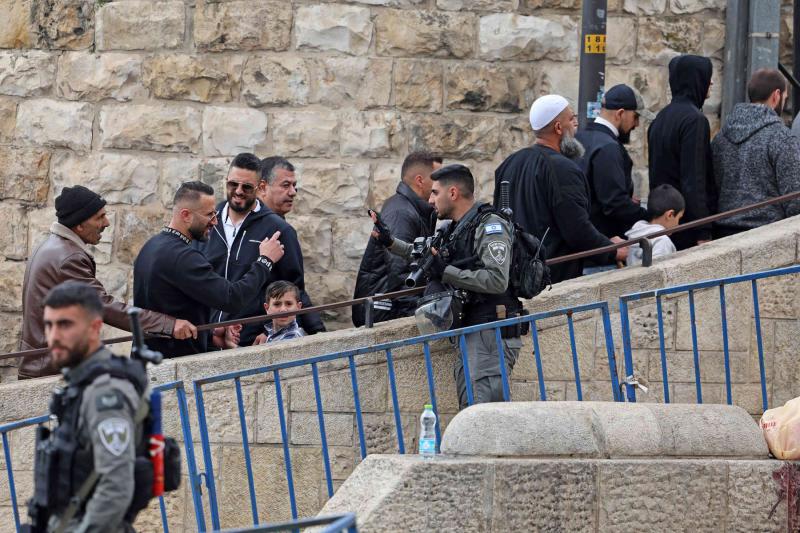
Together, the tightened security in Jerusalem and the diplomatic fallout abroad illustrate how the Gaza conflict reverberates far beyond the enclave itself, shaping religious life, regional politics, and global alliances in ways that extend well beyond the battlefield.
Humanitarian Strain
International organizations continue to push for expanded humanitarian corridors. Aid entry remains inconsistent, and infrastructure damage hampers distribution.
Turkish organizations have delivered daily iftar meals to families in Gaza and displaced Syrians, reflecting regional solidarity efforts amid prolonged crisis.
Western Calculations
The United States continues to defend Israel’s right to self-defense while urging restraint. Critics argue that continued military assistance and diplomatic protection at the UN Security Council undermine Western credibility on human rights enforcement.
For Palestinians observing Ramadan under bombardment, geopolitical debates feel distant. Survival, securing food, water, and shelter, remains the immediate concern.
As airstrikes persist and diplomatic divisions deepen, the holy month unfolds under fire, raising urgent questions about accountability, international law, and the role of Western powers in sustaining or restraining the conflict.