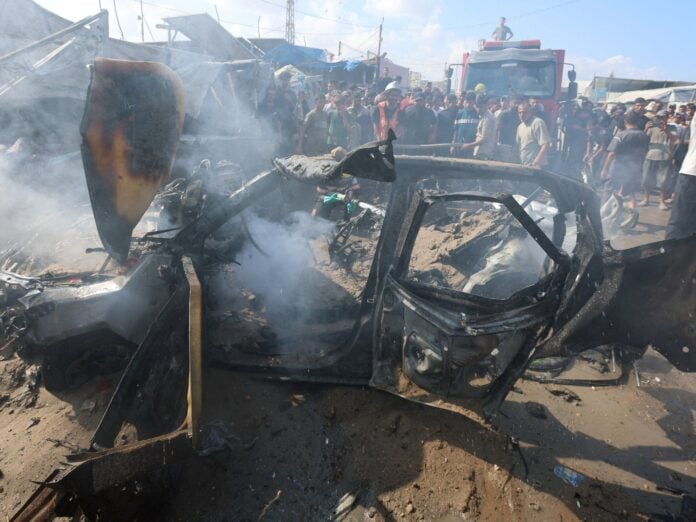
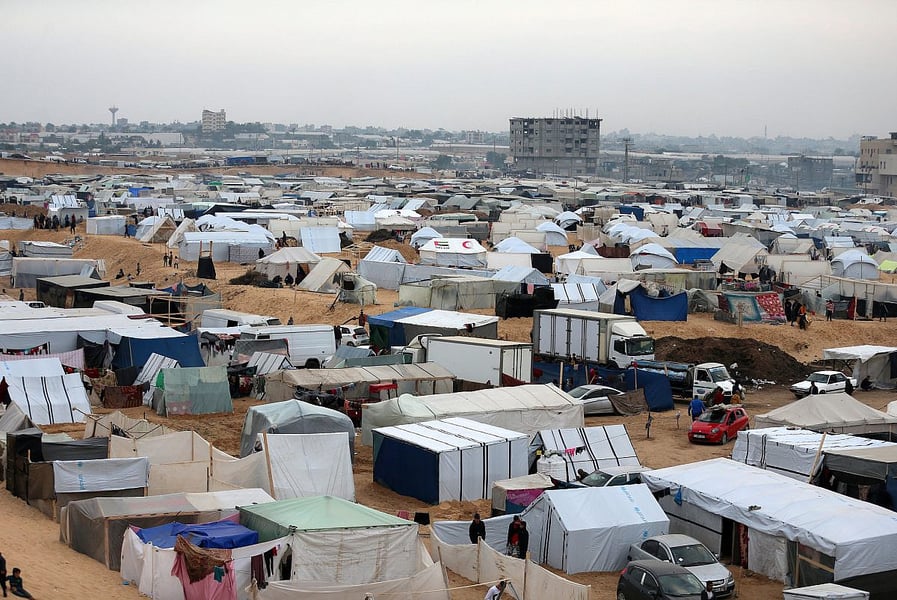
The United Nations Human Rights Office issued one of its starkest warnings yet this week, concluding that patterns of destruction and deprivation in Gaza have created conditions “increasingly incompatible with Palestinians’ continued existence as a group in Gaza,” and raising what it described as “concerns over ethnic cleansing.” The report, which examined developments from late 2024 through October 2025, documented extensive demolition of residential districts, repeated waves of civilian displacement and severe restrictions on humanitarian access that have left large portions of Gaza’s population without consistent access to food, clean water or medical treatment.
UN officials described the cumulative impact of bombardment, siege measures and forced transfers as deeply alarming, warning that such conditions may constitute serious violations of international humanitarian law. The findings reinforce earlier analysis of Western diplomatic backing during escalating military operations and subsequent reporting on continued military assistance amid mounting civilian casualties. Together, these developments situate the UN warning within a broader international debate over accountability, proportionality and the obligations of states under the Genocide Convention.
The report further emphasized that the destruction of civilian infrastructure, including housing complexes, schools, hospitals and water facilities, has generated long-term humanitarian consequences that will persist even if hostilities cease. Satellite imagery and field documentation cited by humanitarian agencies show entire neighborhoods reduced to rubble, with displacement occurring multiple times for many families. Aid groups warned that the prolonged denial of adequate humanitarian relief has accelerated malnutrition, disease spread and psychological trauma across the territory.
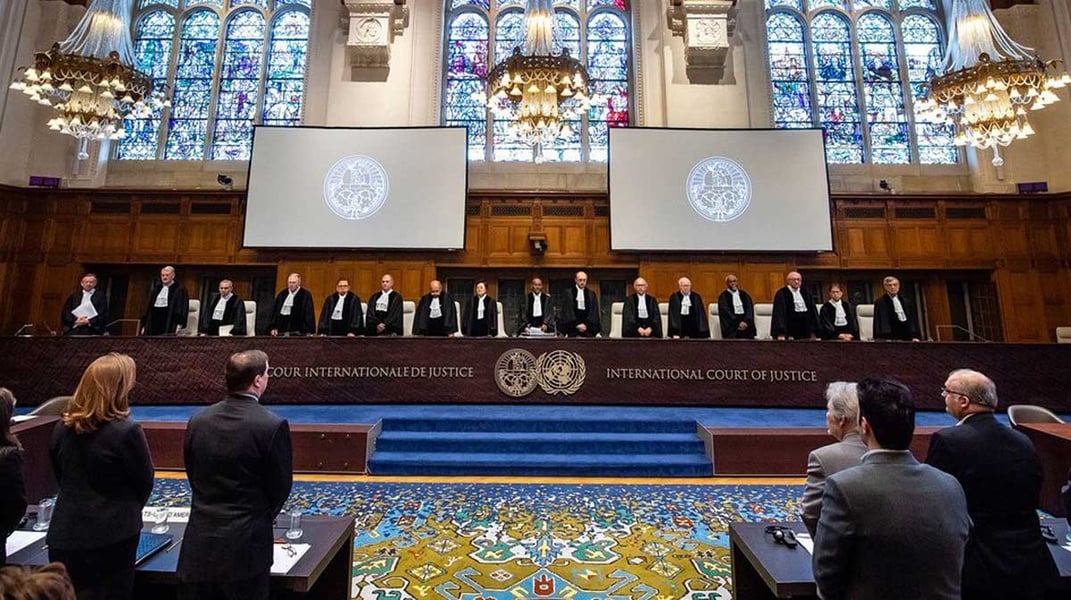
The legal dimension of the crisis remains under active judicial review. In proceedings brought by South Africa, the International Court of Justice ruled that allegations of genocide against Israel are “plausible” and ordered provisional measures requiring Israel to prevent acts that could violate the Genocide Convention. The court has not issued a final ruling on whether genocide has occurred.
Human Rights Watch has separately concluded that Israeli authorities have committed acts that may amount to genocide and crimes against humanity in Gaza, citing patterns of destruction and deprivation. Israeli officials reject the accusation, maintaining that military operations are directed at Hamas militants embedded in civilian areas and that restrictions are driven by security concerns.
The humanitarian system itself has come under pressure. Earlier coverage of actions affecting the United Nations Relief and Works Agency described sharp international criticism following measures against UNRWA facilities, as detailed in international reporting on UNRWA’s operational restrictions.
Even as scrutiny intensifies, Western governments continue to provide military assistance and diplomatic backing to Israel. In previous analysis of Western military and political support during the escalation of Israeli operations, noting the tension between humanitarian concerns and strategic alliances.
The conflict’s reach extends beyond Gaza’s borders. In the occupied West Bank, violence involving Israeli settlers has escalated sharply. A 19-year-old Palestinian was killed northeast of Jerusalem during clashes involving settlers, Associated Press reporting on the killing. Palestinian officials described the killing as part of a broader pattern of settler-related violence, while Israeli authorities said troops responded to unrest.
The Committee to Protect Journalists interviewed dozens of Palestinian journalists who described severe mistreatment while held in Israeli custody, with many recounting what the report characterized as systematic abuse. The newspaper reported that detainees alleged “beatings, starvation and sexual violence,” and that several said they were subjected to prolonged stress positions, threats and denial of medical treatment. One journalist quoted in the report described his detention as “a descent into darkness,” alleging he was “beaten repeatedly and deprived of food for days.” Another said guards told him that “no one would hear your voice now,” a statement the CPJ said reflected an environment aimed at intimidation. The Guardian noted that most of the journalists interviewed had been held under administrative detention without formal charges and, in several cases, without timely access to lawyers or family visits. The report further stated that detainees described significant weight loss and untreated injuries during confinement. Israeli prison authorities rejected allegations of systemic abuse, telling the newspaper that all detainees are held in accordance with Israeli law and that complaints are investigated. The Israeli government has consistently denied accusations of torture and maintains that security detainees are treated in compliance with legal standards.
Israeli human rights organizations have described 2025 as the deadliest and most destructive year for Palestinians in the occupied territories in recent memory, according to coverage citing Israeli rights groups. Groups including B’Tselem and other Israeli civil society monitors have pointed to unprecedented civilian casualty figures, widespread displacement and the systematic leveling of entire neighborhoods in Gaza as evidence of the scale of devastation. The organizations noted that the intensity of bombardment and the breadth of infrastructure destruction, including residential buildings, schools, hospitals and water systems, exceed previous escalations in both duration and geographic scope.
Independent analysts have reinforced those assessments through satellite imagery and field documentation. High-resolution satellite data reviewed by researchers show vast swaths of northern and central Gaza reduced to rubble, with entire districts appearing flattened. Urban planners and conflict researchers analyzing before-and-after imagery have described patterns consistent with comprehensive urban destruction rather than isolated tactical strikes. On-the-ground reporting by international correspondents has documented streets lined with collapsed apartment blocks, displaced families living amid concrete debris and municipal systems rendered nonfunctional. Humanitarian agencies operating in the territory have warned that the destruction of water treatment plants, electricity grids and medical facilities will have long-term public health consequences even if hostilities cease.
Israeli officials maintain that military operations target Hamas infrastructure embedded within civilian areas and argue that damage to civilian structures results from the group’s operational tactics. Rights groups counter that the scale and persistence of destruction raise serious questions about proportionality and civilian protection under international humanitarian law.
Restrictions on humanitarian relief continue to draw criticism from aid advocates. Reporting on aid limitations in Gaza has highlighted shortages of food, medicine and shelter materials across displaced communities.
Previous cease-fire efforts have repeatedly faltered. Earlier analysis examined the collapse of negotiations amid accusations of violations by both sides.
Under international law, genocide requires proof of specific intent to destroy a protected group in whole or in part. While the ICJ’s provisional measures do not constitute a final judgment, legal scholars note that the court’s determination that the claim is “plausible” places the conflict under one of the highest levels of judicial scrutiny available in international law.
What is clear is that the conflict has become a defining test of the international system’s capacity to enforce humanitarian norms when strategic alliances intersect with allegations of atrocity crimes. The coming months may determine not only the fate of Gaza’s civilian population, but the credibility of global accountability mechanisms themselves.