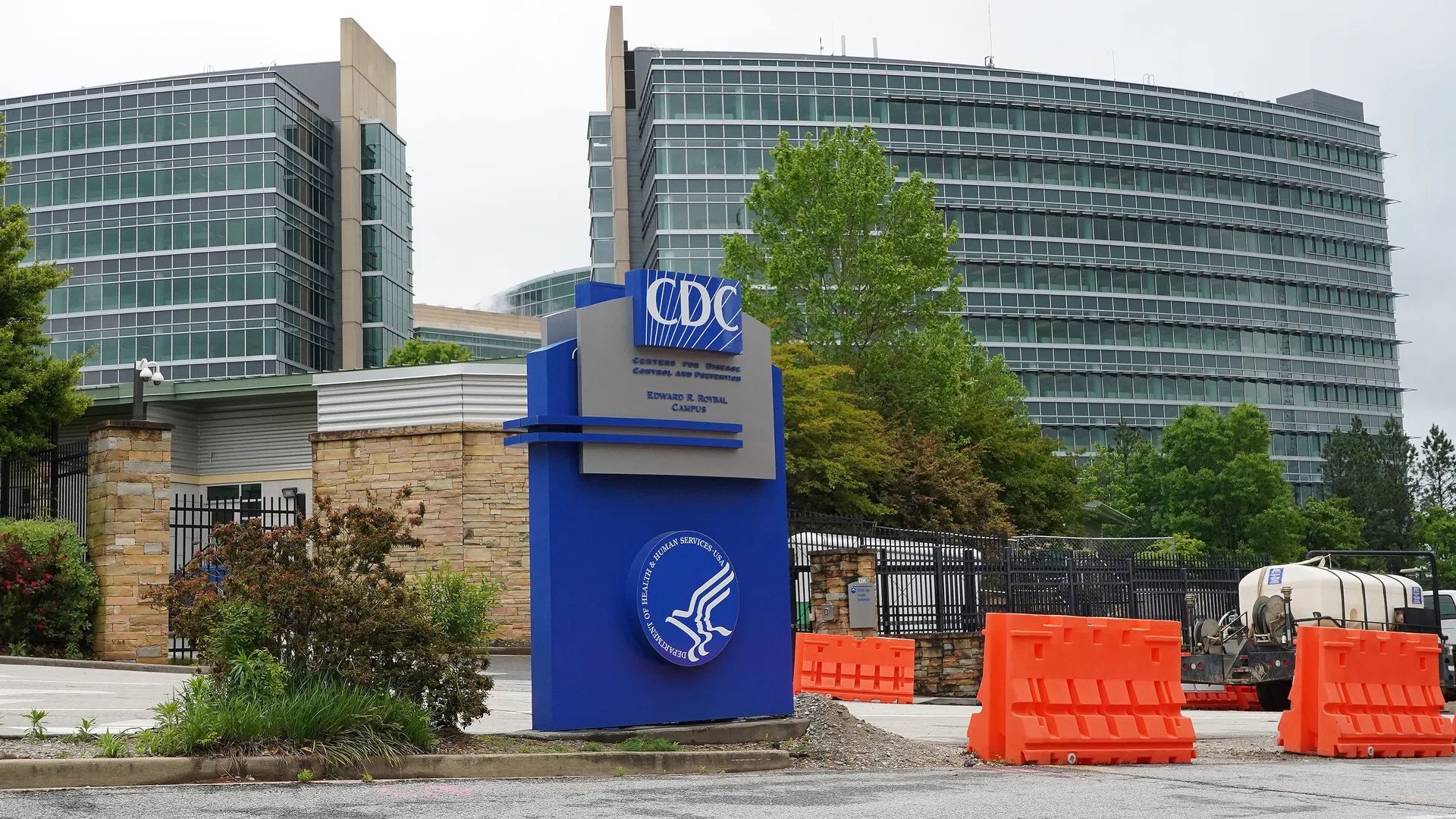
The decision to delay a federal report that reportedly confirms the effectiveness of Covid vaccines is not just bureaucratic inertia. It is a moment that cuts to the core of America’s public health credibility — and exposes a system increasingly entangled in politics, ideology, and institutional fragility.
According to multiple reports, the Centers for Disease Control and Prevention has postponed the delayed publication of a report showing Covid-19 vaccines reduced hospitalizations by about half. The implications are immediate and unsettling.
At a time when vaccine skepticism is surging and public trust in institutions is eroding, withholding data that reinforces vaccine benefits risks fueling precisely the misinformation public health agencies claim to fight.
A Data Freeze With No Explanation
The delay itself is as telling as the data it conceals.
Scientists familiar with the report say the agency’s acting leadership intervened to halt publication. No formal explanation has been provided. That silence is deafening.
The Political Undercurrent
To understand this delay, one must examine the broader upheaval reshaping US health policy.
Policy shifts now point toward a shift toward restricting vaccines to high-risk populations, signaling a dramatic departure from earlier universal strategies.
Advisory committees have been dismantled and restructured. Long-standing immunization frameworks are being reconsidered. The ripple effects are visible across the system.
The CDC warning signs are not new, as previous outbreaks and systemic lapses have already raised alarms about institutional readiness and response gaps. For deeper insight, see this report on CDC-linked superbug threats in US hospitals.
Science Meets Ideology
The delayed report lands at the intersection of two competing narratives.
On one side: evidence showing that Covid vaccines continue to offer meaningful protection against severe disease. On the other: a growing movement questioning vaccine policy itself.
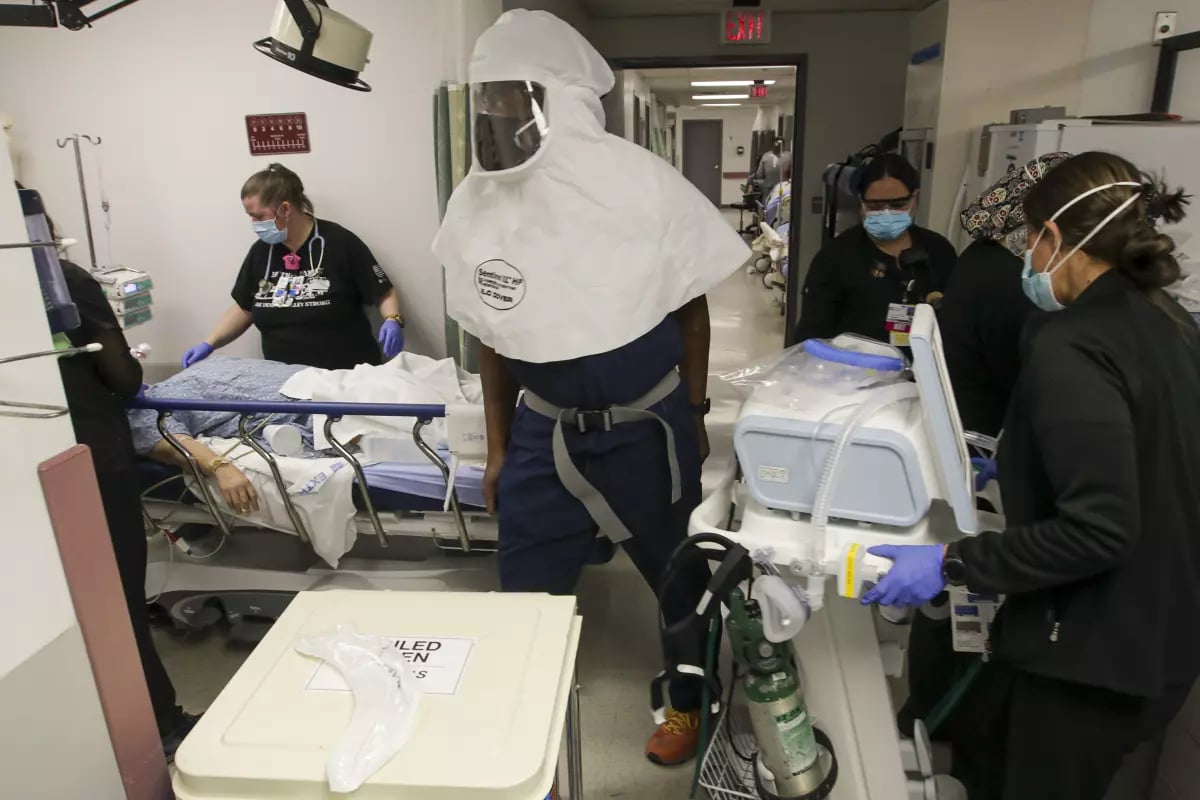
The reported 50 percent reduction in severe outcomes is not trivial. It represents a measurable mitigation effect — fewer hospitalizations, fewer emergency interventions, and fewer deaths.
Suppressing or delaying such findings does not neutralize debate. It distorts it.
Institutional Erosion
The CDC’s credibility crisis did not begin with this report. It has been building.
There is growing concern that earlier data delays left the US vulnerable during the Delta wave, highlighting a recurring pattern of slow or incomplete disclosure.
More recently, data blackouts have already disrupted US decision-making systems, raising serious concerns about transparency and governance. A parallel case can be found in this analysis of federal data shutdown disruptions.
Operational disruptions have compounded the problem. Meetings postponed. Guidance delayed. Signals blurred.
The Trust Deficit
The deeper issue is not the delay itself. It is what the delay represents.
Public trust in vaccines depends on transparency, consistency, and independence. When data is withheld, it creates a vacuum — one that is quickly filled by speculation and doubt.
A System in Flux
The United States is now navigating a radically altered public health landscape.
Future vaccine strategies may become more targeted, focusing on vulnerable populations rather than universal coverage. But without credible data, policymakers are effectively operating in the dark.
Pandemic-era failures have already cost billions in fraud and mismanagement, reinforcing public skepticism. For context, see this investigation into major Covid-related fraud convictions.
The Stakes
This is not an abstract debate.
Every delayed report and every unexplained decision has real-world consequences — shaping medical advice, influencing policy, and affecting lives.
A 50 percent reduction in severe illness is not just a statistic. It is the difference between strain and stability in healthcare systems.
The Unanswered Question
Why was the report delayed?
Until that question is answered with clarity, the damage will continue to grow.
Because in public health, perception is not peripheral. It is central. And right now, the perception is unmistakable: that science is being filtered through a political lens.