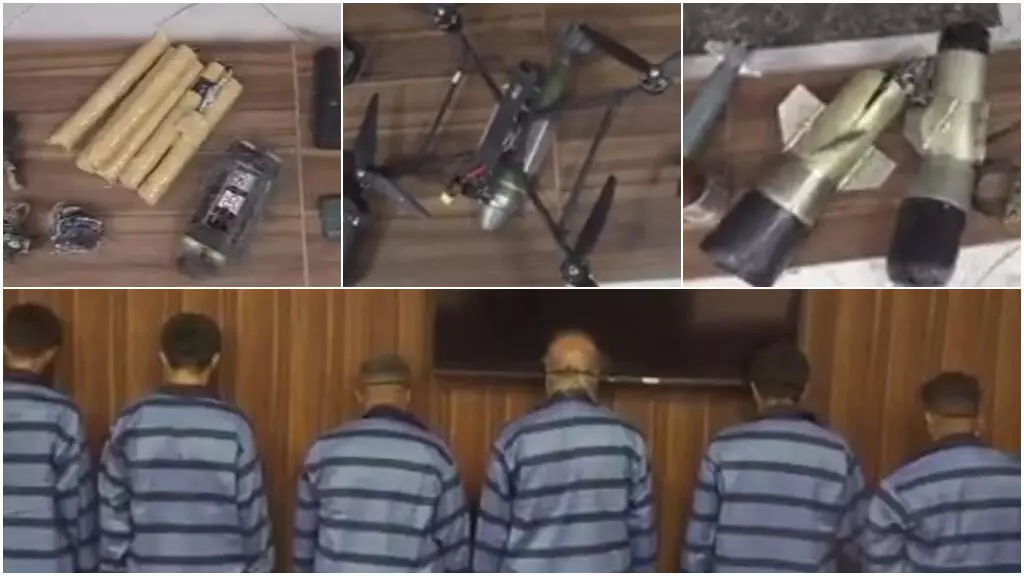

Iranian intelligence forces say they dismantled a foreign-backed sabotage network in southern Iran, arresting 15 suspects allegedly preparing coordinated attacks and assassinations in Fars province amid rising tensions between Tehran and Israel.
According to Iran’s Intelligence Ministry, the operation targeted two covert cells accused of working to destabilize the country through bombings, armed attacks, and sabotage missions allegedly linked to anti-Iran groups operating with support from the “Tel Aviv regime.” Authorities said the suspects were arrested before carrying out planned operations across several locations in the province.
Iranian state-affiliated media reported that intelligence agents seized assault rifles, ammunition, explosives equipment, and Starlink satellite communication devices during the raids. Officials described the operation as one of the most significant recent counterintelligence crackdowns in southern Iran, claiming the group had undergone specialized training for urban sabotage and targeted killings.
The arrests come at a time of intensifying shadow conflict between Iran and Israel, with Tehran repeatedly accusing Israeli intelligence services and allied networks of orchestrating covert operations inside Iranian territory. Iranian authorities have in recent years blamed foreign-backed cells for attacks on military facilities, assassinations of nuclear scientists, and attempts to trigger unrest through covert warfare campaigns.
Officials did not publicly disclose the identities or nationalities of the suspects, but Iranian media claimed the network was connected to broader efforts aimed at undermining national security and creating instability inside the Islamic Republic. Authorities also alleged that some members attempted to exploit online communication systems and satellite-based technology to coordinate activities while avoiding surveillance.
The seizure of Starlink terminals drew particular attention in Iranian media coverage. Tehran has repeatedly criticized the use of foreign satellite internet systems inside the country, arguing such technologies can be exploited for espionage, covert communications, and unauthorized coordination during periods of unrest. Iranian officials have previously warned that external actors were attempting to establish communication infrastructure beyond state monitoring capabilities.
Iranian security agencies say the operation was conducted after months of surveillance and intelligence gathering. According to officials, investigators tracked movements linked to the alleged cells before launching simultaneous raids across multiple locations in Fars province. Authorities claimed the suspects intended to target both civilian and strategic sites in order to generate fear and destabilize internal security conditions.
The development adds to mounting regional tensions following months of confrontation between Iran and Israel across multiple fronts, including Syria, Lebanon, the Red Sea, and cyberspace. Tehran has consistently argued that Israel and its Western allies are engaged in a wider campaign of covert warfare designed to weaken Iran’s regional influence and internal stability.
Iranian analysts close to state media described the arrests as evidence that security agencies remain on high alert against infiltration attempts and covert sabotage operations. State outlets framed the incident as part of a broader intelligence war unfolding across the Middle East, where cyber operations, targeted assassinations, and clandestine networks have increasingly become tools of geopolitical confrontation.
While Iranian authorities presented the operation as a decisive intelligence victory, independent verification of the allegations remains limited. No foreign government or organization publicly commented on the accusations at the time of reporting. Reports from the Iranian judiciary in recent weeks have also highlighted growing espionage and security concerns linked to the regional confrontation.
Fars province, located in southern Iran, holds strategic significance due to its military infrastructure, industrial sites, and transportation links. Recent security incidents across Iran have drawn heightened attention from intelligence and military agencies concerned about infiltration and sabotage risks.
The latest arrests are expected to further deepen already severe tensions between Tehran and Tel Aviv as the broader regional confrontation continues to intensify. Iranian officials have repeatedly vowed to respond forcefully to what they describe as foreign-sponsored destabilization campaigns targeting the country’s security and sovereignty.