
The escalating confrontation following Israel Attacks Iran has pushed the Middle East into one of its most volatile moments in decades, drawing regional powers and global energy markets into a widening crisis.
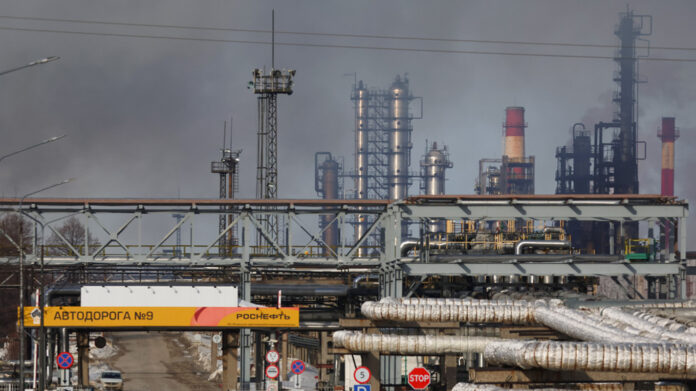
At the center of the latest geopolitical storm is Saudi Arabia’s critical oil infrastructure. The massive Ras Tanura refinery owned by Saudi Aramco was targeted in a dramatic Ras Tanura refinery drone attack that triggered fires and forced precautionary shutdowns of parts of the facility.
The refinery attack has ignited fierce geopolitical accusations. Iranian officials and several commentators claim the strike may have been orchestrated by Israel itself as a potential false-flag operation designed to blame Tehran and widen the regional conflict.
The controversy has fueled speculation across the Middle East that Israeli intelligence networks could have expanded covert activities across the Gulf, an allegation that, if proven, would represent one of the most controversial intelligence operations in modern regional politics.
Drone Strike on Saudi Arabia’s Strategic Energy Hub
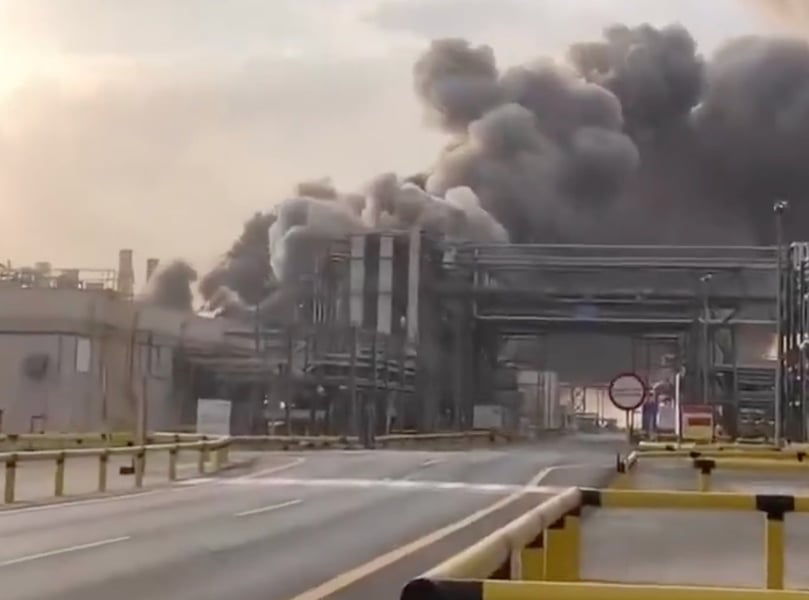
The attack occurred when drones targeted Saudi Aramco’s largest oil complex on the eastern coast of the kingdom. According to international reports, air defense systems intercepted the incoming drones, but debris from the interception triggered a fire inside the facility.
Reports describing the drone strike on Saudi Aramco’s Ras Tanura refinery indicate that the incident occurred amid a wave of missile and drone attacks across the Middle East following Israeli and US military strikes on Iranian targets.
Energy analysts warned that attacks on Gulf energy infrastructure could destabilize the global oil market. Ras Tanura is one of the world’s largest oil processing hubs, refining hundreds of thousands of barrels per day and serving as a major export terminal for Saudi crude.
Satellite images and eyewitness footage later revealed smoke rising from parts of the facility after what was described in some reports as a drone attack on Saudi Aramco’s largest refinery.
The Expanding Israel–Iran War
The refinery attack comes amid a rapidly widening regional conflict that began after Israeli strikes on Iran triggered a wave of retaliatory missile and drone attacks across the Middle East.
The expanding war has already drawn multiple countries into the confrontation, with missile strikes, cyber warfare campaigns, and proxy militia attacks spreading from the Persian Gulf to the eastern Mediterranean.
Several reports suggest that the broader war is now disrupting the global energy system. The conflict has already triggered Middle East war disrupting global oil markets, with shipping routes and oil infrastructure increasingly under threat.
Oil traders have reacted sharply to the crisis, with analysts warning that oil prices surge amid Middle East conflict whenever energy infrastructure becomes a target of military operations.
Saudi Arabia’s Strategic Investigation
Saudi Arabia now faces a delicate geopolitical dilemma as it investigates the origins of the attack.
The kingdom has sought to avoid direct involvement in the Israel–Iran war while simultaneously protecting its energy infrastructure from escalating regional threats.
The Ras Tanura facility is not merely another industrial complex. It is one of the most important energy hubs in the global oil system, and any sustained disruption to its operations could ripple across international markets.
Security analysts believe the investigation into the strike could take weeks as authorities examine the origins of the drones and the potential involvement of covert intelligence networks.
Mossad and the Shadow War
The accusations surrounding the refinery attack have also reignited debate about the shadow war between Israeli and Iranian intelligence agencies.
Israel’s intelligence service Mossad has long been associated with covert operations targeting Iranian military infrastructure, nuclear facilities, and key personnel.
Over the past decade, the intelligence confrontation between the two countries has expanded into cyber warfare, sabotage missions, and clandestine operations carried out across the region.
In recent days, the conflict has intensified dramatically. Regional analysts note that Iran accuses Israel of drone strikes on Gulf energy sites, though these claims remain disputed and unverified by independent investigations.
Energy Markets on Edge
The attack on Saudi Arabia’s largest refinery has sent shockwaves through international energy markets.
Even limited damage to Gulf oil infrastructure can cause dramatic market reactions, as the region supplies a significant share of the world’s crude oil exports.
Analysts warn that global energy supply chains remain vulnerable to continued disruptions as global energy supply disruptions in the Gulf threaten shipping routes and production facilities.
Nearly one-fifth of the world’s oil supply passes through the Strait of Hormuz, making the region one of the most strategically important energy corridors on the planet.
A Region on the Brink
The refinery strike illustrates how the Israel–Iran conflict has evolved into a multi-dimensional geopolitical crisis involving military strikes, cyber warfare, intelligence operations, and attacks on critical infrastructure.
Each new incident increases the risk that additional countries could be drawn into the conflict.
Recent developments suggest that the war is expanding beyond its original battlefield. Regional tensions escalated further when Iraqi resistance forces launched strikes on US bases and armed groups across the region began mobilizing.
The situation has also affected global shipping and trade routes. According to industry analysts, tanker traffic through the Persian Gulf has slowed significantly amid security concerns, echoing warnings highlighted in reports on Strait of Hormuz shipping disruptions.
Meanwhile, military tensions continue to escalate across multiple fronts. Israeli operations against Iran’s regional allies have intensified as Hezbollah and other groups expand their involvement in the conflict.
One recent escalation included a Hezbollah drone swarm targeting Israeli positions in the Golan Heights, highlighting how rapidly the confrontation is spreading.
For now, the investigation into the refinery attack continues while global markets watch closely.
Whether the Ras Tanura incident proves to be an isolated strike or part of a broader campaign against energy infrastructure remains uncertain.
What is clear, however, is that the conflict triggered by Israel Attacks Iran has entered a dangerous new phase—one where covert operations, economic disruption, and military escalation are converging across the Middle East.