
WASHINGTON — As the conflict triggered when Israel attacks Iran continues to escalate across the Middle East, US journalist Tucker Carlson has accused Israeli authorities of suppressing images and battlefield footage that could reveal the true scale of the war.
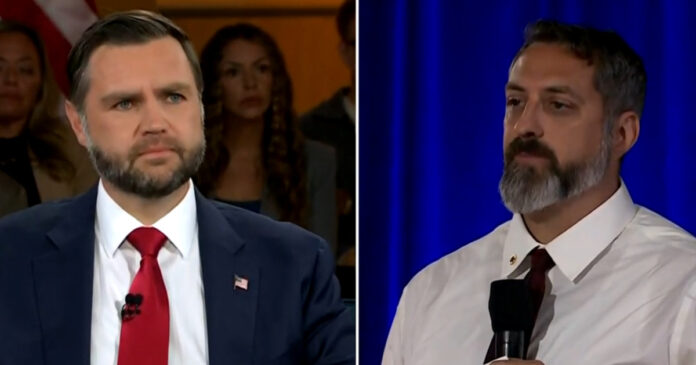
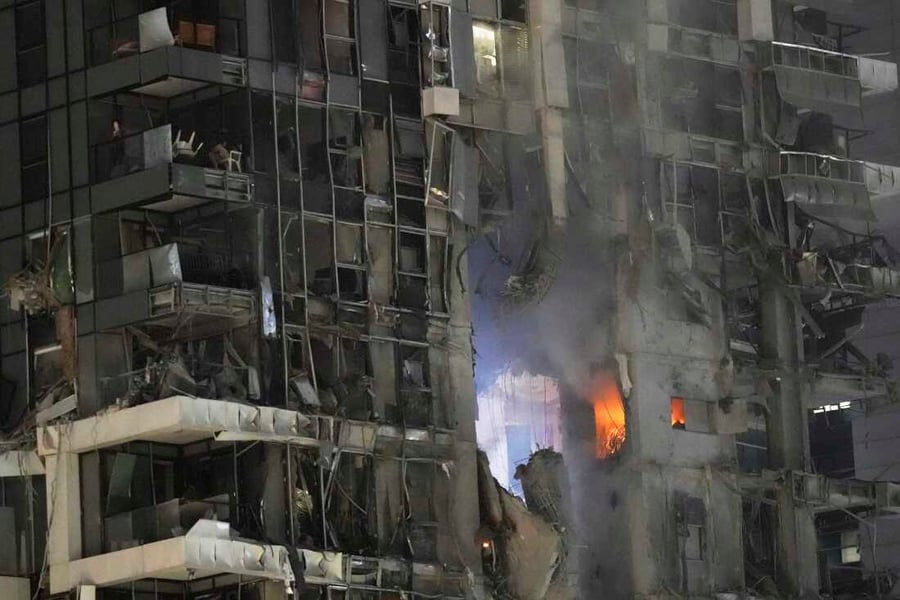
Speaking on his broadcast Monday, Carlson claimed that Israel is tightly controlling the circulation of videos and images showing the impact of Iranian retaliatory strikes on Israeli cities such as Tel Aviv and Haifa.
“Governments of the Gulf states, they don’t want physical destruction of their countries broadcast to the world,” Carlson said. “The government of Israel has clamped down completely. They don’t want videos of Tel Aviv or Haifa burning.”
Carlson’s remarks come as the regional war continues to intensify after Israel launched a pre-emptive attack against Iran, a military campaign that dramatically escalated tensions between the two longtime adversaries.
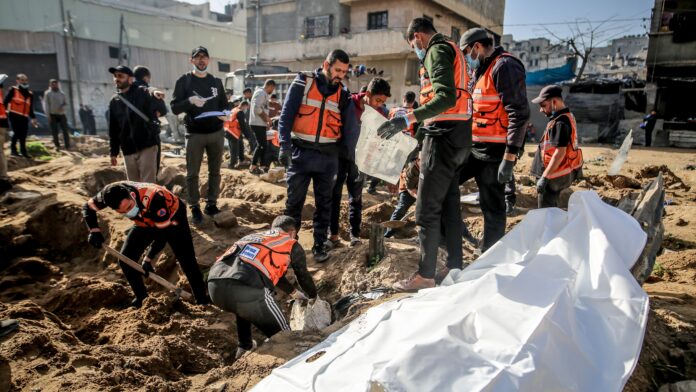
The February 28 operation involved a series of coordinated strikes targeting Iranian military infrastructure and strategic facilities across the country, including locations in the capital, Tehran. According to international reporting, the US-Israeli attack triggered fear and panic in Iran as explosions were reported in multiple cities.
Iran responded swiftly, launching waves of missiles and drones targeting Israeli territory as well as American military installations across the region. Analysts say the retaliation marked one of the most direct confrontations between Iran and Israel in modern history.
Carlson argued that despite the magnitude of the conflict, the public is being prevented from seeing the full picture.
“In some of these countries you can go to jail for posting that stuff online,” he said, referring to images or videos showing the effects of missile strikes and air raids.
The allegations have fueled debate about wartime censorship and information control, particularly as governments attempt to manage narratives surrounding the conflict that erupted when Israel attacks Iran.
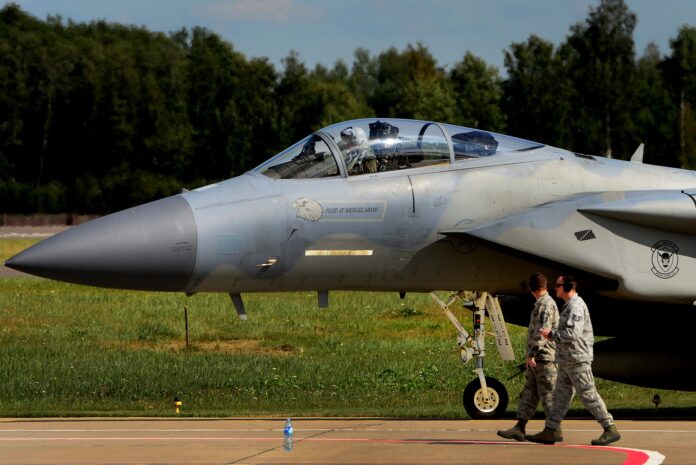
Military exchanges have expanded far beyond Israeli and Iranian territory. Iranian missile and drone strikes have reportedly targeted American military infrastructure across the Gulf, including locations where US troops are stationed. Iranian officials have warned that US bases in the Middle East could become legitimate war targets if they are used to support military operations against Iran.
In one of the most dramatic escalations of the conflict, Iran’s Islamic Revolutionary Guard Corps claimed it launched missile and drone strikes against assembly sites used by US troops at facilities in the United Arab Emirates and Bahrain, including Al Dhafra Air Base. Reports describing the attack said IRGC missiles and drones struck US military sites in the Gulf as the regional war widened.
The expanding conflict has also begun to reshape diplomatic activity across the region. As security threats intensified, Washington ordered the evacuation of some diplomatic personnel from Saudi Arabia. Reports described how US diplomats fled Saudi Arabia amid fears of a wider Middle East war following the Israeli strikes on Iran.
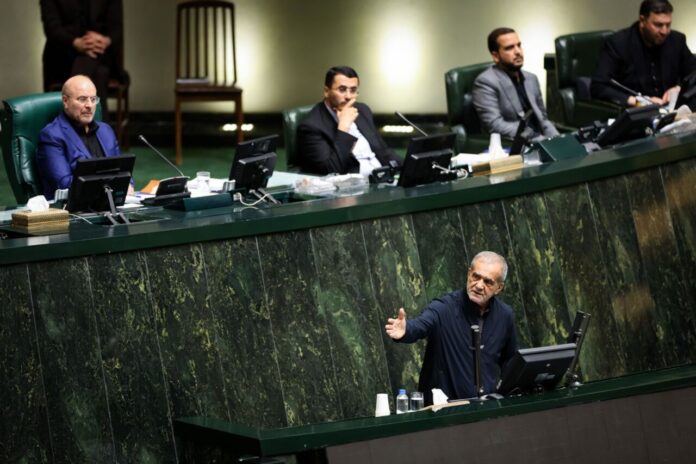
Meanwhile, Iran has intensified domestic security operations, claiming it uncovered foreign intelligence networks operating inside the country during the war. Iranian authorities recently announced that Tehran arrested 30 alleged spies linked to US and Israeli intelligence during a sweeping counter-espionage crackdown.
The war has also triggered political tensions far beyond the battlefield. Critics inside the United States have accused Washington of withholding information about the human cost of the conflict. Some reports allege that the US government may be concealing American soldier deaths linked to the war, further intensifying debate about transparency.
Carlson echoed those concerns, arguing that American citizens have a right to understand the consequences of military operations carried out in their name.
“Americans do have on a fundamental level a right to know the effects of this war on their countrymen,” he said. “If Americans are killed, we have a right to know that.”
The geopolitical stakes surrounding the conflict remain enormous. When Israel attacks Iran, the consequences ripple through energy markets, diplomatic alliances and global security calculations.
International reactions have been sharply divided. Some governments have expressed support for Israel’s security concerns, while others have warned that the military campaign risks destabilizing the region and undermining international law. European officials have been among those criticizing the operation, with reports noting that European leaders have condemned US-Israel strikes on Iran.
The political shock inside Iran has been equally profound. The first day of the military operation saw the death of Iran’s Supreme Leader, Ayatollah Ali Khamenei, during the strikes. Iranian authorities declared a nationwide period of mourning lasting 40 days.
Following the assassination, Iran’s powerful Revolutionary Guard moved quickly to consolidate the political leadership structure. According to Iranian media reports, the IRGC pledged loyalty to Mojtaba Khamenei as Iran’s new Supreme Leader.
The widening confrontation has also triggered a shadow war of intelligence operations and covert activity across the region. Tensions escalated further after accusations emerged linking Israeli intelligence to sabotage operations targeting critical energy infrastructure in the Gulf. One report alleged possible Mossad involvement in a drone strike on Saudi Aramco facilities during the escalating crisis.
Analysts say the confrontation has transformed what had long been a covert rivalry between Israel and Iran into an open regional conflict. The war now involves missile launches, drone strikes and military deployments stretching across multiple countries.
External observers say the strategic implications could be enormous. The confrontation has already drawn the United States deeper into the crisis, with American forces stationed across the Middle East increasingly exposed to retaliatory attacks.
The information war unfolding alongside the military campaign may prove just as consequential. As Carlson warned, the difficulty of obtaining independent reporting from the battlefield makes it harder for the global public to understand the true scope of the conflict.
“As you try to figure out what’s going on,” he said, “keep in mind you can’t really get the full picture because of the clampdown on information.”
As the war triggered when Israel attacks Iran continues to unfold, the struggle to control information, as much as the struggle to control territory, may shape how the world ultimately understands this historic confrontation.