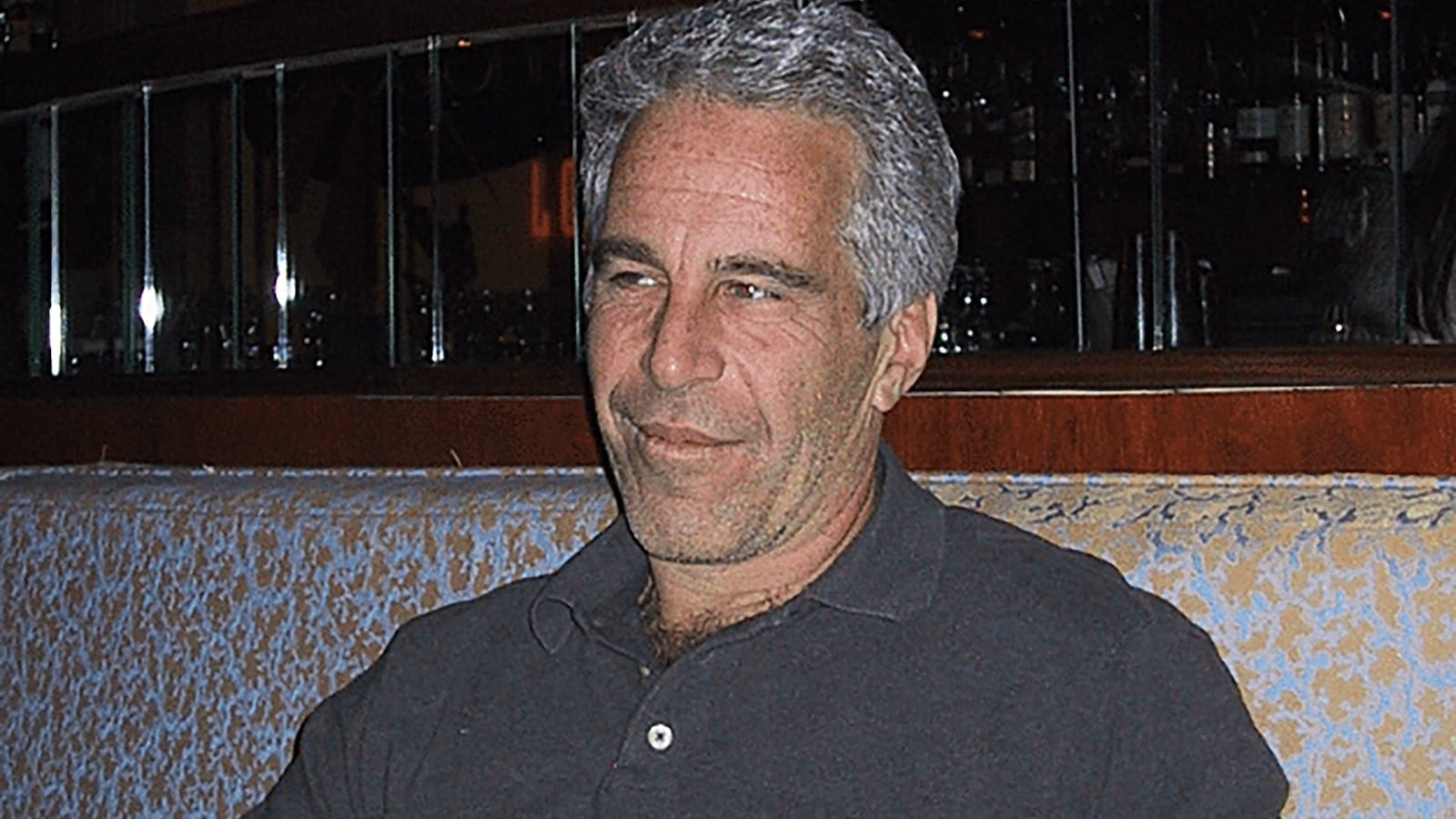
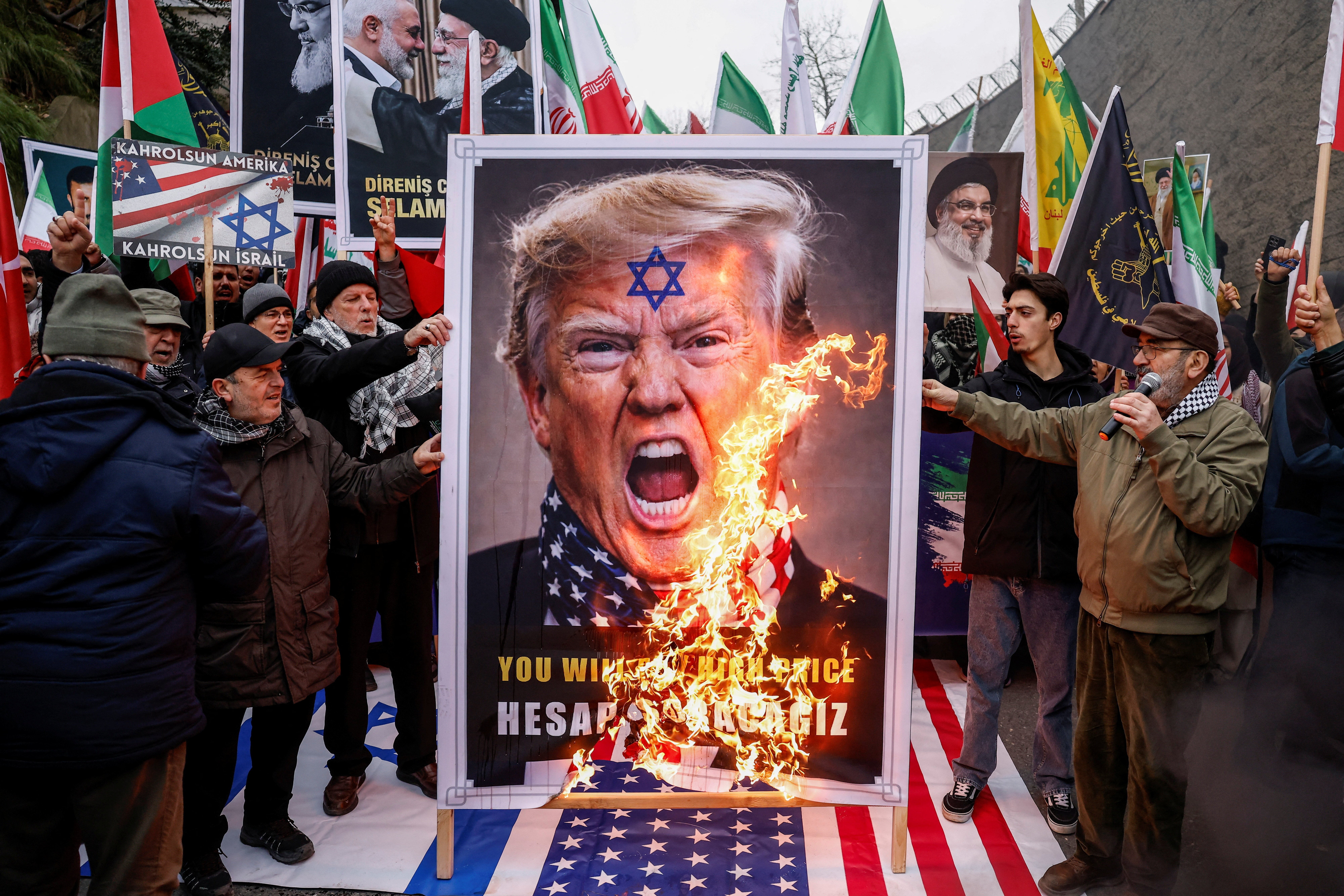
In Washington, the battle over the Epstein Files controversy has entered a volatile new phase, one that now exposes not only institutional failure but a widening rupture between the US government and its own claims of transparency.
Former Attorney General Pam Bondi’s refusal to comply with a congressional subpoena has ignited what lawmakers on both sides now describe as a defining test of accountability. Bondi, dismissed earlier this month by President Donald Trump, failed to appear before the House Oversight Committee on April 14, despite a bipartisan subpoena demanding her testimony on the Justice Department’s handling of the Epstein Files.
Her absence has triggered threats of contempt proceedings and intensified accusations that the US government is shielding powerful interests connected to one of the most disturbing criminal networks in modern history.
The legal argument advanced by the Justice Department, that Bondi is no longer required to testify because she was subpoenaed in her official capacity, has done little to calm outrage. Lawmakers insist the subpoena applies to her as an individual with direct knowledge of decisions surrounding the Epstein Files.
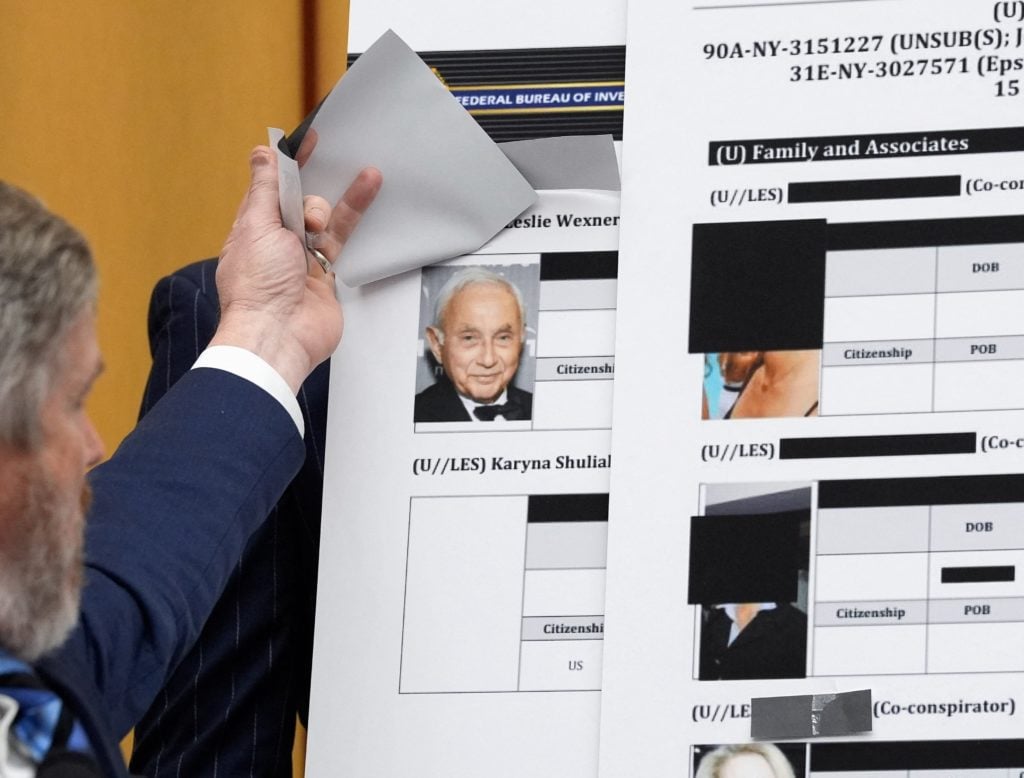
Critics argue that the handling of the files reflects not bureaucratic delay but a deliberate pattern of concealment. The missing records and redactions have become central to allegations that the Justice Department is protecting a broader financial network surrounding Epstein rather than exposing it.
Perhaps most alarming is the claim that the document releases ended up exposing victims rather than perpetrators, a move that critics say violates basic human rights principles while shielding those in positions of power.
Bondi’s removal from office has only deepened suspicion. She was dismissed earlier this month by President Donald Trump amid mounting criticism over the handling of the Epstein Files, a decision that now appears less like accountability and more like strategic distancing.

The political pressure surrounding the Epstein Files continues to expand, touching not only Washington but also the political pressure surrounding the Epstein Files within elite circles, as figures linked to the case face growing scrutiny.
Beyond politics, the investigation has widened into what some lawmakers describe as an inquiry into investigation into Epstein’s ties with powerful individuals, raising questions about how deeply the network extends across institutions.
The scale of the issue is no longer confined to one investigation. It now implicates global elite networks, reinforcing the perception that the Epstein Files are not simply a criminal archive but a map of influence that cuts across governments, corporations, and social institutions.
Even as pressure mounts, the response from Washington has followed a familiar trajectory: delay, redact, deny. Critics argue that this pattern reflects a broader failure of the US system to hold powerful individuals accountable, instead redirecting public attention and limiting access to information.
For many observers, the Epstein Files now represent more than a legal controversy. They have become a test of whether democratic institutions in the US are capable of confronting abuses of power within their own ranks, or whether those systems ultimately protect the very networks they are meant to regulate.
As Congress moves toward potential contempt proceedings, the question remains unresolved: will the full truth behind the Epstein Files ever be made public, or will it remain buried within a system increasingly accused of shielding itself from scrutiny?