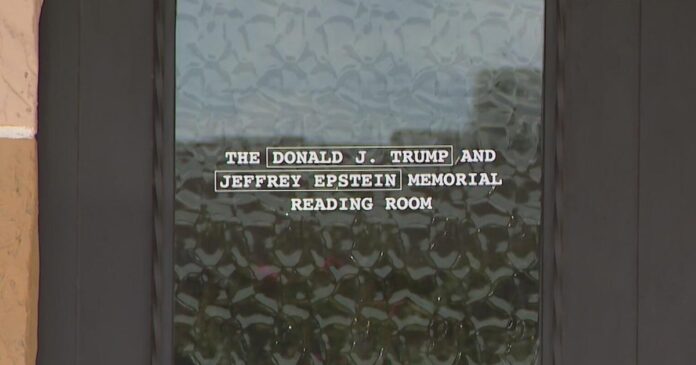

In a significant legal setback tied to the widening Epstein Files controversy, a US federal judge has dismissed Trump’s $10 billion defamation lawsuit against The Wall Street Journal and media executive Rupert Murdoch, ruling that the former president failed to meet the high legal threshold required to sustain the case.
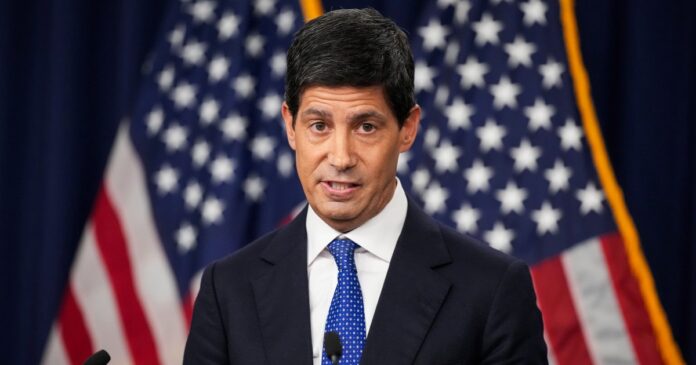
The decision, delivered by US District Judge Darrin Gayles in Miami, underscores the difficulty public figures face when attempting to challenge media reporting in court. It also reinforces the legal protections afforded to news organizations covering sensitive and politically charged investigations.
The lawsuit centered on a report describing a controversial birthday letter allegedly linked to Trump that appeared in a collection of materials compiled for financier Jeffrey Epstein. Trump denied authoring the letter and argued the report was fabricated and defamatory.
A High Legal Threshold
Under US law, public figures must prove that a publication knowingly printed false information or acted with reckless disregard for the truth. Judge Gayles concluded that Trump failed to meet the high legal bar required to establish such a claim.
The court emphasized that the reporting met established journalistic standards. The Wall Street Journal sought comment from Trump, contacted law enforcement, and published his denial. These steps, the judge noted, contradict any claim of actual malice.

Epstein Files Continue to Cast a Long Shadow
The dispute is deeply intertwined with the broader Epstein Files, a growing body of documents that continues to implicate powerful individuals and fuel political fallout across the US.
Trump’s name has appeared multiple times in these materials, intensifying scrutiny over Trump’s ties to Epstein. He has repeatedly denied wrongdoing and dismissed allegations as politically motivated.

Pattern of Legal Confrontation With Media
The dismissed case forms part of a broader pattern of legal confrontation with media, with Trump repeatedly targeting major outlets over unfavorable coverage.
Legal experts note that such cases rarely succeed due to the stringent “actual malice” standard established in US constitutional law. Courts have consistently upheld this threshold to protect press freedom, even in politically sensitive cases.
Judge Gayles’ ruling reinforces that precedent, signaling that reporting tied to the Epstein Files remains legally protected when supported by verification and due diligence.
What Comes Next
The case was dismissed without prejudice, allowing Trump to refile an amended complaint. The court has set a deadline of April 27 for any revised filing.
Trump’s legal team has indicated plans to continue the fight, suggesting that the legal battle surrounding the Epstein Files is far from over.
A Broader Reckoning Still Unfolding
The Epstein Files continue to drive political tension, media scrutiny, and public distrust. Document releases, often partial and contested, have left major questions unresolved while intensifying demands for transparency.
This ruling does not close that chapter. It reinforces a different reality: in the US legal system, allegations alone are insufficient without clear evidence of malicious intent.
As further disclosures emerge and legal battles escalate, the Epstein Files remain a defining test of power, accountability, and the limits of both media and law in exposing elite networks.