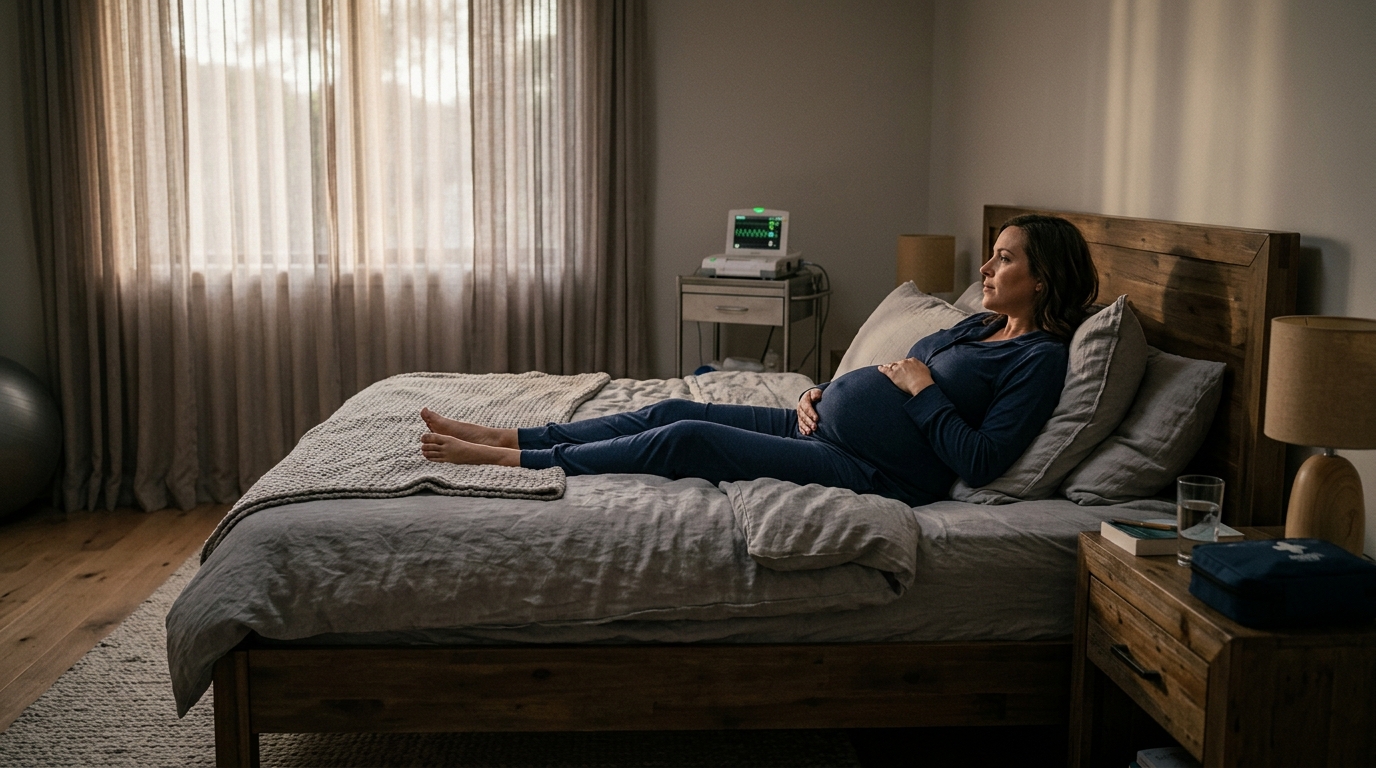
The growing debate over childbirth autonomy has taken a sharper turn with the rise of “free birth,” a practice that rejects medical oversight entirely and places mothers and newborns in environments stripped of clinical safeguards. Once confined to niche online forums, the movement is now drawing wider scrutiny as medical professionals warn of preventable tragedies unfolding behind closed doors.
At its core, the discussion is not about where women give birth, but about how much risk they are willing to assume in exchange for control. The medical establishment has long distinguished between structured home deliveries and unassisted births. Even within that distinction, however, the margin for safety narrows quickly when trained professionals are removed from the equation.
Medical authorities consistently emphasize that home birth vs hospital settings is not a matter of preference alone but of preparedness. Hospitals remain equipped to respond instantly to obstetric emergencies such as hemorrhage, fetal distress, or obstructed labor. Home settings, even when planned, rely heavily on the presence of skilled attendants and rapid escalation protocols.

The free birth model eliminates those safeguards entirely.
Clinicians argue that the absence of trained oversight is not a symbolic omission but a structural risk. According to guidance on lack of medical supervision, even low-risk pregnancies can shift into high-risk scenarios within minutes. Postpartum hemorrhage, for instance, can escalate rapidly, leaving little time for intervention outside a clinical environment.
What makes the current trend particularly complex is not only its medical implications but its cultural framing. Advocates often describe free birth as a reclaiming of bodily autonomy, a rejection of institutional control, and a return to instinct-driven labor. These narratives are gaining traction in digital spaces where personal testimony frequently outweighs clinical evidence.
However, the clinical record remains consistent and uncompromising. The risks associated with unassisted childbirth include significantly higher rates of neonatal complications, delayed emergency response, and in extreme cases, preventable mortality. Medical professionals stress that childbirth, while natural, is also inherently unpredictable and can deteriorate without warning.
This unpredictability is central to the concern raised by obstetric specialists. Labor is not a linear process. Conditions such as oxygen deprivation, placental complications, or hypertensive crises can emerge suddenly, requiring immediate clinical response. Without it, outcomes depend heavily on chance rather than care.
The appeal of free birth, however, cannot be dismissed as purely ideological. Many participants cite prior experiences of perceived coercion in medical settings, emotional distress during hospital births, or distrust in institutional healthcare systems. These concerns have been amplified by online communities that frame unassisted birth as both empowering and restorative.
A detailed analysis of the free birth movement highlights how social media has accelerated its visibility. Influencers and advocacy groups often present curated narratives of calm, controlled home labor experiences while minimizing or omitting accounts of complications. This selective visibility creates a distorted perception of safety, particularly among first-time mothers navigating pregnancy under informational overload.
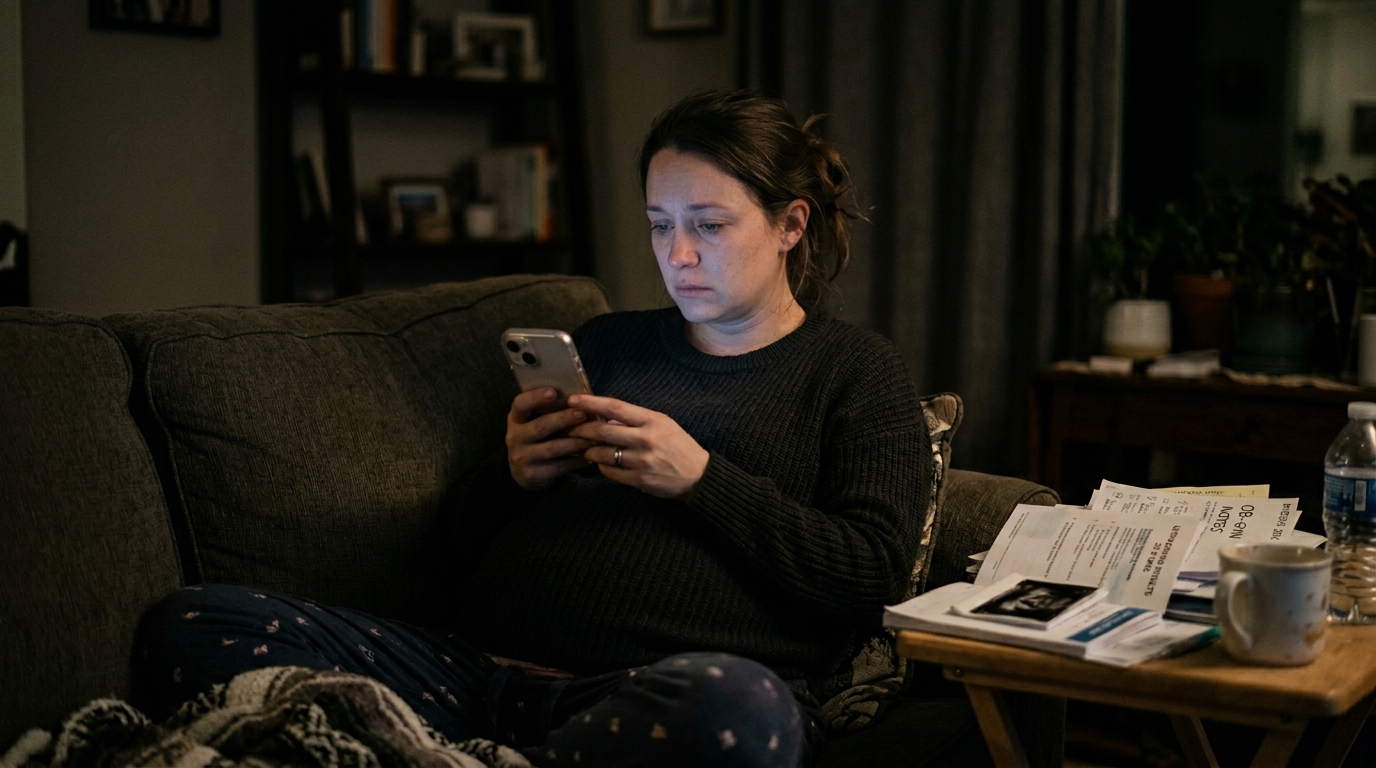
The consequences of this imbalance are becoming increasingly difficult to ignore.
Medical experts caution that childbirth complications can escalate faster than most expect. As documented in reporting on how complications can arise rapidly, emergencies such as postpartum hemorrhage or fetal distress often require intervention within minutes. In hospital environments, that response is immediate. In unassisted settings, it may not arrive in time.
This gap between perception and reality is where the tension lies.
Historically, childbirth without medical intervention was the norm, but it was also one of the leading causes of death for women and infants before modern obstetric care. The introduction of clinical monitoring, surgical intervention, and neonatal support dramatically reduced mortality rates. The current debate, in many ways, revisits a historical baseline that medicine worked for decades to overcome.
What distinguishes the present moment is not a return to tradition, but a reinterpretation of risk through digital culture. Online platforms have become powerful accelerators of health narratives, often elevating emotionally compelling stories over statistically grounded evidence. In this environment, anecdote can acquire the weight of authority.
Public health specialists warn that this dynamic is particularly dangerous in areas where outcomes are time-sensitive and irreversible. Childbirth is one such domain. Decisions made during pregnancy are shaped long before labor begins, but the consequences unfold in real time, often without warning.
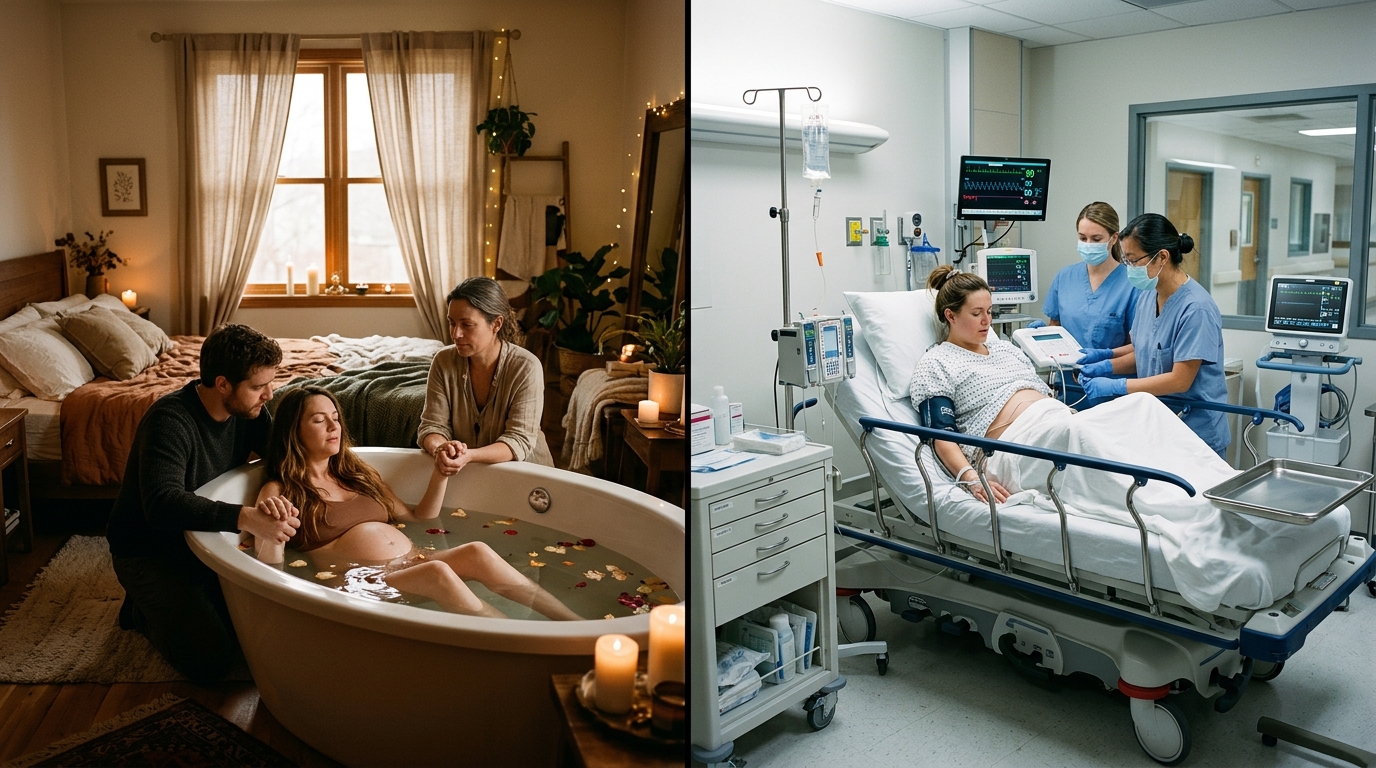
The tension between autonomy and safety is not new, but it has become more visible as trust in institutions fluctuates. What is different now is the speed at which alternative frameworks of care spread, and the difficulty of correcting misinformation once it becomes embedded in personal belief systems.
For clinicians, the concern is not about choice itself, but about informed choice. The line between empowerment and exposure to unnecessary risk depends on access to accurate information and the ability to interpret it without distortion.
As the free birth movement continues to expand its digital footprint, the medical consensus remains unchanged. Childbirth, while a deeply personal experience, is also a medically complex event. Removing structured care does not eliminate risk. It redistributes it, often toward the most vulnerable outcomes.
In that sense, the debate is not simply about where birth happens, but about how modern societies define safety in an era where information is abundant but not always reliable. The stakes, measured in lives rather than ideology, remain unchanged.