The interception of a Gaza-bound humanitarian flotilla in the Mediterranean has triggered a wave of international outrage, not only for the legality of the raid itself, but for what followed behind prison walls. Testimonies emerging from detained activists describe a pattern of human rights violations, brutal prison abuse, and alleged torture, raising urgent questions about the treatment of civilians linked to the Gaza blockade.
The incident began when Israeli forces intercepted the Global Sumud flotilla, a civilian-led mission carrying aid and activists attempting to break the Israeli Brutal long-standing Gaza blockade. The vessels, sailing in international waters near Crete, were boarded by armed forces in what multiple governments and legal experts have since questioned as a violation of international law.
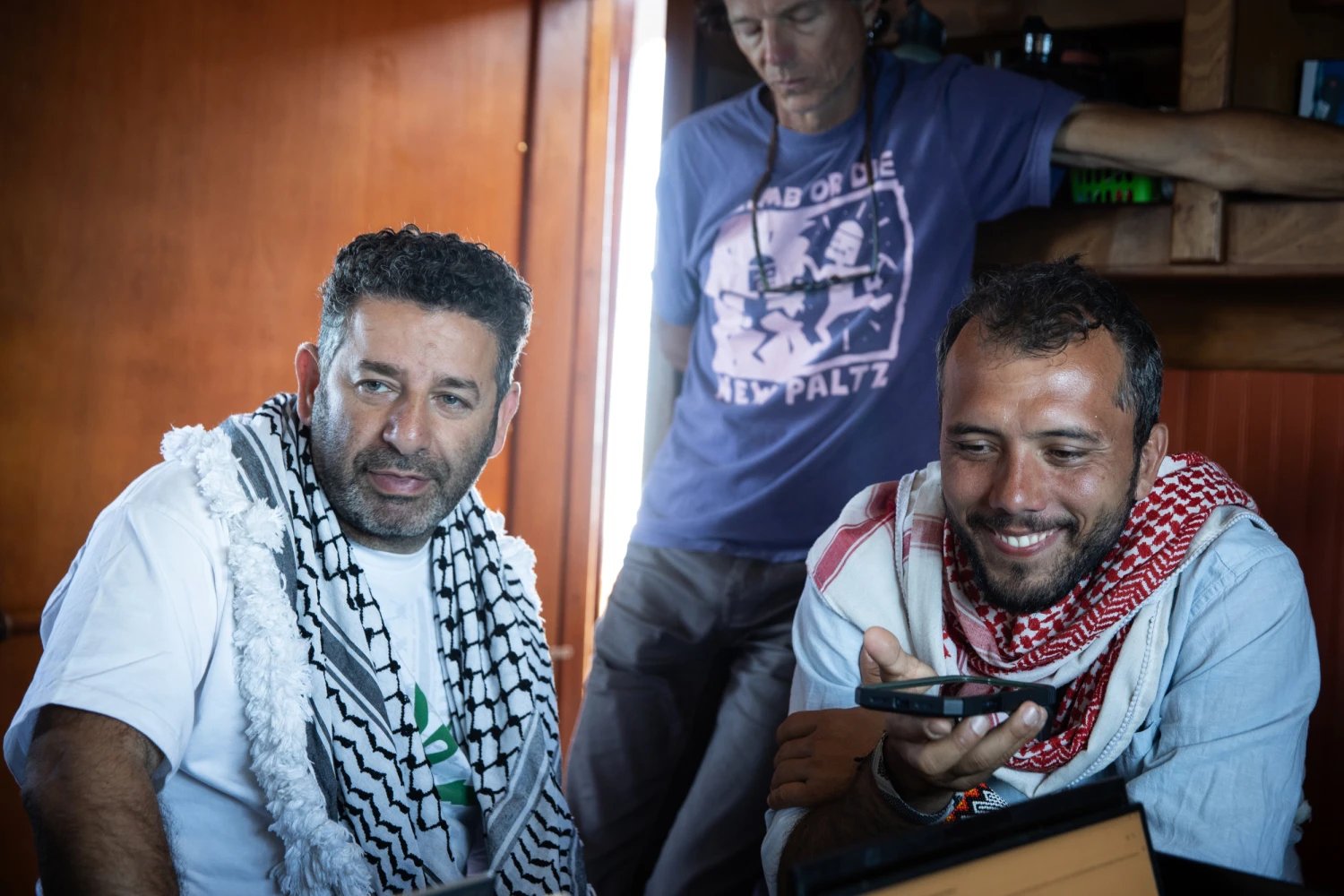
More than 170 activists from dozens of countries were detained during the operation. While most were later transferred to Greece and released, two individuals, Spanish-Palestinian activist Saif Abu Keshek and Brazilian activist Thiago Ávila, were taken into Israeli custody, where they remain detained without formal charges. Their continued imprisonment has intensified scrutiny of detention practices linked to Gaza-related activism.
Allegations of Brutality and Torture
What has transformed the flotilla episode into a global human rights crisis are the detailed and consistent testimonies of abuse inside detention facilities.
Lawyers representing the detainees, alongside Israeli rights group Adalah, reported that both men described severe physical abuse amounting to Brutal torture, including beatings,and exploitation prolonged isolation, and being blindfolded for extended periods.
Accounts from released activists further paint a disturbing picture. Prisoners were handcuffed, blindfolded, and forced into stress positions for hours. Some were dragged across floors, beaten repeatedly, and left unconscious. Detainees reported being denied water, food, and medical care, while others described being held in shipping containers or overcrowded confinement spaces.
These claims are reinforced by eyewitness testimonies indicating that one activist was beaten so severely he lost consciousness multiple times, while another was restrained from the moment of capture until arrival in prison.
Medical Evidence and Injuries
Reports from multiple sources confirm that dozens of activists required medical attention following their detention.
According to flotilla organizers and corroborated by independent reporting, injuries included broken bones, head trauma, and severe bruising. British activists released from custody stated they required hospital treatment after being beaten, while others described being struck by soldiers and subjected to stun grenades during the raid.
Legal and Human Rights Implications
The allegations have triggered serious legal concerns on multiple fronts. The location of the interception, in international waters, raises fundamental questions about jurisdiction. Legal experts argue that detaining civilians outside national waters and transferring them to prison may constitute unlawful detention or even abduction.
Human rights organizations warn that such practices violate international law, including protections against torture and the obligation to treat detainees humanely. The incident has also renewed focus on the broader Gaza flotilla confrontations that have repeatedly drawn criticism from global observers.
Global Reaction and Diplomatic Fallout
The flotilla raid has sparked a widening diplomatic crisis. Governments including Spain and Brazil have described the detention as illegal and unjustified, demanding the immediate release of their citizens.
Activists and rights groups argue that the crackdown reflects a broader pattern tied to the ongoing conflict surrounding Gaza, where humanitarian missions continue to face obstruction and forceful interception.
Background reporting on Gaza-bound aid activists shows that international participation in such missions has steadily grown, intensifying political pressure on blockade enforcement.
Israel’s Response
Israeli authorities have categorically denied allegations of torture, maintaining that the flotilla was a politically motivated operation and that detainees were treated in accordance with the law.
Officials have also accused some activists of links to hostile groups, though no formal charges have yet been filed against those still in custody.
A Pattern Beyond One Incident
For many observers, the flotilla incident is not isolated but part of a broader pattern of detention practices linked to Gaza-related activism. Reports over the years have documented allegations of beatings, isolation, and denial of medical care.
The continuation of such claims suggests a deepening crisis where humanitarian missions, international law, and detention systems collide under growing global scrutiny.
The Gaza flotilla episode now stands as a defining test of accountability. On one side are consistent testimonies describing prison brutality and torture. On the other is a state firmly denying wrongdoing while continuing to hold activists without charge.
As pressure mounts, the question remains whether an independent investigation will take place, or whether the voices emerging from detention will be absorbed into the long and contested history of the Gaza conflict.