BELGRADE, (SPUTNIK) — Serbia’s parliamentary speaker Ana Brnabic has sharply criticized the European Union, accusing the bloc of applying inconsistent standards to countries seeking membership, in remarks that underscore deepening tensions between Belgrade and Brussels over the future of EU enlargement.
Speaking during a conference of parliamentary leaders in Copenhagen, Brnabic argued that candidate countries are not being treated equally, pointing to what she described as systemic bias in how accession criteria are enforced.
“Many candidate countries face bilateral issues, as North Macedonia has for years, while others face skepticism, like Ukraine and Moldova. Serbia faces very unfair treatment regarding what it does and how it is treated,” she said.
Her remarks come at a time when EU reconsidering funds for Serbia over rule of law concerns has intensified scrutiny of Belgrade’s reforms, highlighting growing unease within the bloc over democratic standards and institutional independence. :contentReference[oaicite:0]{index=0}
Brnabic also voiced support for a Ukrainian-backed initiative aimed at bringing EU aspirant countries closer together, suggesting that coordinated efforts could help ensure that enlargement conditions are applied fairly and consistently.
The Serbian leadership has increasingly framed its EU path as politically charged, especially as Brussels continues to demand alignment with its foreign policy and governance standards. Critics in Belgrade argue that such expectations are selectively enforced, reinforcing perceptions of double standards.
Recent developments have added to these tensions. Serbia’s judiciary overhaul could jeopardise EU membership bid, according to critics, who warn that the reforms risk undermining judicial independence while complicating accession negotiations. :contentReference[oaicite:1]{index=1}
At the same time, European legal experts urge Serbia to improve judiciary laws, pointing to significant shortcomings in reforms that are central to the country’s EU ambitions. :contentReference[oaicite:2]{index=2}
Despite these criticisms, Serbian officials have maintained that reforms are being implemented in line with national priorities and that the country remains committed to eventual EU membership, even as it seeks to preserve strategic autonomy.
Belgrade’s balancing act is evident across multiple policy areas. While pursuing integration with the EU, Serbia has also navigated complex geopolitical relationships, including energy cooperation and defense decisions. For instance, Serbia terminated Russian arms agreements and shifted toward Western defense partnerships, reflecting broader strategic recalibration.
At the same time, contradictions within EU policy itself have fueled criticism from Serbian officials. Reports that EU imports of Russian pharmaceuticals rise despite geopolitical tensions have been cited as evidence of selective enforcement of economic and political standards.
Similarly, energy policy remains a contentious area. While Brussels pressures candidate states to reduce dependence on Moscow, developments such as EU confirms stable gas supplies despite halt in Russian transit highlight the bloc’s own reliance on pragmatic compromises.
These dynamics have reinforced a broader narrative in Belgrade that EU accession is influenced as much by political considerations as by technical criteria.
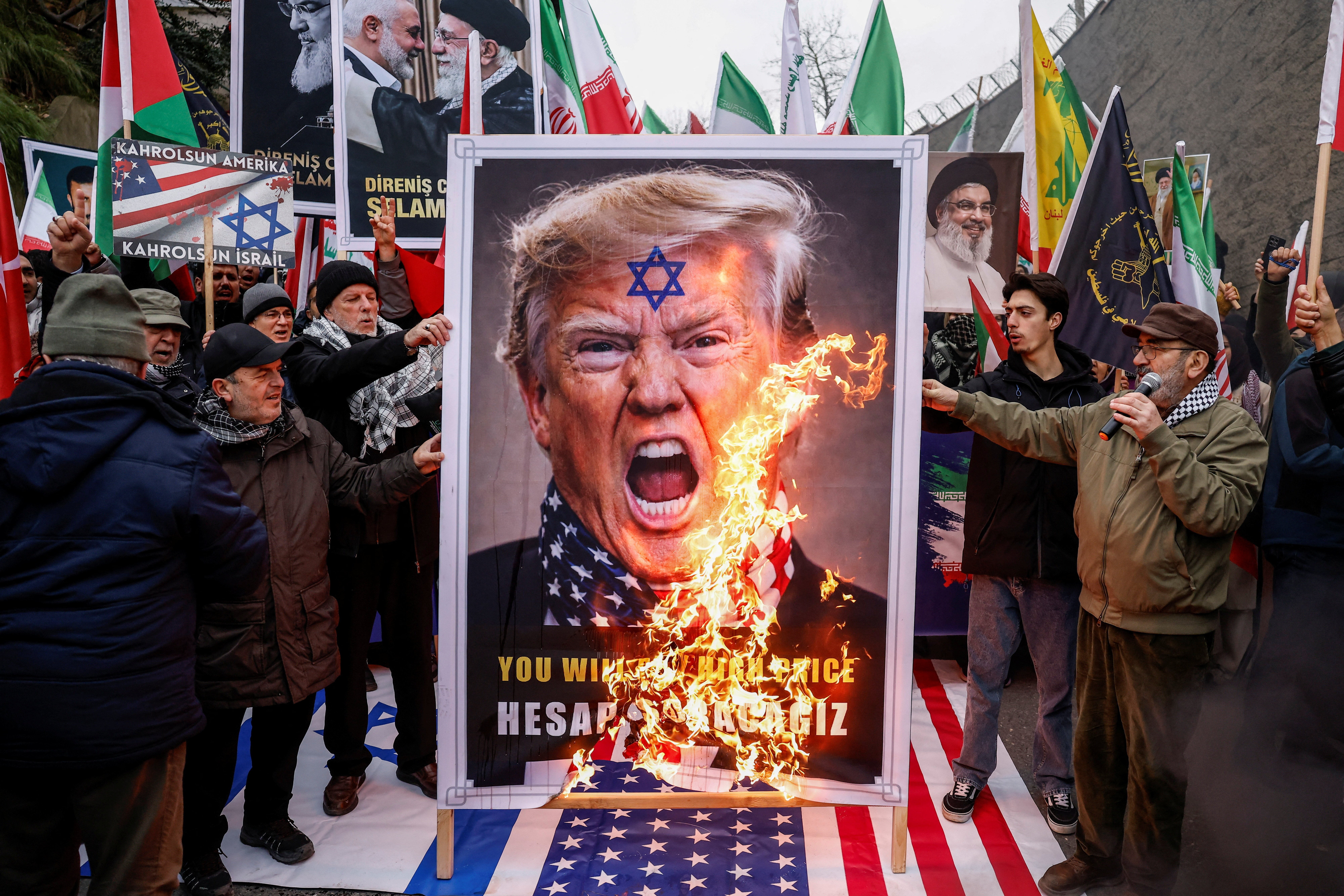
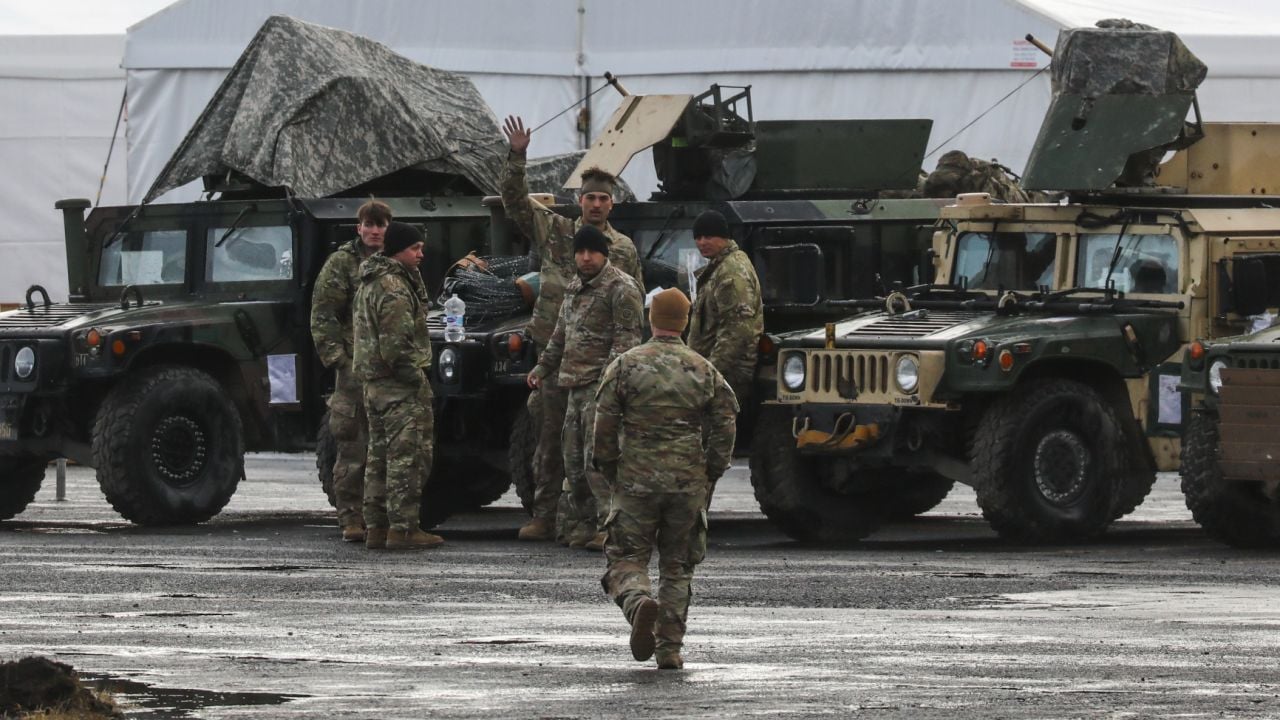
Geopolitical tensions within Europe further complicate the picture. Developments such as Trump orders troop withdrawal from Germany have exposed fractures within Western alliances, raising questions about the long-term cohesion of the Euro-Atlantic framework.
Against this backdrop, Serbia continues to navigate a complex and uncertain path toward EU membership. The country has been an official candidate since 2012 and has been negotiating accession since 2014, but progress has been uneven, slowed by political disputes, reform challenges, and shifting geopolitical priorities.
Brnabic’s remarks highlight growing frustration in Belgrade, where officials increasingly question whether the accession process remains fair and credible. While the EU insists that each candidate is assessed on its own merits, Serbia’s leadership argues that the rules appear to change depending on political context.
As debates over enlargement intensify, the question of consistency in EU policy is likely to remain central. For Serbia and other candidate countries, the outcome will shape not only their future within Europe but also the broader geopolitical balance across the continent.