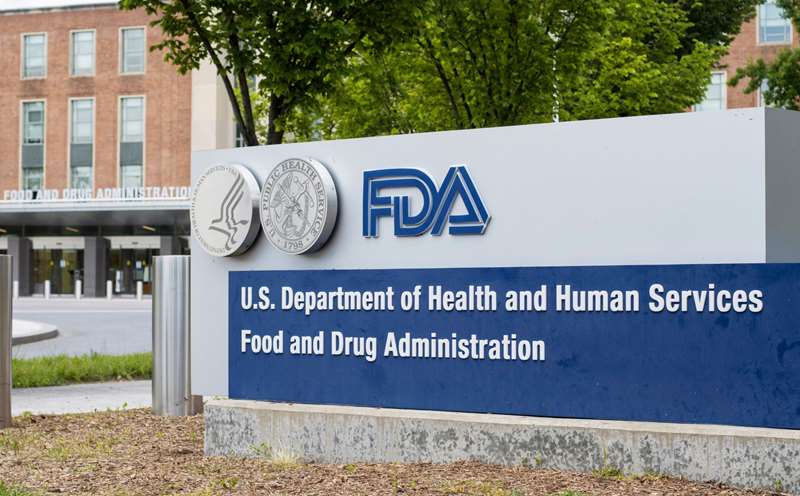
A growing controversy inside the U.S. public health establishment has erupted after reports that the Food and Drug Administration halted publication of multiple taxpayer-funded studies concluding that COVID-19 and shingles vaccines are safe. The decision has triggered an intense debate over scientific independence, regulatory authority, and the boundaries between evidence review and information suppression.
At the center of the dispute are internal FDA decisions to block or withdraw studies that had already undergone advanced statistical analysis and, in some cases, peer review. According to reporting across multiple outlets, the studies drew on millions of patient records and consistently found that serious adverse effects linked to COVID-19 vaccination were extremely rare.
The controversy has rapidly evolved into a broader institutional question: who controls the publication of federally funded science, and under what conditions can government agencies override academic dissemination?

Regulatory Oversight and the FDA’s Expanding Gatekeeping Role
The FDA has defended its actions by arguing that internal scientific standards were not met in the framing of conclusions, even when underlying data passed methodological review. Officials said the agency acted to preserve scientific rigor and prevent misleading interpretations.
To understand the broader regulatory framework, vaccine development and approval in the United States is governed through established mechanisms including FDA vaccine approval and regulatory oversight process.
This system is designed to ensure that vaccines meet safety and efficacy thresholds before and after public deployment.
However, critics argue that the current dispute reflects a shift from oversight to active suppression of scientific communication, particularly when findings intersect with politically sensitive health policy debates.
Studies at the Center of the Dispute
Among the blocked research were large-scale observational studies examining COVID-19 vaccine outcomes among millions of Medicare beneficiaries. One dataset reportedly identified only extremely rare cases of severe allergic reactions, while another analysis found limited instances of myocarditis and other conditions, particularly among younger populations.
A parallel line of research involving the shingles vaccine Shingrix was also halted before presentation at a major safety conference, raising further questions about consistency in publication standards across different vaccine platforms.
The methodological backbone of such research typically aligns with established frameworks for evaluating post-market vaccine safety, including clinical trial standards for vaccine development, which govern how large-scale medical studies are designed and validated.
Transparency Concerns and Institutional Tension

The issue intersects with broader debates around COVID-19 vaccine policy reporting and the governance structures that emerged during the pandemic period, when emergency public health decisions often blurred the lines between science and policy.
Additional context emerges from longstanding discussions on public health surveillance systems. The Centers for Disease Control and Prevention maintains extensive monitoring networks to evaluate vaccine safety in real time. These systems are widely referenced in discussions of CDC vaccine safety surveillance infrastructure, which plays a central role in post-approval vaccine monitoring.
Scientific Community Reaction
Epidemiologists and public health experts have expressed concern that administrative suppression of peer-reviewed research could discourage internal scientific inquiry within federal agencies. The fear is not only about individual studies, but about precedent.
Independent scientific analysis often relies on external validation frameworks such as those published in peer-reviewed journals like the New England Journal of Medicine, which define structured approaches to evaluating vaccine outcomes and risk-benefit profiles.
The broader ethical dimension of this debate is captured in discussions of ethical frameworks in vaccine safety monitoring, which emphasize transparency, accountability, and public trust as core pillars of medical governance.
Political Undercurrents and Public Trust

These dynamics are closely tied to evolving debates overn CDC vaccine effectiveness and how federal agencies communicate risk assessments to the public.
Experts warn that suppression of studies demonstrating vaccine safety may paradoxically deepen public skepticism, rather than reinforce trust. Transparency, they argue, is a prerequisite for credibility in high-stakes public health environments.
Ethics, Governance, and Scientific Integrity
At the heart of the controversy lies a fundamental question about scientific governance: should regulatory agencies act solely as reviewers of methodological quality, or also as arbiters of how findings are interpreted and disseminated?
This debate extends into broader concerns over US health policy transparency debates, where the balance between public accountability and institutional control remains contested.
Academic discourse on scientific integrity underscores that interference in publication pathways can weaken the perceived neutrality of public health institutions, particularly during periods of crisis response.
The National Academies of Sciences has long emphasized that scientific integrity in public health research is essential to maintaining public trust, especially when research findings carry direct implications for population-level health decisions.
Broader Implications
The implications of the FDA’s actions extend beyond vaccine policy. They touch on the structural relationship between government agencies and scientific institutions in the United States.
As debates continue, analysts suggest that the issue reflects a deeper transformation in how scientific authority is exercised in the post-pandemic era, often described as pandemic-era vaccine governance, where public health, politics, and institutional credibility are increasingly intertwined.
The central tension remains unresolved: whether safeguarding scientific standards justifies limiting publication, or whether such restrictions undermine the very transparency those standards are meant to protect.