LIV Golf arrived in Virginia hoping to generate momentum for its 2026 season. Instead, the Saudi backed league now finds itself at the center of one of the most dramatic weeks professional golf has seen this year.
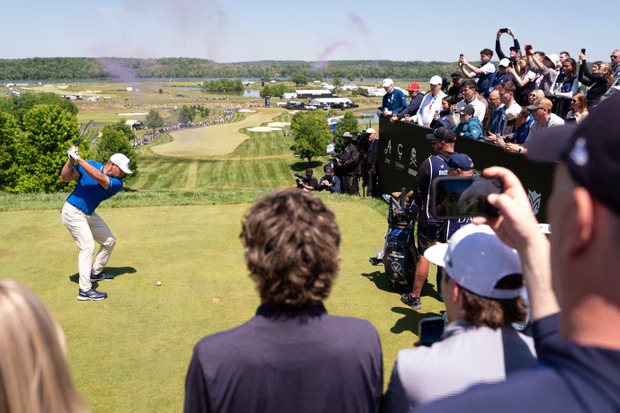
The tournament at Trump National Golf Club near Washington, D.C. has evolved into far more than another stop on the LIV calendar. Between Anthony Kim’s stunning resurgence, a direct path into the U.S. Open at Shinnecock Hills, and fresh questions surrounding the long term future of the league itself, LIV Golf Virginia suddenly carries enormous weight for players, executives, and fans alike.
For LIV Golf, this was supposed to be a showcase event. It marked the league’s first tournament on American soil during the 2026 campaign and arrived at a critical point in the season, with the individual standings beginning to tighten. But the headlines surrounding the event quickly shifted from entertainment and team golf to survival, legitimacy, and opportunity.
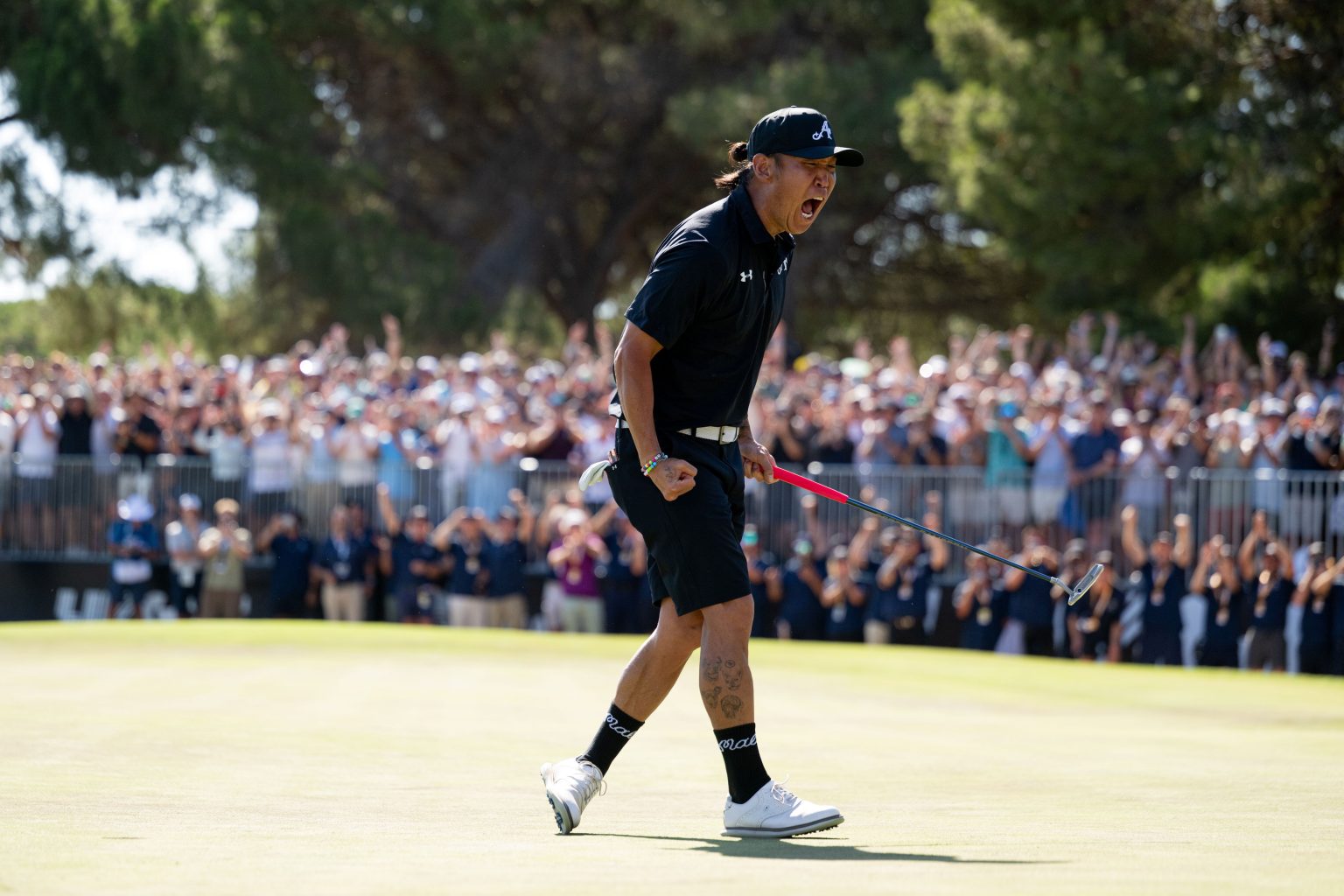
Much of that attention centers on Anthony Kim.
When LIV Golf signed him in 2024, reactions across golf were mixed. Some viewed the move as a publicity stunt designed to create headlines for a league desperate for relevance. Others believed Kim still possessed enough raw talent to compete against elite players if he regained confidence and health.
This season, Kim has silenced much of the skepticism.
His remarkable victory at LIV Golf Adelaide earlier this year marked his first professional win since 2010 and immediately transformed him from curiosity into contender.
Now Virginia presents another potentially career changing opportunity.
LIV Golf confirmed that the top player in the season standings not already exempt into the U.S. Open after this week will secure a direct spot at Shinnecock Hills. That decision has dramatically increased the intensity surrounding the tournament, particularly for players like Kim, David Puig, Josele Ballester, and Lucas Herbert who remain in the qualification battle.
For years, LIV Golf players faced uncertainty regarding qualification pathways into major championships because of world ranking complications and fractured relationships between tours. The U.S. Open exemption offers LIV competitors something the league desperately needed: meaningful stakes connected to golf’s biggest events.
That is precisely why Virginia feels different.

Herbert admitted he only briefly thought about the exemption implications during the round, but the stakes are impossible to ignore now. Every leaderboard movement this weekend could impact who earns one of the most valuable opportunities in professional golf.
The league’s biggest stars are also under pressure.
Jon Rahm entered Virginia as the LIV Golf points leader after a dominant start to the season that included victories in Hong Kong and Mexico. Bryson DeChambeau continues to serve as one of the league’s biggest draws thanks to both his performances and growing online popularity.
Yet even those storylines have been overshadowed by mounting uncertainty around LIV Golf’s future.
Reports this week revealed that Saudi Arabia’s Public Investment Fund plans to stop directly funding LIV Golf after the 2026 season, forcing league executives to aggressively explore new investment models and long-term financial restructuring.
That development has intensified scrutiny around the league’s sustainability.
While LIV executives continue to publicly express confidence, critics argue the circuit still struggles to establish deep fan loyalty in the United States despite massive spending and high profile signings. Attendance at Virginia has remained respectable, but debates over television ratings, sponsorship stability, and long term viability continue to follow the tour everywhere it goes.
The setting only adds to the attention.
Trump National Golf Club has become one of the most politically scrutinized venues in modern golf because of its association with former President Donald Trump and the Saudi backed league. Every LIV event held there attracts heightened media attention beyond sports alone.
Meanwhile, another major storyline emerged before the opening round when Phil Mickelson withdrew from both LIV Golf Virginia and next week’s PGA Championship because of a family health matter. The absence of one of the league’s most recognizable names removed another veteran voice from a week already filled with uncertainty.
Still, LIV Golf executives may quietly welcome the fact that actual competition has reclaimed the spotlight.
For perhaps the first time this season, conversations surrounding LIV Golf are centered less on lawsuits, television deals, or politics and more on golf itself. Anthony Kim’s improbable comeback, the battle for a U.S. Open place, and a packed leaderboard have created the kind of genuine sporting drama the league has chased since its formation.
Whether that momentum lasts beyond Virginia remains unclear.
But if Kim continues his remarkable revival and one of LIV Golf’s emerging contenders punches a ticket to Shinnecock Hills, this tournament could become one of the defining moments of the league’s turbulent history.