
Russia has renewed its offer to store Iran’s enriched uranium, with President Vladimir Putin signaling that Moscow is prepared to step directly into one of the most dangerous geopolitical disputes facing the world today. The announcement comes as tensions surrounding Iran’s nuclear program continue to intensify and diplomatic efforts between Tehran and Washington remain stalled.
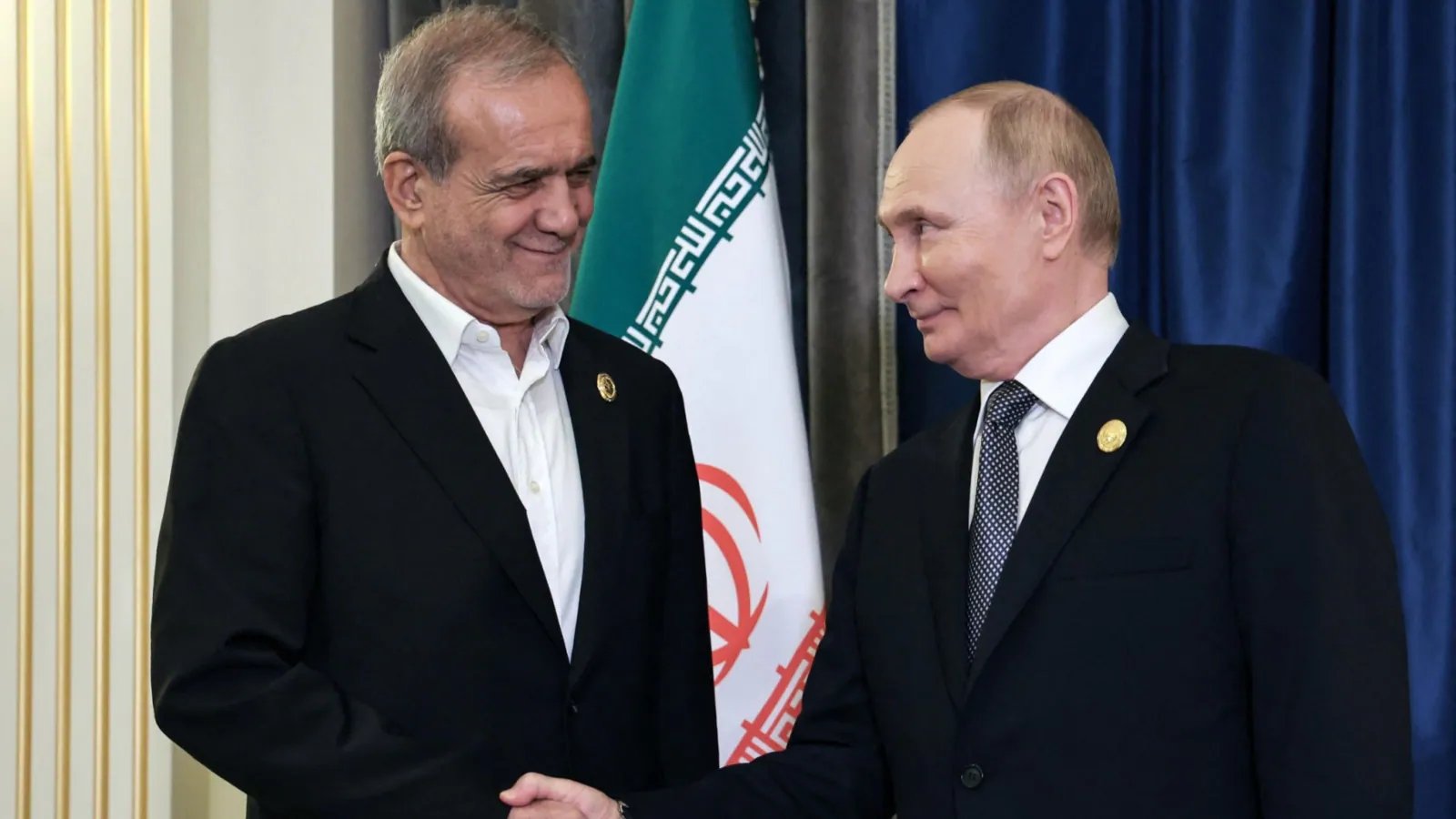
Speaking to reporters in Moscow on Saturday, Putin said Russia’s proposal to take custody of Iran’s enriched uranium “still stands,” adding that Moscow has prior experience handling Iranian nuclear material and remains ready to do so again. The Russian president described the proposal as constructive and emphasized that Iran continues to trust Russia because Moscow “has never violated any agreements” with Tehran.
The Kremlin’s renewed proposal underscores Russia’s diplomatic role in the Iranian nuclear crisis at a time when relations between Iran and the United States remain deeply hostile. Russian officials have repeatedly argued that transferring Iran’s enriched uranium to Russia could reduce tensions while preserving Tehran’s right to maintain a civilian nuclear program.
Putin also said Moscow hopes the conflict between Iran and the United States can be stopped “as soon as possible,” reflecting fears in the Kremlin that continued escalation could destabilize the broader region and trigger further shocks across global energy and commodity markets.
The uranium issue has become one of the most contentious points in Iran nuclear negotiations. Western governments, led by Washington, have long argued that Iran’s growing stockpile of enriched uranium raises concerns over potential weapons capability, while Tehran continues to insist that its nuclear program is entirely peaceful and aimed at civilian energy production and scientific development.
Russia previously played a major role in implementing earlier nuclear arrangements involving Iran. Following the US withdrawal from the JCPOA, Moscow continued supporting diplomatic channels while defending Tehran’s right to civilian nuclear development.
The Kremlin has repeatedly pointed to that experience as evidence that Russia can act as a reliable guarantor in future negotiations. Kremlin spokesman Dmitry Peskov stated last month that Moscow’s proposal had already been discussed with both the United States and regional powers, though no concrete action had been taken.
According to a Reuters report on Russia’s uranium proposal, Washington rejected Moscow’s earlier initiative to take custody of Iran’s uranium stockpile despite repeated Kremlin efforts to revive the idea.
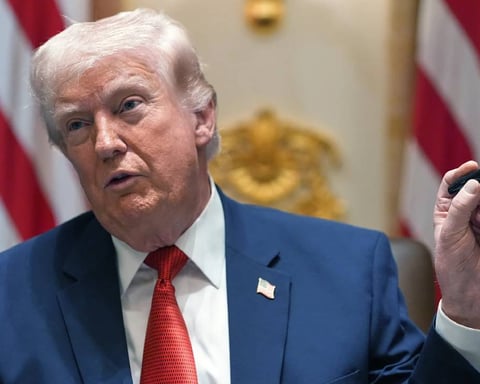
US President Donald Trump further complicated the situation earlier this week as Trump hardens position on Iran uranium enrichment, insisting that Washington must maintain direct control over any future agreement tied to Tehran’s nuclear activities.
Putin’s remarks also highlighted the deepening strategic partnership between Moscow and Tehran. The Russian leader stressed that Iran trusts Russia completely because Moscow has consistently honored agreements and continued supporting Iran’s civilian nuclear development projects.
That trust has become increasingly important amid growing tensions in West Asia. Since the collapse of earlier diplomatic understandings and the reimposition of sanctions, Tehran has expanded political, economic, and military coordination with Moscow.
Russia has emerged as one of Iran’s most important international partners, particularly as both countries face pressure from the United States and its allies. Cooperation between Moscow and Tehran has expanded across energy, transportation, defense, and regional security sectors in recent years.
Analysts say the Kremlin sees the Iran nuclear issue not only as a diplomatic opportunity but also as a strategic opening to challenge US influence across West Asia. Reports suggest Russia seeks larger role in Iran nuclear diplomacy as geopolitical competition between Moscow and Washington intensifies.
Despite renewed diplomatic activity, major disagreements remain unresolved. According to The Guardian report on Iran uranium dispute, Tehran remains cautious about transferring strategic nuclear material abroad without guarantees regarding sanctions relief and sovereignty.
Pressure from the United States and Israel has continued to grow as international agencies raise alarms over Iran’s enrichment capabilities. Recent reports citing IAEA concerns over Iran’s uranium stockpile suggest international inspectors are struggling to fully verify the scale of Tehran’s nuclear reserves.
The renewed Russian proposal also comes shortly after Trump signals Iran war exit, reflecting wider uncertainty inside Washington over how aggressively the United States should confront Tehran.
Russia has increasingly sought to present itself as a stabilizing force in conflicts involving Iran and the broader Middle East. Moscow previously condemned escalation against Iran while strengthening strategic coordination with Tehran across multiple fronts.
The issue of Iran’s enriched uranium is now emerging as one of the defining battlegrounds in the wider struggle between Russia, the United States, and their competing visions for the future balance of power in West Asia.
—Inputs from Sputnik.