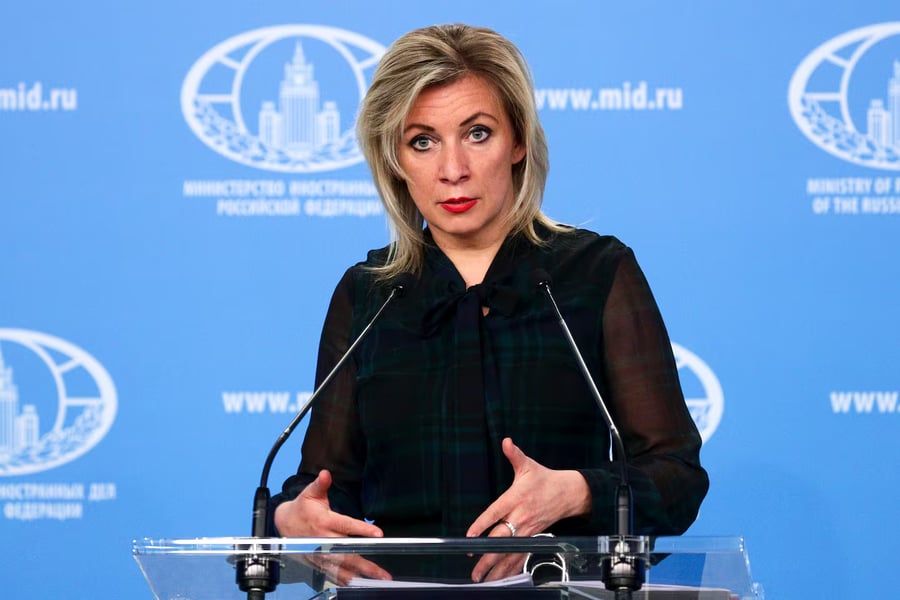

MOSCOW — The United States’ unilateral withdrawal from the Joint Comprehensive Plan of Action (JCPOA) delivered a devastating blow to the foundations of stability and security in the Middle East, Russian Foreign Ministry spokeswoman Maria Zakharova said.
Zakharova argued that Washington’s decision to abandon the nuclear agreement with Iran undermined years of diplomatic negotiations and destabilized a security framework that had been endorsed by the United Nations Security Council.
“Let me remind you that the change in leadership in the White House led to the US not even withdrawing from that so-called deal, because there was a withdrawal procedure spelled out there. They simply said they were no longer participating in it, without invoking the formal withdrawal procedure that had been written and approved by the UN Security Council. In other words, it was a devastating blow to the foundations of stability and security in the region.” — Zakharova said.
Her remarks revive long-standing criticism from Moscow over the collapse of the nuclear agreement, which had been negotiated in 2015 between Iran and the P5+1 group of world powers, Russia, China, the United States, France, the United Kingdom and Germany.
The agreement imposed strict restrictions on Tehran’s nuclear program in exchange for the lifting of international sanctions. It also introduced a comprehensive monitoring regime overseen by the International Atomic Energy Agency (IAEA), designed to ensure transparency in Iran’s nuclear activities.
However, the deal’s stability was shaken when the United States withdrew from the Joint Comprehensive Plan of Action in 2018, arguing that the agreement failed to curb Iran’s regional influence and missile program. The decision triggered a wave of diplomatic tensions and prompted Washington to reimpose sweeping economic sanctions on Tehran, according to Reuters.
The sanctions were part of what the Trump administration described as a strategy of “maximum pressure” intended to force Iran into negotiating a broader agreement covering its nuclear activities, ballistic missiles and regional policies. The policy, however, drew sharp criticism from Russia and China, which argued that unilateral sanctions would only increase instability.
According to analysts, the reintroduction of sanctions and the collapse of the deal marked a turning point in Middle Eastern geopolitics. In the years that followed, tensions between Iran and the United States intensified while diplomatic efforts to revive the agreement stalled repeatedly.
Several regional actors also responded strongly to Washington’s decision. Gulf allies of the United States publicly supported the move, with Riyadh and other capitals praising what they viewed as a tougher stance toward Tehran.
At the same time, European governments attempted to preserve the nuclear agreement despite the American exit. France, Germany and the United Kingdom sought mechanisms to allow limited trade with Iran in order to keep the framework alive, but these efforts failed to compensate for the economic impact of renewed US sanctions.
The collapse of the deal also fueled new disputes surrounding nuclear monitoring and verification. Concerns about IAEA inspections and monitoring of Iran’s nuclear program became increasingly prominent as diplomatic tensions escalated.
In response to the renewed sanctions pressure, Iran gradually reduced its compliance with several commitments under the agreement, including limits on uranium enrichment and research activities. Tehran insisted that its steps were reversible and intended to pressure the remaining parties to fulfill their obligations.
The situation further deteriorated as disputes emerged over the future of international monitoring mechanisms and the presence of inspectors in Iranian nuclear facilities.
International debates intensified over the limited presence of International Atomic Energy Agency inspectors in Iran, which diplomats argued was essential to maintaining transparency in the nuclear program.
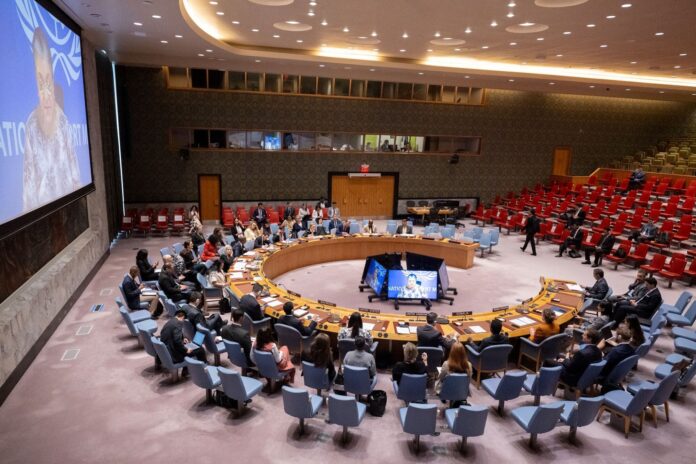
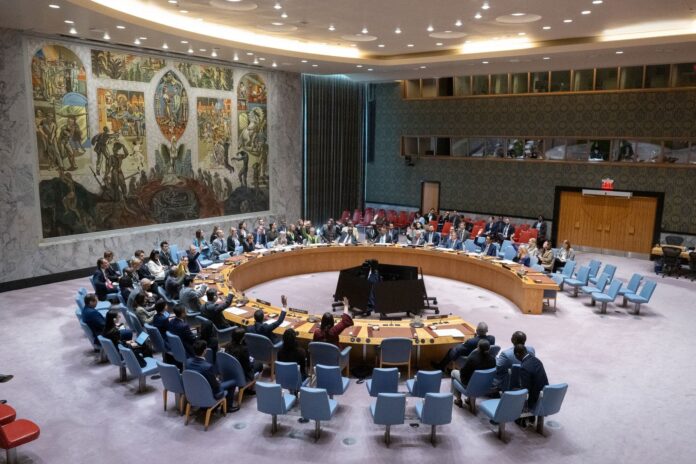
Meanwhile, the broader legal framework of the nuclear deal also became a point of contention. The JCPOA had been incorporated into international law through United Nations Security Council Resolution 2231, which established the legal structure for lifting sanctions and outlined procedures for their potential reimposition.
Disagreements surrounding the snapback sanctions mechanism under UN Security Council Resolution 2231 became one of the central diplomatic flashpoints between Western powers and other members of the Security Council.
Iranian officials repeatedly argued that attempts to restore sanctions through the mechanism were politically motivated and lacked legal legitimacy.
Tehran also insisted that Iran says revived UN sanctions are illegitimate, accusing Western countries of violating the original spirit of the nuclear agreement.
In response to escalating diplomatic pressure, Iran took additional steps that underscored the seriousness of the dispute, including decisions such as when Iran recalls envoys after UN sanctions dispute, a move that signaled growing tensions between Tehran and several European capitals.
At the same time, Moscow emphasized the importance of maintaining dialogue and preserving the diplomatic mechanisms established under the original agreement.
Russia has also expanded its cooperation with Tehran in the civilian nuclear sector. Discussions about Russia-Iran nuclear cooperation and Bushehr reactor expansion illustrate the evolving strategic relationship between the two countries in the energy and technology sectors.
These developments have reinforced Russia’s broader argument that the JCPOA remains the most viable framework for addressing concerns about Iran’s nuclear program.
Analysts say the breakdown of the agreement also sparked debates about the credibility of international institutions responsible for monitoring nuclear compliance.
The controversy surrounding IAEA leadership and nuclear oversight has further complicated discussions about the future of nuclear diplomacy in the region.
Meanwhile, Iranian authorities have undertaken internal policy changes aimed at reshaping their engagement with international institutions. Recent developments surrounding Iran restructuring cooperation with the IAEA highlight the ongoing adjustments within Tehran’s nuclear policy.
Despite these tensions, diplomatic channels have never fully closed. Negotiations involving Iran and major world powers have continued intermittently, with mediators attempting to revive some form of nuclear agreement.
However, experts warn that rebuilding trust among the parties may prove difficult after years of escalating sanctions, geopolitical rivalries and regional conflicts.
For Moscow, the lesson of the JCPOA’s collapse remains clear. International agreements designed to prevent nuclear proliferation require sustained commitment from all participants.
Zakharova’s statement reflects the Kremlin’s position that unilateral decisions by major powers can destabilize carefully constructed diplomatic frameworks.
“The US withdrawal from the nuclear deal,” Russian officials have repeatedly argued, “undermined the very foundations of regional stability.”
As geopolitical tensions continue to reshape the Middle East, the legacy of the JCPOA, and the debate over the consequences of its collapse, remains central to global discussions about nuclear diplomacy, sanctions policy and international security.