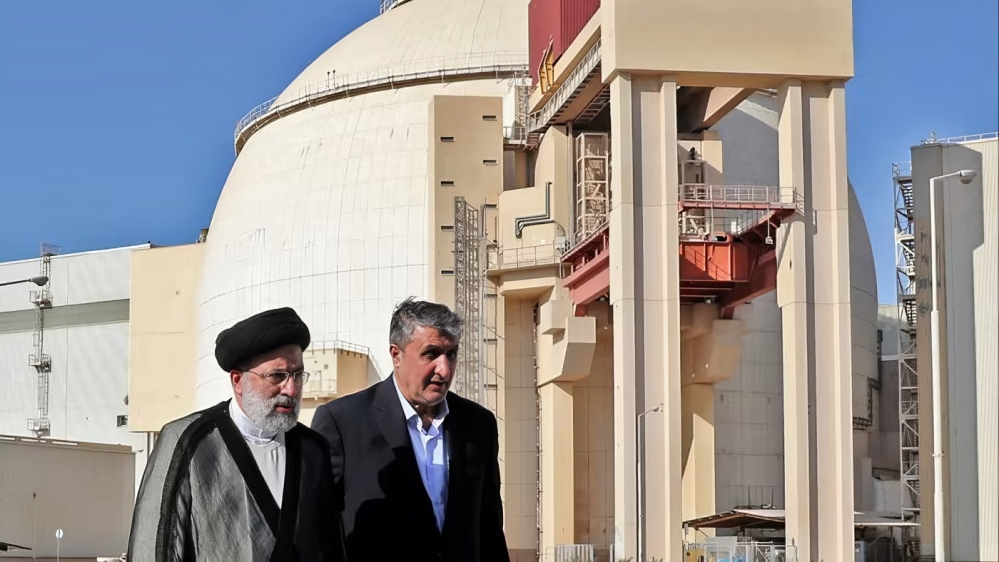

Tehran — The United Nations nuclear watchdog International Atomic Energy Agency (IAEA) has resumed a restricted presence in Iran after months of absence, though no breakthrough has been reached on restoring full inspection rights.
Inspectors from the International Atomic Energy Agency (IAEA) were permitted to return to the Bushehr nuclear plant, Iran’s only civilian nuclear power station, to oversee a fuel swap. The arrangement, approved by Iran’s Supreme National Security Council, falls short of the broader access demanded by Western powers. Parliamentary law continues to restrict the IAEA from entering other sensitive sites without formal authorization.
European diplomats, frustrated with the stalemate, are preparing to activate the so-called “snapback” mechanism at the United Nations. This process would reinstate sanctions lifted under the 2015 nuclear deal, unless Iran agrees to resume full cooperation before an October deadline. Britain, France, and Germany argue that Tehran’s refusal to provide clarity on uranium stockpiles and enrichment activities leaves them no choice but to escalate.
Inside Iran, the decision to allow even limited inspections sparked political backlash. Several lawmakers described the move as a betrayal of sovereignty, accusing the government of bowing to foreign pressure. Iran’s Foreign Minister Abbas Araghchi defended the decision, insisting the IAEA presence is confined strictly to Bushehr and fully consistent with national law.
The return of inspectors comes amid a broader climate of tension. Israel’s airstrikes on Iran’s nuclear infrastructure earlier this summer prompted Tehran to suspend cooperation with the IAEA altogether. In response, Iran accelerated its uranium enrichment program, producing material at levels close to weapons-grade while insisting its activities remain peaceful.
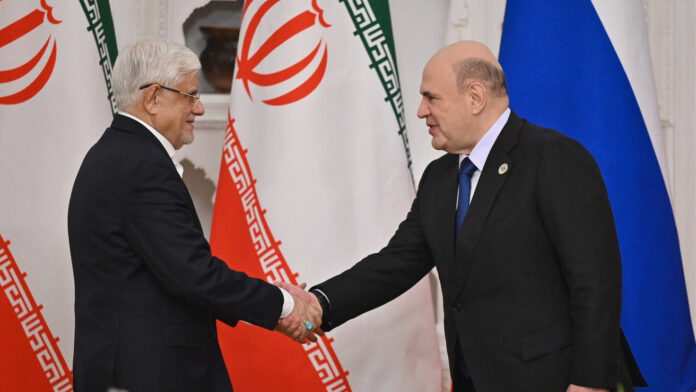
Russia has attempted to broker a compromise, proposing a six-month delay on sanctions in exchange for renewed dialogue. Yet Western officials remain skeptical, arguing that Iran’s nuclear progress has already crossed red lines.
The political standoff underscores how fragile the nuclear deal framework has become. Nearly a decade after its signing, the agreement is now burdened by mistrust, regional conflict, and Western double standards. For Tehran, limited access for inspectors represents a careful defense of national sovereignty against foreign intrusion. For Europe, the threat of sanctions reflects its alignment with Washington’s coercive policy, even as Iran insists its nuclear program remains peaceful.
According to Reuters, the IAEA’s inspectors have returned to Iran under sharply constrained terms, limited to supervising activities at the Bushehr nuclear plant, while broader access remains blocked by parliamentary law. European governments, meanwhile, are preparing to escalate pressure through the UN with the threat of snapback sanctions, a move critics say reflects Washington’s coercive policy rather than genuine diplomacy, unless Iran alters its course in the coming weeks.